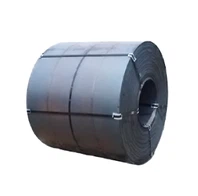
As a supplier of wear steel plates, I've witnessed firsthand the widespread use and demand for these robust materials across various industries. Wearable steel plates, such as NM400 Abrasion Plate, NM500 Wear Steel Plate, and NM360 Abrasion Resistant Plate, are known for their durability and resistance to wear and tear. However, it's crucial to understand the environmental implications associated with their production, use, and disposal.
Production Phase
Energy Consumption
The production of wearable steel plates is an energy - intensive process. Steelmaking typically involves mining iron ore, which requires large amounts of energy for extraction, transportation, and processing. Once the iron ore is obtained, it is converted into steel through a series of steps, including smelting in blast furnaces. These furnaces operate at extremely high temperatures, consuming vast quantities of fossil fuels such as coal and natural gas.
According to a report by the World Steel Association, the steel industry accounts for approximately 7 - 9% of global direct emissions of carbon dioxide. The energy - hungry nature of steel production means that significant greenhouse gas emissions are released into the atmosphere during the manufacturing of wearable steel plates. This contributes to global warming and climate change, which have far - reaching environmental consequences, including rising sea levels, more frequent extreme weather events, and disruptions to ecosystems.
Water Usage
Steel production also consumes large volumes of water. Water is used in various stages of the manufacturing process, such as cooling the equipment and removing impurities from the steel. In some regions, this high water demand can put pressure on local water resources, leading to water scarcity issues. Additionally, the water used in steel production often becomes contaminated with heavy metals, chemicals, and other pollutants. If not properly treated, this contaminated water can be discharged into rivers, lakes, and oceans, causing water pollution and harming aquatic life.
Mining Impacts
The extraction of iron ore, a primary raw material for steel production, has significant environmental impacts on the mining sites. Mining operations can lead to deforestation, habitat destruction, and soil erosion. The removal of large amounts of earth and rock to access the ore disrupts the natural landscape and can displace wildlife. Moreover, the tailings, which are the waste materials left after the ore has been processed, often contain toxic substances such as heavy metals. These tailings can contaminate the surrounding soil and groundwater, posing risks to human health and the environment.
Use Phase
Extended Lifespan and Reduced Replacement
One of the positive environmental aspects of using wearable steel plates is their extended lifespan. Due to their high wear resistance, these plates can last much longer than other materials in applications where they are subject to abrasion, impact, and corrosion. For example, in the construction industry, wearable steel plates can be used in conveyor belts, hoppers, and chutes. Their long - lasting nature means that they do not need to be replaced as frequently as less durable materials.
This reduced need for replacement translates into less raw material extraction, energy consumption, and waste generation over time. By using wearable steel plates, industries can effectively reduce their overall environmental footprint during the use phase. For instance, a mining company that uses NM500 Wear Steel Plate in its ore - handling equipment will require fewer plate replacements, thus saving on the energy and resources needed for manufacturing new plates.
Energy Efficiency in Some Applications
In certain applications, wearable steel plates can contribute to energy efficiency. For example, in the automotive industry, the use of high - strength, wear - resistant steel plates can reduce the weight of vehicles. Lighter vehicles require less energy to operate, which in turn reduces fuel consumption and greenhouse gas emissions. Similarly, in the manufacturing of industrial machinery, the use of wear - resistant steel can improve the efficiency of the equipment by reducing friction and wear, leading to lower energy requirements.
Disposal Phase
Recycling Potential
One of the significant advantages of steel is its high recyclability. Wearable steel plates can be recycled at the end of their useful life. Recycling steel requires significantly less energy compared to producing new steel from raw materials. According to the American Iron and Steel Institute, recycling steel saves approximately 75% of the energy needed to produce steel from iron ore.
When steel plates are recycled, they are melted down and re - used to manufacture new steel products. This not only conserves natural resources but also reduces the environmental impacts associated with steel production. Recycling also helps to reduce the amount of waste sent to landfills, which is beneficial for the environment as landfills can be a source of pollution, including the release of methane, a potent greenhouse gas.
Challenges in Recycling
However, there are also challenges in recycling wearable steel plates. Some plates may be coated with special materials or have complex alloy compositions to enhance their wear - resistant properties. These coatings and alloys can make the recycling process more difficult and costly. In some cases, the recycling facilities may not have the necessary technology to separate and process these complex materials effectively. As a result, some wearable steel plates may end up in landfills instead of being recycled, which negates the potential environmental benefits of recycling.
Mitigating the Environmental Impacts
Technological Innovations
The steel industry is constantly exploring new technologies to reduce its environmental impacts. For example, the development of electric arc furnaces is a significant step forward. These furnaces use electricity to melt scrap steel, which is a more energy - efficient and environmentally friendly alternative to traditional blast furnaces. Additionally, new processes are being developed to reduce the carbon footprint of steel production, such as the use of hydrogen as a reducing agent instead of coal in the smelting process.
Sustainable Sourcing
As a wear steel plate supplier, we are committed to promoting sustainable sourcing of raw materials. This involves working with mining companies that adhere to strict environmental and social standards. By sourcing iron ore from responsible mines, we can help to minimize the negative impacts of mining on the environment and local communities. We also encourage our customers to consider the environmental performance of the steel plates they purchase and to choose products that are manufactured using more sustainable methods.
End - of - Life Management
To address the challenges in recycling wearable steel plates, we are collaborating with recycling facilities to develop better recycling technologies. We are also educating our customers about the importance of proper end - of - life management of the steel plates. By providing information on how to recycle the plates and ensuring that they are sent to appropriate recycling facilities, we can increase the recycling rate of our products and reduce the environmental impact of their disposal.
Conclusion
The use of wearable steel plates has both positive and negative environmental impacts. While the production phase is associated with significant energy consumption, water usage, and greenhouse gas emissions, the extended lifespan and recyclability of these plates offer some environmental benefits during the use and disposal phases. As a wear steel plate supplier, we recognize the importance of minimizing the environmental impacts of our products.


We are committed to working towards a more sustainable future by promoting technological innovations, sustainable sourcing, and proper end - of - life management. By choosing our high - quality wearable steel plates, such as NM400 Abrasion Plate, NM500 Wear Steel Plate, and NM360 Abrasion Resistant Plate, you can not only benefit from their excellent performance but also contribute to a more environmentally friendly world.
If you are interested in purchasing our wear steel plates or have any questions about their environmental performance, we invite you to contact us for a detailed discussion and to explore how we can meet your specific needs.
References
- World Steel Association. (Year). "Steel and Climate Change."
- American Iron and Steel Institute. (Year). "The Benefits of Recycling Steel."
- Report on the Environmental Impacts of the Steel Industry. (Year). [Publisher]