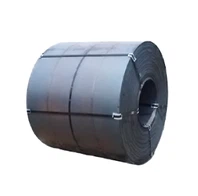
As a heavy plate supplier, I've witnessed firsthand how the chemical composition of heavy plates significantly impacts their performance. Heavy plates are used in a wide range of industries, from construction and shipbuilding to energy and machinery. Understanding the relationship between chemical composition and performance is crucial for ensuring that the right plate is selected for each application.
The Basics of Chemical Composition in Heavy Plates
Heavy plates are primarily made of iron, but they also contain various alloying elements that are carefully added to enhance specific properties. These elements can be divided into two main categories: major alloying elements and trace elements.
Major Alloying Elements
- Carbon (C): Carbon is one of the most important elements in steel. It increases the strength and hardness of the plate but can also reduce its ductility and weldability. Higher carbon content generally results in a stronger but more brittle material. For example, in some high - strength heavy plates, a relatively higher carbon percentage is used to achieve the desired strength for applications where heavy loads are expected.
- Manganese (Mn): Manganese improves the strength and toughness of the steel. It also helps to deoxidize the steel during the manufacturing process and reduces the brittleness caused by sulfur. Manganese is often added in significant amounts to enhance the overall mechanical properties of the heavy plate.
- Silicon (Si): Silicon is used as a deoxidizer and also contributes to the strength and hardness of the steel. It can improve the plate's resistance to oxidation and corrosion, especially in high - temperature environments.
Trace Elements
- Sulfur (S) and Phosphorus (P): These are typically considered impurities in steel. High levels of sulfur can cause hot brittleness, while phosphorus can increase cold brittleness. However, in some cases, controlled amounts of these elements can be used to improve machinability.
- Chromium (Cr), Nickel (Ni), and Molybdenum (Mo): These elements are often added in small amounts to improve corrosion resistance, hardenability, and high - temperature strength. For example, in heavy plates used in the oil and gas industry, chromium and nickel are added to enhance the plate's resistance to corrosive environments.
Impact of Chemical Composition on Mechanical Properties
Strength
The strength of a heavy plate is one of its most critical properties. The chemical composition plays a vital role in determining the plate's yield strength and tensile strength. As mentioned earlier, carbon and manganese are the primary elements that contribute to strength. For instance, A572GR55 Heavy Plate has a specific chemical composition that is designed to achieve a high yield strength, making it suitable for structural applications where high - strength is required.
Toughness
Toughness is the ability of a material to absorb energy and deform plastically before fracturing. Alloying elements such as manganese, nickel, and molybdenum can improve the toughness of the heavy plate. A plate with good toughness is less likely to fail suddenly under impact or dynamic loading. For example, in shipbuilding, heavy plates with high toughness are essential to withstand the harsh marine environment and potential impacts.
Ductility
Ductility is the ability of a material to undergo plastic deformation without fracturing. Carbon content has a significant impact on ductility. Higher carbon levels generally result in lower ductility. When selecting a heavy plate for applications that require extensive forming or bending, a plate with a lower carbon content and appropriate alloying elements is preferred.
Impact of Chemical Composition on Weldability
Weldability is another crucial factor in heavy plate applications. The chemical composition of the plate can greatly affect its ability to be welded without defects. Elements such as carbon, sulfur, and phosphorus can reduce weldability. High carbon content can lead to the formation of hard and brittle heat - affected zones during welding, increasing the risk of cracking.
On the other hand, elements like silicon and manganese can improve weldability by promoting better fusion and reducing the formation of porosity. For example, S355JO is designed with a chemical composition that provides good weldability, making it a popular choice for welded structures.
Impact of Chemical Composition on Corrosion Resistance
Corrosion resistance is of utmost importance, especially in applications where the heavy plate is exposed to harsh environments. Alloying elements such as chromium, nickel, and copper can significantly improve the plate's resistance to corrosion.


For example, in coastal construction or offshore platforms, heavy plates with a higher content of chromium and nickel are used to prevent rusting and degradation. A573GR58 Carbon Steel Plate A283GRC has a chemical composition that provides a certain level of corrosion resistance, making it suitable for a variety of applications where mild corrosion protection is required.
Selecting the Right Heavy Plate Based on Chemical Composition
As a heavy plate supplier, I often work with customers to select the right plate for their specific applications. The first step is to understand the requirements of the project, including the mechanical properties, weldability, and corrosion resistance needed.
Based on these requirements, we can recommend a plate with the appropriate chemical composition. For example, if a customer needs a heavy plate for a high - strength structural application, we might recommend a plate with a higher carbon and manganese content, such as A572GR55. If the application requires good weldability and corrosion resistance, S355JO could be a suitable choice.
Conclusion
In conclusion, the chemical composition of heavy plates has a profound impact on their performance. It affects the mechanical properties, weldability, and corrosion resistance of the plate. As a heavy plate supplier, I am committed to providing our customers with high - quality plates that meet their specific needs. By understanding the relationship between chemical composition and performance, we can help our customers make informed decisions and select the right plate for their applications.
If you are in the market for heavy plates and need assistance in selecting the right product based on your requirements, please feel free to contact us. We are here to provide you with professional advice and high - quality heavy plates.
References
- ASM Handbook Committee. (2004). ASM Handbook Volume 1: Properties and Selection: Irons, Steels, and High - Performance Alloys. ASM International.
- Degarmo, E. P., Black, J. T., & Kohser, R. A. (2003). Materials and Processes in Manufacturing. Wiley.
- Totten, G. E., & MacKenzie, D. S. (2003). Handbook of Aluminum. CRC Press.