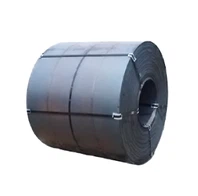
As a heavy plate supplier, we often encounter the issue of waste heavy plates. These waste plates not only take up valuable storage space but also represent a loss of resources if not properly managed. In this blog, I will share some effective ways to deal with waste heavy plates based on my experience in the industry.
Recycling and Reusing
One of the most environmentally - friendly and cost - effective ways to deal with waste heavy plates is through recycling and reusing. Recycling heavy plates involves melting them down and turning them into new steel products. This process significantly reduces the need for virgin materials, conserving natural resources and energy.


When it comes to reusing, waste heavy plates can be cut, shaped, and repurposed for various applications. For example, they can be used in the construction of small - scale structures, such as storage racks or partitions in industrial warehouses. If the waste plates are of high - quality materials like A573GR70, they can even be refurbished and sold as second - hand products, which can be a great option for customers with budget constraints.
Selling to Scrap Yards
Another common approach is to sell waste heavy plates to scrap yards. Scrap yards are specialized in purchasing and processing various types of scrap metal, including heavy plates. They have the necessary equipment and expertise to handle large - scale metal recycling.
Before selling to a scrap yard, it's important to do some research. Different scrap yards may offer different prices depending on factors such as the current market price of steel, the quality and quantity of the waste plates, and their location. You should get quotes from multiple scrap yards to ensure you get the best deal. Additionally, make sure the scrap yard you choose has a good reputation and complies with all relevant environmental and safety regulations.
Donating for Educational or Community Projects
If the waste heavy plates are still in relatively good condition, donating them for educational or community projects can be a noble option. Schools, vocational training centers, or community - based construction projects may be in need of heavy plates for hands - on learning or building community facilities.
For example, a vocational school's metalworking program could use the plates for students to practice cutting, welding, and shaping techniques. A community center might use them in the construction of a new storage shed or a playground structure. By donating, you not only contribute to the development of the community but also avoid the cost and hassle of disposing of the waste plates.
Upcycling into Artistic or Decorative Items
In recent years, upcycling has become a popular trend. Waste heavy plates can be transformed into unique artistic or decorative items. Artists and craftsmen can use their creativity to turn these plates into sculptures, wall art, or even furniture pieces.
This approach not only gives a new life to the waste plates but also adds an aesthetic value. For instance, a large, flat heavy plate can be engraved with a beautiful design and hung on a wall as a piece of industrial - style art. Some companies may also be interested in purchasing these upcycled items for office decoration, which can open up a new market for your waste heavy plates.
Working with Other Industries
Collaborating with other industries that can make use of waste heavy plates is also a viable strategy. For example, the automotive industry may need heavy plates for testing purposes, such as creating crash barriers or test fixtures. The mining industry could use them in the construction of underground support structures.
By establishing partnerships with these industries, you can find new markets for your waste heavy plates. You can reach out to relevant companies, introduce your waste plate inventory, and discuss potential cooperation opportunities. This way, you can not only solve the waste problem but also potentially generate additional revenue.
Assessing the Quality and Quantity of Waste Heavy Plates
Before deciding on the best way to deal with waste heavy plates, it's crucial to assess their quality and quantity accurately. The quality of the plates will determine their suitability for different disposal methods. High - quality plates with minimal damage or corrosion are more likely to be reused, upcycled, or sold as second - hand products.
The quantity of the waste plates also matters. If you have a large quantity of waste plates, selling to a scrap yard or recycling on a large - scale might be the most efficient option. On the other hand, if you have a small number of plates, donating or upcycling them could be more practical.
Cost - Benefit Analysis
When choosing a method to deal with waste heavy plates, a cost - benefit analysis is essential. Consider the costs associated with each option, including transportation costs, processing costs (if any), and potential losses if selling at a low price. At the same time, evaluate the benefits, such as revenue from selling, savings from recycling, or the positive impact of donation on your company's image.
For example, if the cost of transporting the waste plates to a distant scrap yard is too high, it may be more cost - effective to upcycle them on - site or donate them locally. By carefully weighing the costs and benefits, you can make an informed decision that maximizes your company's interests.
Marketing the Waste Heavy Plates
If you plan to sell the waste heavy plates, either as second - hand products or to scrap yards, effective marketing is crucial. Create a detailed inventory list of your waste plates, including information such as their size, thickness, material type (e.g., P460QL2 Vessel Plate A516GR70 or S355J2), and condition.
Use online platforms, industry forums, and social media to promote your waste plate inventory. You can also attend industry trade shows or networking events to connect with potential buyers. By increasing the visibility of your waste plates, you increase the chances of finding the right customers and getting a good price.
Conclusion
Dealing with waste heavy plates requires a comprehensive approach. Recycling, selling to scrap yards, donating, upcycling, and collaborating with other industries are all viable options. Each method has its own advantages and considerations, and the best choice depends on factors such as the quality and quantity of the waste plates, market conditions, and your company's goals.
As a heavy plate supplier, it's important to manage waste effectively not only to reduce costs and save resources but also to enhance your company's environmental and social responsibility. If you are interested in purchasing high - quality heavy plates or have any questions about waste plate management, please feel free to contact us for further discussion and negotiation. We are always ready to provide you with the best solutions and products.
References
- Steel Recycling Institute. (Year). Best Practices in Steel Plate Recycling.
- Metal Recycling Association. (Year). Guidelines for Selling Scrap Metal.
- Community Development Journal. (Year). The Role of Donated Materials in Community Projects.