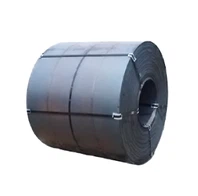
As a seasoned supplier of Plate A516 Gr 70, I am often bombarded with questions regarding the most suitable cutting methods for this particular steel grade. Plate A516 Gr 70 is a widely used material in various industries, especially in pressure vessels and boilers, due to its excellent notch toughness and high strength at moderate temperatures. Selecting the right cutting method is crucial as it can significantly impact the quality, efficiency, and cost of your project. In this blog, I will delve into the different cutting methods that are well - suited for Plate A516 Gr 70.
1. Oxy - Fuel Cutting
Oxy - fuel cutting, also known as flame cutting, is one of the oldest and most commonly used cutting methods for steel. It works by heating the steel to its kindling temperature with an oxygen - fuel gas flame and then blowing high - pressure oxygen through the heated area. This causes the iron in the steel to react with the oxygen and burn away, creating a cut.
Advantages
- Cost - effective: Oxy - fuel cutting equipment is relatively inexpensive compared to some other methods, and the consumables are readily available, making it a cost - efficient option for large - scale cutting operations.
- Suitable for thick plates: It can effectively cut Plate A516 Gr 70 plates with thicknesses ranging from a few millimeters up to several hundred millimeters. For thicker plates, oxy - fuel cutting is often the preferred method as it can achieve deep cuts without much difficulty.
- Good edge quality: With proper settings and operator skill, oxy - fuel cutting can produce a clean cut with relatively smooth edges, which is sometimes sufficient for many applications without the need for additional finishing.
Disadvantages
- Limited cutting speed: The cutting speed of oxy - fuel cutting is relatively slow compared to some other methods, especially for thinner plates. This can reduce productivity in projects where time is of the essence.
- Heat - affected zone (HAZ): The process generates a significant amount of heat, which creates a relatively large heat - affected zone in the Plate A516 Gr 70. This can lead to changes in the material's mechanical properties, such as increased hardness and decreased ductility, in the HAZ.
2. Plasma Cutting
Plasma cutting is a process that uses a high - velocity jet of ionized gas (plasma) to melt and blow away the metal being cut. The plasma is created by passing an electric arc through a gas, which ionizes it and gives it the ability to conduct electricity.


Advantages
- High cutting speed: Plasma cutting can cut Plate A516 Gr 70 much faster than oxy - fuel cutting, especially for thinner plates. This increased speed can lead to significant time savings in production, making it a more efficient option for high - volume projects.
- Versatility: It can cut a wide range of plate thicknesses, from very thin sheets to moderately thick plates. Plasma cutting can also handle non - ferrous metals in addition to steel, providing more flexibility in a manufacturing environment.
- Small heat - affected zone: Compared to oxy - fuel cutting, plasma cutting produces a smaller heat - affected zone. This means that the mechanical properties of the Plate A516 Gr 70 are less likely to be significantly altered, resulting in a more consistent and reliable final product.
Disadvantages
- Higher equipment cost: The initial investment for plasma cutting equipment is generally higher than that of oxy - fuel cutting equipment. Additionally, the consumables for plasma cutting, such as electrodes and nozzles, can be relatively expensive.
- Edge quality: While plasma cutting can produce a clean cut, the edge quality may not be as good as that of oxy - fuel cutting in some cases. There may be some beveling or dross on the edges, which may require additional finishing operations.
3. Laser Cutting
Laser cutting is a non - contact cutting method that uses a high - power laser beam to melt, burn, or vaporize the material being cut. The laser beam is focused on the surface of the Plate A516 Gr 70, and as it moves along the cutting path, it creates a narrow and precise cut.
Advantages
- High precision: Laser cutting offers extremely high precision, with very narrow kerf widths and tight tolerances. This makes it ideal for applications that require intricate shapes or high - quality cuts, such as in the manufacturing of pressure vessel components.
- Minimal heat - affected zone: The laser beam delivers a concentrated amount of energy, resulting in a very small heat - affected zone. This helps to preserve the mechanical properties of the Plate A516 Gr 70 and reduces the need for post - cutting heat treatment.
- Automation potential: Laser cutting machines can be easily integrated into automated production lines, allowing for high - volume and consistent cutting operations with minimal human intervention.
Disadvantages
- High cost: Laser cutting equipment is very expensive, both in terms of the initial purchase price and the operating costs. The energy consumption of laser cutting machines is relatively high, and the maintenance of the laser system can be complex and costly.
- Limited thickness capacity: Laser cutting is more suitable for thinner to moderately thick plates. As the plate thickness of Plate A516 Gr 70 increases, the cutting speed decreases significantly, and the quality of the cut may also deteriorate.
4. Waterjet Cutting
Waterjet cutting uses a high - pressure stream of water, often mixed with an abrasive material, to cut through the Plate A516 Gr 70. The waterjet is created by forcing water through a small orifice at extremely high pressure, which generates a powerful cutting force.
Advantages
- Cold cutting process: Since waterjet cutting does not generate heat, there is no heat - affected zone in the Plate A516 Gr 70. This means that the material's mechanical properties remain unchanged, and there is no risk of thermal distortion or hardening.
- Versatility: Waterjet cutting can cut a wide range of materials, including metals, plastics, composites, and ceramics. It can also handle plates of varying thicknesses, making it a versatile option for different applications.
- Good edge quality: The cutting process produces a smooth and burr - free edge, which often eliminates the need for additional finishing operations.
Disadvantages
- Slow cutting speed: Waterjet cutting is generally slower than plasma and laser cutting, especially for thicker plates. This can lead to longer production times and higher costs for large - scale projects.
- High running cost: The cost of the water, abrasive material, and electricity required for waterjet cutting can be relatively high. Additionally, the orifice and other components of the waterjet system need to be replaced regularly, adding to the operating costs.
When choosing the cutting method for Plate A516 Gr 70, you need to consider several factors, such as the thickness of the plate, the required cutting speed, the desired edge quality, and the overall budget of your project. If you are looking for a cost - effective solution for thick plates and don't mind a relatively large heat - affected zone, oxy - fuel cutting may be the right choice. For high - speed cutting and good edge quality, plasma cutting is a strong option. Laser cutting is ideal for precision cutting and minimal heat - affected zones but comes at a high cost. Waterjet cutting is suitable for applications where a cold cutting process is required.
As a reliable supplier of Plate A516 Gr 70, we can also provide some guidance on the most appropriate cutting methods for your specific needs. We also supply other related products such as SM520C, P460QL2 Vessel Plate A516GR70, and High Strength Plate. If you are interested in purchasing Plate A516 Gr 70 or have any questions about the cutting methods, please feel free to contact us to start a procurement discussion.
References
- "Steel Plate Cutting Handbook", Industry Press.
- "Advanced Metal Cutting Technologies", Academic Publishers.