Hey there! As a supplier of pipe line plate X46, I often get asked if this type of plate can be used in low - temperature environments. Well, let's dig into this topic and find out.
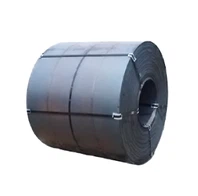
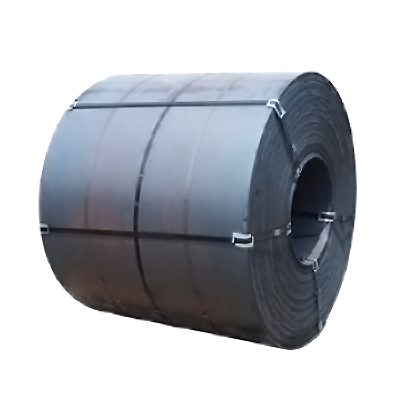
First off, let's understand what pipe line plate X46 is. The X46 is a grade of pipeline steel plate. It's designed to meet certain strength and toughness requirements for use in pipeline construction. These plates are commonly used to make pipes that transport various substances like oil and gas over long distances.
When it comes to low - temperature environments, there are a few key factors we need to consider. One of the most important is the impact toughness of the material. In cold conditions, materials can become brittle, and if the plate doesn't have enough impact toughness, it could crack under stress.
The X46 plate typically has a certain level of impact toughness. But the question is, does it hold up well in the cold? Well, it depends on how cold we're talking about. For moderately low temperatures, say around - 20°C to - 30°C, the X46 plate can often perform quite well. Its chemical composition and manufacturing process are engineered to provide a good balance of strength and toughness within a certain temperature range.
The chemical composition of X46 includes elements like carbon, manganese, and small amounts of other alloying elements. These elements play a crucial role in determining the material's properties. Carbon, for example, can increase the strength of the steel, but too much of it can make the steel more brittle. The alloying elements are carefully selected and controlled to enhance the plate's performance in different conditions.
However, as the temperature drops further, say below - 30°C, the situation gets a bit more complicated. At extremely low temperatures, the X46 plate may start to experience a significant decrease in its impact toughness. This means that it becomes more prone to cracking, especially when subjected to sudden impacts or high - stress situations.
Now, let's compare the X46 with some other grades like LX70 and LX80. These higher - grade pipeline plates are often designed with enhanced properties for more demanding environments, including lower temperatures. The LX70 and LX80 plates typically have a higher level of alloying elements and a more refined microstructure, which gives them better impact toughness at lower temperatures compared to X46.
But that doesn't mean the X46 is completely useless in cold conditions. In many cases, it can still be a cost - effective solution for projects where the temperature doesn't drop to extremely low levels. For example, in some regions where the winter temperatures are moderately cold, using X46 can save on material costs without sacrificing too much in terms of performance.
Another factor to consider is the application of the pipeline. If the pipeline is going to be buried underground, the soil can act as an insulator, which helps to maintain a relatively stable temperature around the pipe. This can reduce the impact of low - temperature exposure on the X46 plate. On the other hand, if the pipeline is exposed to the open air, it will be more directly affected by the cold weather.

When using X46 in low - temperature environments, proper installation and maintenance are also crucial. During installation, care must be taken to avoid any damage to the plate that could weaken its structure. And during maintenance, regular inspections should be carried out to check for any signs of cracking or other damage.
Now, if you're in the market for pipe line plate X46, I'd like to tell you a bit about our LX46 Pipe Line Plate X46. We take pride in offering high - quality X46 plates that are manufactured to strict standards. Our plates are carefully tested to ensure that they meet the required strength and toughness specifications. Whether you're working on a project in a moderately cold environment or just need a reliable and cost - effective pipeline solution, our X46 plates could be the right choice for you.
If you're interested in learning more about our X46 pipe line plates or have any questions regarding their use in low - temperature environments, don't hesitate to reach out. We're here to help you make the best decision for your project. We can provide you with detailed technical information, samples, and even assist you in choosing the most suitable grade of pipeline plate based on your specific requirements.
In conclusion, while the pipe line plate X46 may have its limitations in extremely low - temperature environments, it can still be a viable option for many projects with moderately cold conditions. By understanding its properties, considering the specific application, and taking proper installation and maintenance measures, you can make the most of this cost - effective pipeline material.
References:
- "Handbook of Pipeline Engineering"
- Industry standards for pipeline steel plates