

Products

NM500 Wear Steel Plate
Qinhuangdao Aotong was founded in 2004,it is a geoup management enterprises with the collection of trade ,steel further processing and warehousing logistics .The three major business sector include the Aotong metal center and the Aotong logistics center .The factory covers an area of 202000 square meters.The company has established Chenggang Wuyang and other major steel mills and traders across the country.The main products include medium and heavy steel plates,hot rolled coils, cold rolled pickled plates ,profiles building materials,etc.,with annual sales of more than 300 thousand tons.In addition to serving many domestic end-users and large and medium-sized projects,the products are exported to Europe,South America and Southeast Asia.
Why Choose Us
Factory strength
Wuhan building material lndustry design & research institute co., ltd., subordinated to cnbm was established in 1965. Lt is the leading company in fiber cement board / calcium silicate board machinery industry, and has sold more than 200 lines all over the world.
Rich experience
Wuhan institute has been deeply engaged in the calcium silicate board / fiber cement board industry for more than 40 years, so far, it has cooperated with many large group companies such as shera, saint-gobain, ask, conch cement, etc., and has cooperated in more than 200 production lines in the world.
Professional team
400 employees, including 16 professor-level senior engineers, 70 senior engineers, 90 engineers with medium-grade professional title or above, and 310 technical staff with other majors.
Quality control
The company also has modern laboratories to help the customers to choose the most suitable rawmaterials and production formula through the testing of raw materials and final products.

NM550 is a high-strength wear-resistant steel plate that offers exceptional resistance to abrasion and impact. It is specifically designed for applications requiring enhanced durability in harsh environments, such as mining, construction, and heavy machinery industries. With its superior hardness and toughness, NM550 provides excellent protection against wear and contributes to extended equipment lifespan.

NM500 Wear Steel Plate is a high-strength, wear-resistant steel plate known for its excellent abrasion resistance and impact toughness.

NM400 Abrasion Plate is a high-strength, wear-resistant steel plate with a hardness of 400 HBW (Brinell Hardness).

NM600 is a highly durable and wear-resistant steel plate known for its exceptional strength and hardness. It is specifically engineered to withstand extreme abrasion and impact, making it suitable for demanding applications in industries such as mining, construction, and material handling. NM600 offers excellent protection against wear and extends the lifespan of equipment, reducing maintenance costs and downtime.
NM360 Abrasion Resistant Plate
NM360 Abrasion Resistant Plate is a high-strength steel plate known for its hardness of 360 HBW (Brinell Hardness).
NM500 Wear Steel Plate is a high-strength, wear-resistant steel plate known for its excellent abrasion resistance and impact toughness.Wear Steel Plate finds applications in mining, construction, and heavy machinery industries. With its hardness, the plate withstands extreme wear and tear, ensuring prolonged durability and reduced maintenance costs.
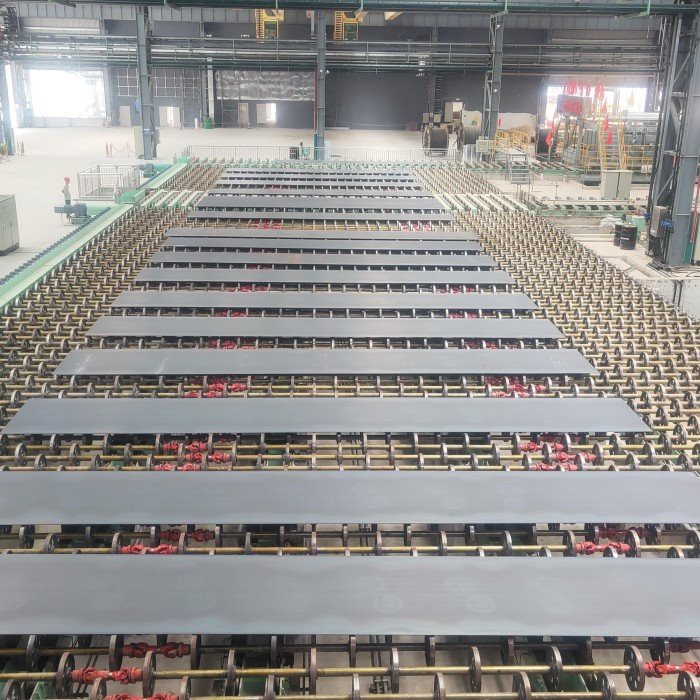
Benefits of NM500 Wear Steel Plate
High Wear Resistance
NM500 Wear Steel Plate, also known as abrasion-resistant plates, offer superior wear resistance due to their chemical composition, which primarily includes carbon, silicon, manganese, phosphorus, sulfur, chromium, nickel, copper, and other elements. Carbon enhances the strength and hardness of the steel plate, significantly improving its wear resistance.
Good Impact Performance
NM500 Wear Steel Plate are suitable for various processes such as cutting, bending, and welding. They can be connected to other structures using welding, plug welding, bolting, and more. Their ease of use and convenience in maintenance operations save time and improve efficiency.
Versatility
NM500 Wear Steel Plate are a versatile material that can be found in various industries including agriculture, mining, and construction. They provide a cost-effective solution for extending the service life of components and reducing maintenance costs.
Enhanced Safety
NM500 Wear Steel Plate effectively reduce equipment failures caused by wear and damage, improving workplace safety.Reducing equipment downtime and maintenance frequency not only lowers operational costs but also improves production efficiency.
What are the Most Common Applications of NM500 Wear Steel Plate in the Mining Industry?
Conveyor systems are one of the most pivotal parts of a mining operation. Since they're designed to move material without the constant oversight of an operator, it's important that conveyors stay online for as long as possible. Abrasion resistant skirt boards and pan liners can help you keep your conveyors up and running with less down time by acting as a sacrificial layer, allowing you a much longer lifecycle for your system.
Breaking down large rock and ore into more manageable sizes is not an easy job, which means that crushers see some of the most intense wear and tear out of all of the equipment at a mine. When implemented correctly, abrasion resistant liners and screens can help extend the amount of time between repairs/maintenance, allowing your operation to stay running longer.
NM500 Wear Steel Plate are also very useful when it comes to earth-moving equipment, like excavators, loaders, and dozers. The constant moving of materials can wear down these pivotal pieces of equipment quickly. Bed liners, bucket liners and dozer blades fabricated from AR steel plates allow you to go longer periods of time without having to swap out buckets, leading to higher efficiency, and an overall safer workplace for your employees.
Hoppers and chutes are a literal bottleneck in your operation, holding large quantities of material. These pieces of equipment can also experience incredible levels of abrasion, with the considerable weight of the material and its abrasive nature. This makes hoppers and chutes both prime targets for abrasive wear. Implementing NM500 Wear Steel Plate in hoppers and chutes can help cut down the frequency of replacing parts, leading to a smoother operation.
Dump trucks and yukes that work within mines are subjected to some of the harshest and most abrasive conditions in the operation. The heavy loads they're required to carry cause a considerable amount of wear and tear to their beds. NM500 Wear Steel Plate can help extend the lifespan of these vehicles and their beds. This not only helps you extend the useful lifespan of your equipment but also helps increase the overall safety and wellbeing of your employees.
Mills are used to grind materials and crush them into smaller pieces so they can be processed. This grinding operation creates a huge amount of abrasion, which wears down the interior surfaces of your mill over time. NM500 Wear Steel Plate are often used to line the interior of mills in order to protect them from the abrasive nature of the materials they process, allowing for longer equipment lifespan.
The Key Characteristics of NM500 Wear Steel Plate
Hardness Grading
While most steels receive a tensile strength rating, abrasion resistant steels are classified using the Brinell hardness test. This test involves pressing a tungsten carbide ball into the surface of a piece of steel and measuring the size of the indentation. The steel is then given a grade, like AR400 or AR500, based on the result of the test. The higher the number, the harder the steel. The weakness with this approach is that it doesn't measure the hardness in the middle of the plate thickness. Higher surface Brinell readings will indicate longer life for traditional AR grades, but greatly under-estimate the additional life of an alloyed, through-hardened steel.
Durability
Alloyed abrasion resistant steel isn't just different from normal steel on a molecular level, it's also different on a practical level. Alloyed steel plates are renowned for their durability, often lasting up to four times longer than a traditional AR steel plate in abrasive conditions. The unique composition and manufacturing process that make an alloyed, abrasion resistant steel gives these plates a considerably longer life, which makes them a great choice for mining, construction, and forestry/paper applications.
Cost-Effectiveness
Although the upfront cost of alloyed steel plates is higher than traditional AR steel plates, they can last up to four times as long. This extended lifespan greatly reduces the need for ongoing repairs and extends the timeline for replacements. In heavy industrial settings, an investment in alloyed abrasion-resistant steel plates can lead to less downtime and improved margins.
Structural Integrity
When properly implemented, alloyed steel plates can ensure the structural integrity of equipment through their natural abrasion/impact resistance. Alloyed steel plates are less likely to deform or bend than traditional AR steel plates, leading to better performance in harsh conditions and a dramatically reduced failure rate in equipment.
What Materials Go Into NM500 Wear Steel Plate?
Iron
Smelted from iron ore, iron is the main ingredient in all steels, as well as the most abundant element on the planet.
Carbon
Carbon is what gives abrasion resistant steel its hardness, meaning that the more carbon is present, the harder the steel. But it's important to note that the more carbon that is added, the more brittle the steel becomes, which is why other hardening elements are also included.
Manganese
At lower temperatures, manganese increases hardness and stabilizes the austenite structure of abrasion resistant steel steel.
Chromium
The hardest of all the elements, chromium assists the hardening of steel in the heat treatment process. It also increases steel's resistance to corrosion and oxidation.
Sulfur
An impurity created in the furnace during the making process of steel, sulfur creates inclusions or voids that facilitate chipping and can reduce the ductility and toughness of abrasion resistant steel.
Phosphorus
Another impurity that creates voids, phosphorus can increase the strength of steel and, to some degree, its hardness. It can reduces ductility and although good for machining, it is generally undesirable.
How to Choose NM500 Wear Steel Plate
Abrasion Resistance
Abrasion resistance is the primary goal of AR steel plates. Higher grade plates made from AR500 steel are ideal for environments with the most extreme levels of abrasion. However, they can be harder to work with than other types of plates, like AR400 plates, so it's important to gauge just how much abrasion your wear plates will encounter.
Impact Resistance
As abrasion resistance increases, impact resistance decreases. This means if your wear plates are in an impact-heavy environment, AR500 steel probably isn't the right choice for you. This is because AR500 steel is more prone to crack under repeated heavy impacts than another grade of steel, like AR400.
Machinability
Another tradeoff of harder steel is that it's less machinable than other steels. This means it's going to be a lot more difficult to cut, shape and finish AR500 steel than AR400 steel. Oftentimes, you'll need specialized tools to work with AR500, whereas, there's a good chance the tools you have on hand will work for AR400 steel.
Weldability
Last, you'll want to consider whether you'll need to frequently weld the wear plate you're purchasing. Part of the process to make harder steels is heat treating. This means frequent applications of heat (i.e. welding) can alter the hardness of the steeland may require specialized welding equipment or procedures.
How to Install NM500 NM500 Wear Steel Plate
Surface Preparation
Before mounting steel plates, ensure that the surface is adequately prepared. Make sure the surface is clean, dry, and free of pollutants such as rust, grease, or dirt. This promotes a strong connection between the steel plate and the substrate. We are also a leading Steel Plate Manufacturer in Romania, Steel Plate Manufacturer in Portugal, and Steel Plate Manufacturer in Ukraine
Alignment and Positioning
Accurate alignment and orientation are essential during installation. Use careful measurements and alignment equipment to ensure the steel plates fit precisely. This is especially critical in load-bearing applications, where misalignment can jeopardize structural integrity.trate.
Welding and Fastening
Depending on the application, steel plates can be welded or bolted together. Welding creates a smooth connection, whereas bolts facilitate disassembly and maintenance. To ensure stability, adhere to industry welding processes and norms, and utilize high-quality fasteners.
Load Distribution
Consider the load distribution on the steel plates. Make sure the load is well distributed to avoid putting too much stress on individual places. This is critical to preventing deformations, fissures, and structural failures over time.
Regular Inspections
Create a routine inspection program to detect indicators of wear, corrosion, or damage. Regular visual inspections can help spot problems early, allowing for timely repair and averting additional harm.
Cleaning and Coating
Cleaning steel plates on a regular basis removes dirt, debris, and corrosive chemicals. Use protective coatings or paints as needed to improve corrosion resistance. The sort of coating used will be determined by the environment where the steel plates are mounted.
Corrosion Prevention
Corrosion is a typical problem with steel plates. Depending on the application and environmental conditions, use corrosion inhibitors, sacrificial anodes, or cathodic protection devices.
Structural Integrity Checks
Periodically evaluate the structural integrity of the steel plates. Non-destructive testing procedures, such as ultrasonic testing or magnetic particle inspection, may be used to detect any concealed faults or weaknesses.
Repair and Replacement
Address any detected flaws as soon as possible by repairing or replacing them correctly. Ignoring maintenance requirements might result in more extensive damage and jeopardize the performance of steel plates.We are also a leading Steel Pipe Manufacturer in Europe and a Steel Tube Manufacturer in Europe
Our Factory


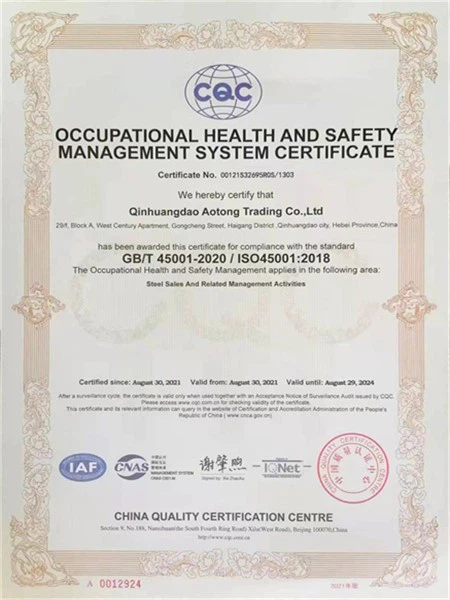
Our certificate


FAQ
Hot Tags: nm500 wear steel plate, China nm500 wear steel plate manufacturers, suppliers, factory, wear plate for chemical industries, wear plate for metalworking industries, wear plate for leather industries, wear plate for waste management equipment, wear plate for steel mills, wear plate for crushers parts


