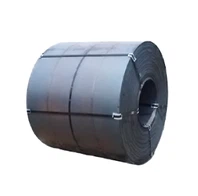
Hey there! As a heavy plate supplier, I often get asked about the common thicknesses of heavy plates. So, I thought I'd write this blog to share some insights on this topic.
Heavy plates are used in a wide range of industries, including construction, manufacturing, and energy. The thickness of a heavy plate can vary depending on its intended use. Let's take a look at some of the most common thicknesses and where they're typically used.
Thickness Ranges and Their Applications
6 - 10 mm
Plates in this thickness range are relatively thin for heavy plates. They're often used in applications where you need a bit more strength than regular steel sheets but don't want too much weight. For example, in the manufacturing of some types of machinery, these plates can be used for enclosures or structural components that don't bear extremely heavy loads. They're also popular in the automotive industry for certain parts like frames and brackets.
10 - 20 mm
This is a very common thickness range for heavy plates. In construction, plates of this thickness are used for building columns, beams, and other structural elements. They can withstand significant stress and are often used in medium - sized buildings and industrial structures. In the manufacturing of storage tanks, these plates are ideal as they can hold the weight of the stored materials without deforming easily.
20 - 50 mm
Plates in this range are considered thick and are used in heavy - duty applications. In the energy industry, especially in oil and gas refineries, these thick plates are used for pressure vessels. The high thickness provides the necessary strength to contain high - pressure fluids and gases. In bridge construction, they're used for critical parts that need to support large amounts of traffic and weight over long periods.


50 - 100 mm
These are extremely thick heavy plates. They're used in applications where maximum strength and durability are required. For example, in the manufacturing of large mining equipment, such as crushers and conveyors, these plates can handle the high - impact forces and abrasive materials. In some military applications, thick plates are used for armored vehicles and shelters to provide protection against projectiles.
Over 100 mm
Plates with a thickness over 100 mm are quite rare and are used in very specialized applications. They can be found in some high - end research facilities, where they're used to shield against radiation. In the construction of large dams, these plates can be used for certain critical components that need to withstand massive water pressure.
Our Product Offerings
At our company, we offer a wide range of heavy plates in different thicknesses. We have A572GR55 Heavy Plate, which is a low - alloy steel plate known for its high strength and good weldability. It comes in various thicknesses suitable for different industrial applications, from medium - duty structural work to more demanding manufacturing tasks.
Our High Strength Plate is another great option. These plates are designed to offer superior strength and performance, making them ideal for heavy - duty applications. Whether you need a plate for a large - scale construction project or a high - stress manufacturing process, our high - strength plates can meet your requirements.
We also supply A633GRD Low Alloy Steel Plate. This plate is known for its excellent toughness and resistance to corrosion, especially in low - temperature environments. It's available in different thicknesses, so you can choose the one that best suits your project.
Factors Affecting Thickness Selection
When choosing the thickness of a heavy plate, there are several factors to consider. The first is the load - bearing capacity required. If your application involves heavy loads, you'll need a thicker plate. For example, if you're building a bridge that will carry a lot of traffic, you'll need a plate with a thickness that can support the weight of the vehicles.
Another factor is the environment in which the plate will be used. If it's going to be exposed to corrosive substances, you might need a thicker plate to ensure a longer service life. Temperature is also an important consideration. In cold environments, thicker plates can help prevent brittleness and maintain the integrity of the structure.
Cost is always a factor as well. Thicker plates are generally more expensive due to the higher amount of raw material and the more complex manufacturing processes involved. So, you need to balance the performance requirements with the budget.
Quality Assurance
We understand that quality is crucial when it comes to heavy plates. That's why we have a strict quality control system in place. All our plates are tested thoroughly for strength, hardness, and other mechanical properties. We use advanced testing equipment and follow international standards to ensure that our products meet the highest quality requirements.
Conclusion
In conclusion, the common thicknesses of heavy plates vary widely depending on the application. Whether you need a thin plate for a light - duty application or a very thick plate for a heavy - duty project, we've got you covered. As a reliable heavy plate supplier, we're committed to providing high - quality products and excellent customer service.
If you're in the market for heavy plates and want to discuss your specific requirements, feel free to reach out to us. We're here to help you find the perfect plate for your project.
References
- "Steel Plate Handbook" - A comprehensive guide on steel plates and their applications.
- Industry standards such as ASTM and ISO for heavy plates.
- Technical papers from leading steel manufacturers on heavy plate production and usage.