

Products

High Strength Plate
Qinhuangdao Aotong was founded in 2004,it is a geoup management enterprises with the collection of trade ,steel further processing and warehousing logistics .The three major business sector include the Aotong metal center and the Aotong logistics center .The factory covers an area of 202000 square meters.The company has established Chenggang Wuyang and other major steel mills and traders across the country.The main products include medium and heavy steel plates,hot rolled coils, cold rolled pickled plates ,profiles building materials,etc.,with annual sales of more than 300 thousand tons.In addition to serving many domestic end-users and large and medium-sized projects,the products are exported to Europe,South America and Southeast Asia.
Why Choose Us
Factory strength
Wuhan building material lndustry design & research institute co., ltd., subordinated to cnbm was established in 1965. Lt is the leading company in fiber cement board / calcium silicate board machinery industry, and has sold more than 200 lines all over the world.
Rich experience
Wuhan institute has been deeply engaged in the calcium silicate board / fiber cement board industry for more than 40 years, so far, it has cooperated with many large group companies such as shera, saint-gobain, ask, conch cement, etc., and has cooperated in more than 200 production lines in the world.
Professional team
400 employees, including 16 professor-level senior engineers, 70 senior engineers, 90 engineers with medium-grade professional title or above, and 310 technical staff with other majors.
Quality control
The company also has modern laboratories to help the customers to choose the most suitable rawmaterials and production formula through the testing of raw materials and final products.

A572GR50 is a high-strength, low-alloy structural steel that offers excellent weldability and impact resistance. It is commonly used in construction and engineering projects where a combination of strength and toughness is required. With its superior strength and durability, A572GR50 is widely recognized and utilized in various industries.

A572GR55 Heavy Plate is a high-strength, low-alloy structural steel that offers superior strength and excellent weldability. It is specifically designed for applications requiring higher yield and tensile strength compared to standard grades. A572GR55 is commonly used in construction and engineering projects where heavy-duty materials are needed to withstand extreme conditions. With its exceptional strength and reliability, A572GR55 is highly valued and utilized across various industries.
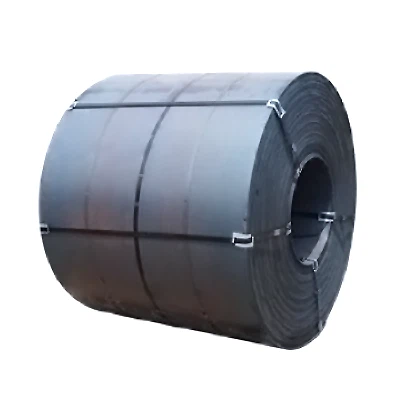
A573GR70 is a high-strength carbon steel plate that offers excellent strength, toughness, and weldability. It is specifically designed for applications requiring superior strength and impact resistance. A573GR70 is commonly used in structural components and heavy machinery, where extreme strength and durability are essential. With its exceptional mechanical properties, A573GR70 is highly regarded and widely utilized in various industries that demand robust and reliable materials.
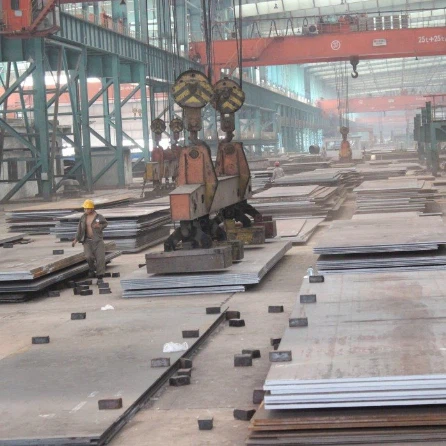
High-strength steel is low-carbon steel. It has alloy steel components that can improve wear resistance and corrosion resistance, especially tensile strength. These alloy components include copper, nickel, niobium, nitrogen, vanadium, chromium, molybdenum, titanium, and zirconium. Adding so many elements will increase the yield strength.

A572GR60 is a high-strength, low-alloy structural steel that possesses excellent strength, toughness, and weldability. It is specifically designed to provide superior yield and tensile strength compared to standard grades. This makes A572GR60 ideal for applications in construction and engineering projects where heavy-duty materials are required to withstand demanding conditions. With its outstanding mechanical properties, A572GR60 is highly regarded and widely used in various industries.
A573GR58 Carbon Steel Plate A283GRC
Carbon Steel Plate A283GRC is a high-strength carbon steel plate known for its improved toughness and weldability.
A633GRD is a high-strength, normalized, low-alloy structural steel plate that offers excellent weldability and notch toughness. It is specifically designed for applications requiring superior strength and impact resistance, particularly in low-temperature environments. A633GRD is commonly used in construction and engineering projects where reliable performance and durability are essential. With its exceptional mechanical properties and ability to withstand harsh conditions, A633GRD is highly valued and extensively utilized in various industries.
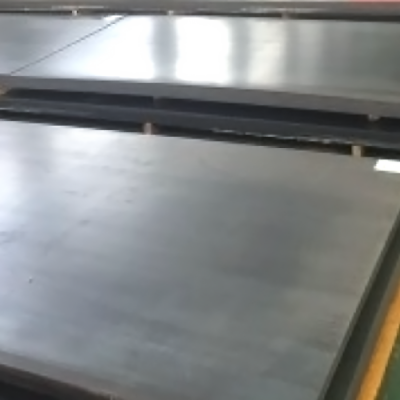
SM570 is a high-strength and low-alloy structural steel known for its excellent weldability, impact resistance, and improved toughness compared to other grades. It is commonly used in construction and engineering projects that require exceptional strength and durability. SM570 also exhibits good corrosion resistance, making it suitable for various applications across different industries. With its impressive properties, SM570 is highly regarded as a reliable and versatile material.
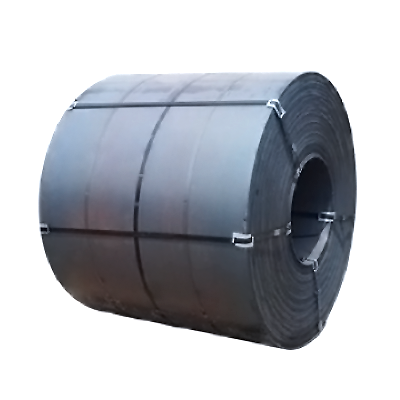
SM520C is a high-strength and low-alloy structural steel that offers exceptional weldability, impact resistance, and improved toughness compared to SM520B. It is often utilized in construction and engineering projects that demand superior strength and durability. SM520C also provides good corrosion resistance, making it suitable for various applications in diverse industries. With its outstanding properties, SM520C is highly recognized as a reliable and versatile material.
What is High Strength Plate
High Strength Steel Plates are steel sheets engineered to have superior strength and hardness properties compared to other steels. Due to their excellent tensile strength and wear resistance, they can be used in various structural applications, from bridges to armoured vehicles. High Strength Steel Plates also offer excellent weldability characteristics, making them suitable for various applications where welding is necessary. Furthermore, they provide superior corrosion resistance compared to other steel materials. This makes them particularly useful in marine environments or coastal areas where moisture is more prevalent or corrosive elements like chlorine are present.
Superior Strength
High-tensile steel plates are renowned for their superior strength, durability and increased resistance to corrosion. These plates have a high yield strength of more than 850 MPa and an ultimate tensile strength that ranges from 550-700 MPa depending on the plate grade. The high tensile strengths of these plates make them ideal for applications in industries such as transportation, construction, manufacturing and mining equipment, where strong materials are needed to survive harsh conditions. Due to their ability to resist shock loading, they can also be found in bridges and heavy machinery like cranes, tanks, bulldozers, etc. Additionally, they have excellent weldability and formability, allowing for diverse shapes and designs without compromising their mechanical properties. All these features combine to make high-tensile steel plates one of the strongest materials available today for industrial use-offering superior performance every time!
Lighter Weight
One of the most significant advantages of high-tensile steel plates over traditional steel is their lighter weight. The higher tensile strength of these plates allows for a thinner cross-section, which results in reduced weight without compromising strength. This makes them ideal for military vehicles that need to be highly maneuverable.
Better protection
Military vehicles such as tanks and armored vehicles are highly susceptible to attacks from enemy fire. High-tensile steel plates offer better protection against ballistic missiles and other projectiles. These plates are extremely hard and can absorb the impact of high-speed bullets without cracking.
Lower maintenance costs
High tensile steel plates require lower maintenance than traditional steel plates, which translates to fewer repairs and replacements, reducing costs over the vehicle's lifespan. These plates are also less susceptible to corrosion and rust, which minimizes the need for regular maintenance.
Types of High Strength Plate
High Strength Interstitial-free Steels (IF steels)
High-strength IF steels belong to the product family of conventional high-strength steels by adding different kinds of solid-solution-strengthening alloys such as P, Mn, Si, and proper rolling process control. The high-strength interstitial free steel properties feature the best formability and stamping performance of conventional high-strength steels, making it very suitable for complex-shaped automotive steel parts that have high requirements for deep drawing suitability and strength.
High Strength Bake-hardening Steels (BH Steels)
Bake Hardenable (BH) steel grades are conventional high-strength steels with baking hardening effects, suitable for car exposed panels. BH steels exhibit an increase in yield strength after room-temperature stamping followed by bake hardening processing through a thermal cycle comparable to the time-temperature profile used in paint baking, which is commonly seen in automotive painting processes.
Phosphorus-Containing Steel
Phosphorus-containing steel uses the solid solution strengthening element phosphorus to increase the strength of the steel plate so that it can be applied to some automobile stamping parts with more complicated shapes.
Ultra-Low Carbon Phosphorus-Containing Steels
Ultra-low carbon high-strength phosphorous steels are favored for their deep drawability, formability, and toughness. Solid solution strengthening alloys such as P, Mn, and Si ensure their strength.
Application of High Strength Plate
Automotive Industry
The automobile industry is one of the most significant users of high-strength steel plates. Car manufacturers increasingly use high-strength steel plates to improve their cars' rigidity, durability, and safety. Automobiles use high-strength steel plates to manufacture crash-resistant structures, ensuring that passengers are safe during a collision.
Shipbuilding Industry
Shipbuilding is another industry that requires high-quality steel plates. A ship's hull is built primarily using steel plates, and using high-strength steel plates improves the ship's structural integrity, making it more durable and long-lasting. Using high-strength steel plates also means that ships can carry more cargo without becoming too heavy.
Energy Industry
The energy industry is yet another sector that uses high-strength steel plates in its structures. This type of steel is used to construct wind turbines, transmission towers, and other energy-related structures. High-strength steel limits maintenance costs and increases the equipment's overall product life, making it a cost-effective investment in the long run.
Construction and Infrastructure
High-strength steel plates are commonly used in the construction industry to create bridges, tunnels, and high-rise buildings. This steel plate can withstand high loads and pressure, making it ideal for building facilities that must remain stable and secure under extreme conditions.
How to Choose High Strength Plate
Define your Requirements
Defining your requirements is important before selecting high-tensile steel plates for your project. This includes considering factors such as the type of application, required strength, thickness of the plate, and any additional specifications or certifications applicable to your project. Clearly defining your requirements can narrow your selection and reduce the likelihood of choosing inappropriate material.
Materials
High-tensile steel plates come in various materials, each with its specific properties. Common materials include S690, S960, S1100, and S1300. The material you choose will depend on the specific requirements of your project. For example, S690 is popular for offshore applications due to its excellent strength and corrosion resistance. S960 and above are commonly used in mines and heavy machinery due to their superior durability.
Quality
The quality of high tensile steel plates can vary greatly, even within the same material category. It's essential to ensure that the material you choose meets your project's specifications and certifications. Be sure to choose a reputable supplier who can provide traceability and necessary documentation, such as mill test reports.
Plate Dimensions
Along with material selection, the dimensions of the high-tensile steel plate are essential. It's important to select the correct thickness and plate dimensions to ensure the plate works correctly in your application. This can be influenced by several factors, such as the weight and size of the equipment, the load capacity, and the type of stresses expected during operation.
Price
Finally, the high tensile steel plates'cost is crucial when deciding on the right material for your project. High tensile plates can be expensive, so it's essential to balance the cost with the required properties and qualities of the material. While the cheaper option may appear appealing on paper, choosing lower-quality materials can lead to unexpected costs through repair, replacement, or downtime that could offset the savings.
High Strength Plate Heat Treatment Processes
Normalizing
Normalizing involves heating steel plate to an extremely high temperature within a furnace. The plate is held at that temperature for a sufficient amount of time-typically a minimum of one hour per 1" of plate thickness-and is taken out of the furnace to air-cool at room temperature.During this process, the grain structure of plate is altered to increase hardness, ductility, machinability and strength. These properties make normalized plate ideal for structural applications-such as for the construction of buildings, bridges or offshore structures-and for the construction of pressure vessels, which requires steel plate that can withstand high levels of stress while also being easy to form.
Annealing
Annealing, like normalizing, also involves heating steel plate to an extremely high temperature within a furnace. Where annealing differs from normalizing, however, is in the cooling process. Annealing has a more controlled cooling than normalizing, as plate is cooled within a furnace at a lower, below-critical temperature.This process of controlled heating and cooling alters a plate's grain structure to increase ductility and reduce hardness. With its enhanced strength and ductility, annealed plate is typically used in structural projects where the ability to bear heavy loads and stretch without becoming brittle is important, such as bridges, for example.
Quenching & Tempering
While normalizing and annealing have just one period of heating and cooling, quenching and tempering is a two-part process. The first part of the process, known as quenching, brings the material to a high temperature, usually between 1,500- and 1,650-degrees Fahrenheit. The plate is then rapidly cooled with water. After the material is quenched, it is re-heated again to a below-critical temperature, usually around 300 to 700 degrees, and air-cooled. This part of the process is known as tempering.
Future trends in the use of High Strength Plate
Innovations in high strength structural steel
Researchers and developers are currently focusing their efforts on further enhancing the properties of high-strength structural steel. This involves exploring new alloying elements, refining manufacturing processes, and experimenting with advanced techniques such as additive manufacturing. These innovations aim to push the boundaries of what it can achieve, opening up new possibilities for the future of construction.
The role of high strength structural steel in sustainable construction
Sustainability is a pressing concern in the construction industry. High-strength structural steel has a vital role to play in sustainable construction practices. As previously mentioned, the recyclability of steel reduces waste and promotes the efficient use of resources. Moreover, it can contribute to the development of energy-efficient structures, thanks to its potential for lightweight design and integration with sustainable building systems.

Our Factory


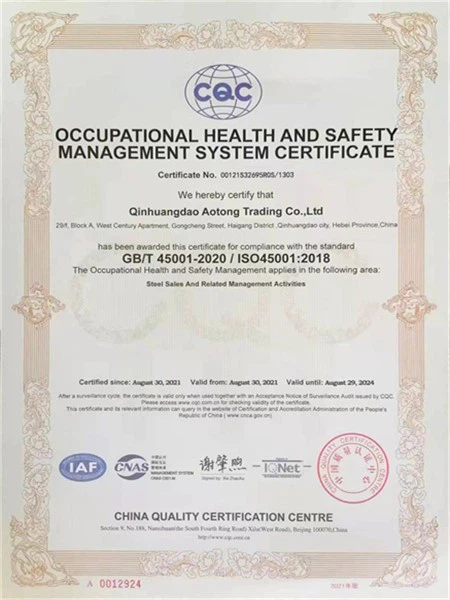
Our certificate


FAQ
Hot Tags: high strength plate, China high strength plate manufacturers, suppliers, factory, straight steel plate, thickness steel plate, elastic modulus steel plate, toughness steel plate, consistent steel plate, stable steel plate


