

Products

A633GRD Low Alloy Steel Plate
Why Choose Us?
Rich Experience
Qinhuangdao Aotong was founded in 2004, it is a geoup management enterprises with the collection of trade, steel further processing and warehousing logistics.
Wide Product Range
The main products include medium and heavy steel plates, hot rolled coils, cold rolled pickled plates, profiles building materials, etc., with annual sales of more than 300 thousand tons.
One-stop Solution
Make meticulous production arrangements according to the order schedule; rapid production capacity, one-stop service at home.
Broad Market
In addition to serving many domestic end-users and large and medium-sized projects, the products are exported to Europe, South America and Southeast Asia.
What is A633GRD Low Alloy Steel Plate?
A633GRD Low Alloy Steel Plate, are engineering materials that combine exceptional strength with ductility. They are widely used in various industries due to their robust mechanical properties and exceptional resistance to corrosion.
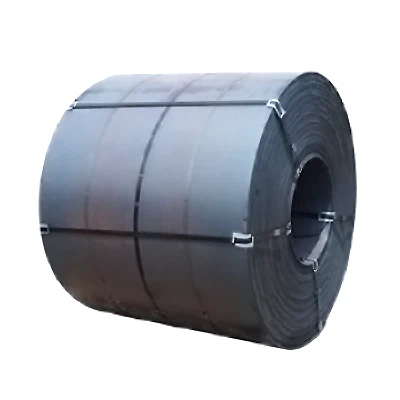
A572GR50 is a high-strength, low-alloy structural steel that offers excellent weldability and impact resistance.
A573GR70 is a high-strength carbon steel plate that offers excellent strength, toughness, and weldability.
S355J2 is a high-strength, low-alloy structural steel that provides excellent strength, durability, and impact resistance.

S355JR is a low-alloy structural steel that offers excellent strength, durability, and weldability.
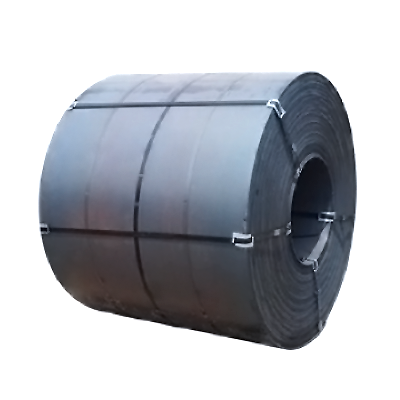
JISG3106 SM490 is a high-strength and low-alloy structural steel renowned for its excellent weldability and impact resistance.
Plate A516 Gr 70, a type of pressure vessel steel, is extensively utilized in container manufacturing.
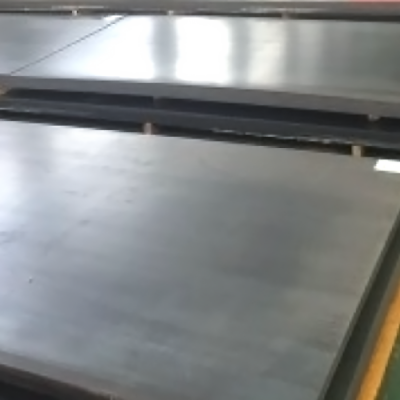
SM570 is a high-strength and low-alloy structural steel known for its excellent weldability, impact resistance, and improved toughness compared to other grades.

SM570 is a high-strength and low-alloy structural steel known for its excellent weldability, impact resistance, and improved toughness compared to other grades.

A572GR55 Heavy Plate is a high-strength, low-alloy structural steel that offers superior strength and excellent weldability.
1. Strength
The yield stress of steel is a measure of how much stress it can take without changing shape. The least amount of stress that carbon steel can handle is 235MPa. And 345MPa is the value for low alloy steel. When you compare two kinds of steel, you can shrink the steel and make it lighter. But there is one thing to think about: if the steel will bend while it is being used, it needs to be worked on to improve its properties. Sometimes it is used instead of carbon steel, but the cross-section size stays the same. This is done to get a stronger material without making it heavier.
2. Welding Properties
Welding is a big part of making steel. The steel must get proper welding properties. If the welding process is done well, most low-alloy steel can be welded well. But if it has a lot of carbon and manganese, it needs to be heated or a low-hydrogen electrode needs to be used. Some low alloy steel must use a hydrogen-free electrode, no matter how thick it is.
3. Corrosion Resistance
When you use high strength low alloy steel, the requirements are high strength, and the cross-section will be smaller. That will make it lighter, and the price-to-performance ratio will be better. But we need to pay attention to how well it doesn't rust. If the steel's cross-section isn't as thick, corrosion resistance is more important. The erosion-resistant coating was spread on the surface of the steel to make it resistant to corrosion.
Common Applications of A633GRD Low Alloy Steel Plate
Automotive industry: Low alloy steels are extensively used in the automotive industry for manufacturing various components such as engine parts, transmission parts, chassis, and suspension systems. These steels offer high strength, good weldability, and excellent impact resistance, making them suitable for withstanding the demanding conditions encountered in vehicles.
Construction: Low alloy steels find applications in construction for structural components such as beams, and columns. Their combination of strength, ductility, and weldability makes them suitable for supporting heavy loads and withstanding harsh environmental conditions, thereby ensuring the structural integrity of buildings and infrastructure.
Oil and gas industry: Low alloy steels are used in the oil and gas industry for pipelines, well casings, and drilling equipment. These steels exhibit good resistance to corrosion, abrasion, and high-pressure environments, making them ideal for transporting and extracting oil and gas in challenging conditions.
Heavy machinery and equipment: Low alloy steels are commonly used in the fabrication of heavy machinery and equipment, including mining machinery, agricultural equipment, and industrial machinery. Their combination of toughness, abrasion resistance, and weldability ensures the durability and reliability of these components under heavy loads and abrasive conditions.
What Are the Plate Grades of A633GRD Low Alloy Steel Plate?
|
Steel category |
ASTM / ASME standard |
|
|
Low Alloy Steel Plate |
Flux Cored Wires |
|
|
0.5%Mo |
A204 Grade A,B,C A336 Grade F1 |
GMX 811A1 |
|
0.5%Cr-0.5%Mo |
A387 Grade 2 CI.1,2 |
|
|
1.25%Cr-0.5%Mo |
A387 Grade 12 Cl.1,2 A387 Grade 11 CI.1,2 A336 Grade F11 |
GMX 811B2 |

Alloy steel is a type of steel alloyed with several elements such as molybdenum, manganese, nickel, chromium, vanadium, silicon, and boron. These alloying elements are added to increase strength, hardness, wear resistance, and toughness. The amounts of alloying elements may vary between 1 and 50%.
Alloy steels may be classified into two groups: low alloy steel and high alloy steel. The boundary between low alloy and high alloy steel is commonly accepted as 5% alloying element. For all practical purposes in the oil and gas industry, alloy steel means low alloy steel.
How Strong Is A633GRD Low Alloy Steel Plate?
|
Physical Properties |
Metric |
English |
|
Tensile Strength, Ultimate |
180 - 2730 MPa |
26100 - 396000 psi |
|
Tensile Strength, Yield |
110 - 2400 MPa |
16000 - 347000 psi |
|
Elongation at Break |
2.00 - 37.0 % |
2.00 - 37.0 % |
|
Elongation at Yield |
1.00 - 40.0 % |
1.00 - 40.0 % |
Is A633GRD Low Alloy Steel Plate Rust Resistant?
The corrosion resistance of low-alloy steel is inferior to that of stainless steel. In low-alloy steel, rust formation is prevented by two methods. Firstly, the surface can be covered by paint or plating. Secondly, the alloy contains Cu, Cr, P, and Ni, which are corrosionresistant alloying elements.
In appropriate amounts, these alloys encourage the formation of a dense rust on the surface as the steel is exposed to alternating moderate dry and wet conditions in the atmosphere over time. This dense rust protects the underlying steel material, and the formation of deeper rust is gradually suppressed.
However, elements effective for improving corrosion resistance are harmful to the excellent mechanical properties and good weldability Low-alloy steel is required to have. As a result, there is a limit to the amount added, and a limit to the corrosion resistance that can be "built in" to the alloy mixture.
All common carbon steels (including mild steel), low alloy steels and tool steels are ferromagnetic. Some other metals such as nickel and cobalt are also ferromagnetic.
All stainless steels with the exception of the austenitic grades are also magnetic – this includes: all ferritic grades, all duplex grades, all martensitic grades and all precipitation hardening grades. Even though the duplex grades are mixtures of austenite and ferrite they are still strongly attracted to a magnet.
In summary, carbon steels, low alloy steels, and tool steel, including Stainless Steel with ferritic and martensitic grades are ferromagnetic and are considered "magnetic" materials. Stainless Steel 316L, an alloy that contains iron but with an austenitic crystal structure (grade) is not magnetic, unless there have been changes to its crystal structure during a manufacturing operation.
Low alloy steels are defined as steels with a lower than 10% content of carbon, manganese, chronium, nickel, molybdenum, barium, vandium, and silicon combined. Low alloy steel testing for elemental composition mostly revolves around quantifying these.
The alloyants referenced above improve the strength and hardness of low alloy steels compared to the carbon steels and even to stainless steels (as long as their temperature remains well under 400° C). Low alloy steels serve as construction materials in chemical, petrochemical, and electrical energy plants and have a range of applications in process pressure vessels, load-bearing structures, in car parts, low-cost aerospace parts, tubing, and low-cost cutting tools. A special category of low alloy steels is Chrome-moly or Chromoly (Cr/Mo Steels).
Our Factory
Qinhuangdao Aotong was founded in 2004, it is a geoup management enterprises with the collection of trade, steel further processing and warehousing logistics. The three major business sector include the Aotong metal center and the Aotong logistics center. The factory covers an area of 202000 square meters. The company has established Chenggang Wuyang and other major steel mills and traders across the country. The main products include medium and heavy steel plates, hot rolled coils, cold rolled pickled plates, profiles building materials, etc., with annual sales of more than 300 thousand tons.


Certifications


Ultimate FAQ Guide to A633GRD Low Alloy Steel Plate
Q: What is the Difference Between Carbon Steel and A633GRD low alloy steel plate?
Q: What is the carbon content of A633GRD low alloy steel plate?
Q: What are the alloying limits for A633GRD low alloy steel plates?
Q: Is A633GRD low alloy steel plate corrosion resistant?
Q: Is A633GRD low alloy steel plate mild steel?
Q: Why is A633GRD low alloy steel plate good?
Q: Is A633GRD low alloy steel plate the same as stainless steel?
Q: Is A633GRD low alloy steel plate magnetic?
Q: Is A633GRD low alloy steel plate the same as low carbon steel?
Q: Is A633GRD low alloy steel plate Stronger than Carbon Steel?
Q: What are the alloying limits for A633GRD low alloy steel plates?
Hot Tags: A633GRD Low Alloy Steel Plate, China A633GRD Low Alloy Steel Plate manufacturers, suppliers, factory, size steel plate, steel plate for shipbuilding, low alloy steel plate, rectangular steel plate, oem steel plate, steel plate for bridges


