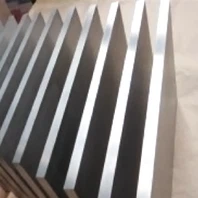
Hey there! As a supplier of ASTM A537, I often get asked about the thermal conductivity of this material. So, I thought I'd take a moment to break it down for you.
First off, let's talk a bit about ASTM A537. It's a specification for pressure vessel plates made from heat-treated carbon-manganese-silicon steel. These plates are commonly used in the construction of pressure vessels, storage tanks, and other equipment that operates under high pressure and temperature conditions.
Now, onto the main topic - thermal conductivity. Thermal conductivity is a measure of a material's ability to conduct heat. In simpler terms, it tells us how well heat can pass through a material. For ASTM A537, the thermal conductivity can vary depending on a few factors, such as the specific grade of the steel, its temperature, and its microstructure.
Typically, the thermal conductivity of ASTM A537 steel is in the range of about 40 - 50 W/(m·K) at room temperature. This value might not mean much on its own, so let me put it into perspective. Compared to some other common materials, ASTM A537 has a relatively good thermal conductivity. For example, stainless steel usually has a lower thermal conductivity, around 15 - 20 W/(m·K). This means that ASTM A537 can transfer heat more efficiently than stainless steel.
The reason why thermal conductivity matters is that in applications like pressure vessels, heat transfer is a crucial factor. If a pressure vessel is used to store hot fluids or gases, the ability of the vessel's material to conduct heat can affect how quickly the contents cool down or how well the vessel can withstand temperature changes. A material with good thermal conductivity can help in maintaining a more uniform temperature distribution within the vessel, which is important for its structural integrity and performance.
Another aspect to consider is how the thermal conductivity of ASTM A537 changes with temperature. As the temperature increases, the thermal conductivity of most metals, including ASTM A537, generally decreases. This is because at higher temperatures, the atoms in the metal vibrate more vigorously, which can impede the flow of heat. However, the exact relationship between temperature and thermal conductivity for ASTM A537 is complex and can be influenced by the steel's composition and heat treatment history.
When it comes to choosing the right material for a pressure vessel, thermal conductivity is just one of the many factors to consider. Other important properties include strength, toughness, corrosion resistance, and weldability. ASTM A537 offers a good balance of these properties, which is why it's a popular choice in the industry.

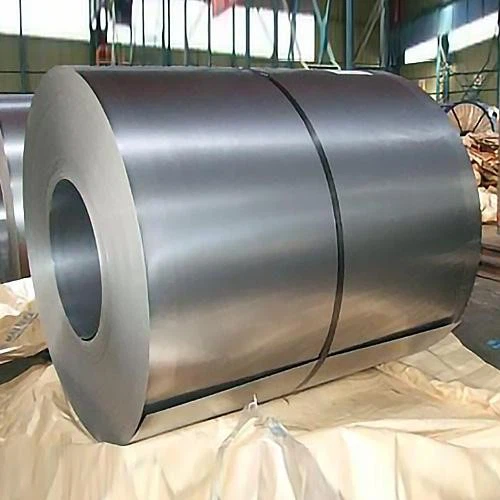
Now, if you're in the market for pressure vessel plates, you might also be interested in some related materials. For instance, astm a537 16Mo3 is another type of pressure vessel steel that has its own unique properties. It contains molybdenum, which gives it better high-temperature strength and creep resistance. Similarly, SA387GR11 A387 steel plate is often used in high-temperature and high-pressure applications, especially in the petrochemical industry. And SA516GR70 is a widely used carbon steel plate for pressure vessels, known for its good weldability and toughness.
As a supplier of ASTM A537, I can offer you high-quality plates that meet the strict ASTM standards. We have a wide range of sizes and thicknesses available, and we can also provide custom-cutting and processing services to meet your specific requirements. Whether you're building a small storage tank or a large industrial pressure vessel, we've got you covered.
If you're interested in learning more about ASTM A537 or any of our other products, or if you're ready to start a procurement discussion, don't hesitate to reach out. We're here to help you find the best material solutions for your projects.
References:
- ASTM International standards for ASTM A537
- Technical literature on steel properties and heat transfer
So, if you have any questions or if you're looking to make a purchase, just let me know. I'm happy to assist you in any way I can.