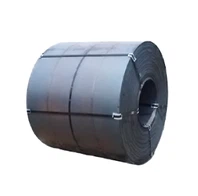
As a supplier of ASTM A537 steel, I am often asked about its wear resistance. Wear resistance is a crucial property, especially in applications where the material is subject to friction, abrasion, or impact. In this blog post, I will delve into the wear resistance of ASTM A537, exploring what it means, how it is measured, and what factors influence it.
Understanding Wear Resistance
Wear resistance refers to a material's ability to withstand damage caused by contact with another surface. This can include various types of wear, such as adhesive wear, abrasive wear, and erosive wear. Adhesive wear occurs when two surfaces stick together and material is transferred from one to the other. Abrasive wear is caused by hard particles or rough surfaces rubbing against the material, while erosive wear is the result of the impact of solid or liquid particles.
For ASTM A537, which is a pressure vessel steel commonly used in applications such as storage tanks, boilers, and pressure vessels, wear resistance is important in ensuring the long - term durability and performance of these structures. In some cases, the steel may be exposed to abrasive materials during the operation of the equipment, or it may experience wear due to the movement of internal components.
Measuring Wear Resistance
There are several methods to measure the wear resistance of ASTM A537. One of the most common methods is the pin - on - disk test. In this test, a pin made of the test material (ASTM A537 in this case) is pressed against a rotating disk. The amount of material removed from the pin after a certain number of rotations is measured, and this data is used to calculate the wear rate. A lower wear rate indicates better wear resistance.
Another method is the abrasive wear test, where the material is subjected to abrasion by a fixed abrasive surface or abrasive particles. The weight loss of the specimen after a specific period of abrasion is measured, and this is also used as an indicator of wear resistance.
Factors Affecting the Wear Resistance of ASTM A537
Chemical Composition
The chemical composition of ASTM A537 plays a significant role in its wear resistance. Carbon is one of the key elements. A higher carbon content generally increases the hardness of the steel, which in turn can improve its wear resistance. However, too much carbon can make the steel brittle, reducing its toughness and potentially increasing the risk of cracking.
Manganese is another important element. It helps to improve the hardenability of the steel and can also enhance its strength and wear resistance. Other elements such as chromium, nickel, and molybdenum can also be added in small amounts to further improve the steel's properties, including wear resistance. Chromium, for example, can form hard carbide particles in the steel, which can resist abrasion.
Heat Treatment
Heat treatment is a crucial process that can significantly affect the wear resistance of ASTM A537. Annealing, normalizing, quenching, and tempering are common heat - treatment methods. Annealing can relieve internal stresses and improve the ductility of the steel, but it may not necessarily enhance wear resistance. Normalizing can refine the grain structure of the steel, which can improve its strength and wear resistance to some extent.
Quenching and tempering are more effective in improving wear resistance. Quenching rapidly cools the steel from a high temperature, which can transform the microstructure into a harder phase. Tempering is then carried out to relieve the internal stresses generated during quenching and to improve the toughness of the steel while maintaining a relatively high hardness.
Surface Finish
The surface finish of ASTM A537 can also influence its wear resistance. A smooth surface finish can reduce the contact area between the steel and the abrasive material, which in turn can reduce the wear rate. On the other hand, a rough surface may increase the friction and the likelihood of wear. Surface treatments such as shot peening or coating can be used to improve the surface finish and enhance the wear resistance of the steel.
Comparison with Other Pressure Vessel Steels
When considering the wear resistance of ASTM A537, it is useful to compare it with other similar pressure vessel steels. For example, SA285GrC A387GR11CL2 is another popular pressure vessel steel. SA285GrC is generally used for lower - temperature applications and has good weldability. However, in terms of wear resistance, ASTM A537 may have an advantage due to its different chemical composition and heat - treatment options.


SA516GR70 is also a well - known pressure vessel steel, especially suitable for use in welded pressure vessels operating at low temperatures. While SA516GR70 has good toughness and strength, the wear resistance of ASTM A537 can be tailored through proper heat treatment and alloying to be more suitable for applications with higher wear requirements.
P335GH is a European standard pressure vessel steel. It has similar applications to ASTM A537, but the wear resistance characteristics may vary depending on the specific manufacturing process and chemical composition. In some cases, ASTM A537 may offer better wear resistance, especially when optimized for wear - prone applications.
Applications and the Importance of Wear Resistance
In the oil and gas industry, ASTM A537 is used in storage tanks and pipelines. These structures may be exposed to abrasive materials such as sand and gravel during the extraction and transportation of oil and gas. Good wear resistance is essential to prevent premature failure of the equipment and to ensure the safety and reliability of the operations.
In the power generation industry, boilers and pressure vessels made of ASTM A537 may be subject to wear due to the movement of steam, water, and other fluids. Wear - resistant ASTM A537 can help to maintain the efficiency of the power generation equipment and reduce maintenance costs.
Conclusion
The wear resistance of ASTM A537 is a complex property that is influenced by chemical composition, heat treatment, and surface finish. By understanding these factors, we can optimize the wear resistance of ASTM A537 for different applications. Whether you are in the oil and gas, power generation, or other industries that require pressure vessel steels, choosing the right steel with appropriate wear resistance is crucial for the long - term performance and safety of your equipment.
If you are interested in purchasing ASTM A537 steel for your specific application, I encourage you to contact me for further discussion. We can work together to determine the best grade and treatment of ASTM A537 to meet your wear - resistance requirements.
References
- ASM Handbook, Volume 3: Alloy Phase Diagrams
- ASTM International Standards on Pressure Vessel Steels
- "Materials Science and Engineering: An Introduction" by William D. Callister, Jr. and David G. Rethwisch