

Products

SA516GR70
Why Choose Us?
Rich Experience
Qinhuangdao Aotong was founded in 2004, it is a geoup management enterprises with the collection of trade, steel further processing and warehousing logistics.
Wide Product Range
The main products include medium and heavy steel plates, hot rolled coils, cold rolled pickled plates, profiles building materials, etc., with annual sales of more than 300 thousand tons.
One-stop Solution
Make meticulous production arrangements according to the order schedule; rapid production capacity, one-stop service at home.
Broad Market
In addition to serving many domestic end-users and large and medium-sized projects, the products are exported to Europe, South America and Southeast Asia.
What is SA516GR70?
SA516 Gr70 is produced to a fine grain practice and is considered the backbone of the pressure vessel industry. Depending on the tensile requirements within the environment for both temperature and pressure, SA 516 Gr 60 along with SA 516 Gr 70 are more commonly used in refineries, chemical plants, power plant, and other moderate to low temperature applications. SA 516 is normally produced in the As Rolled condition for thickness' 1-1/2" and under.
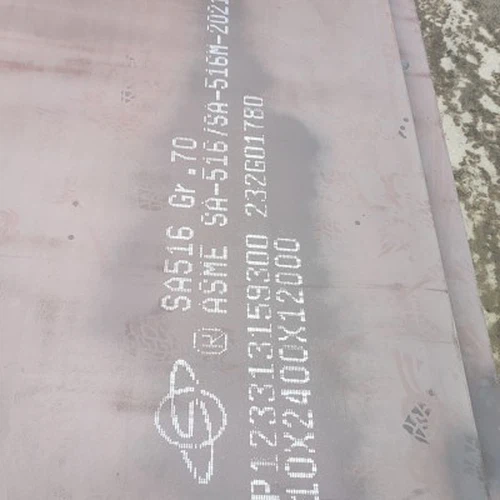
Steel plates with a thickness of ASME (ASTM) SA516GR70 (A516GR70) ≤ 40 can also be delivered by normalizing
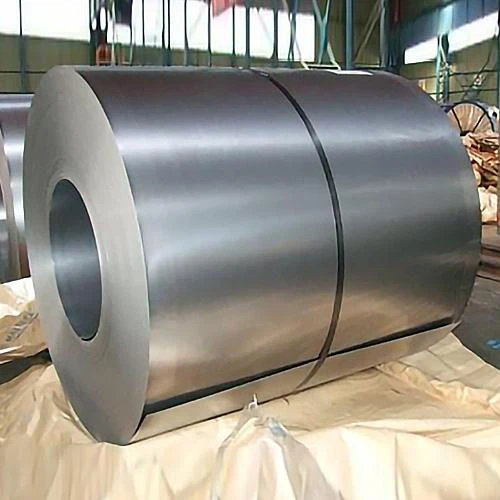
P275NL1 is a type of container plate that is commonly used in the manufacturing of pressure vessels.
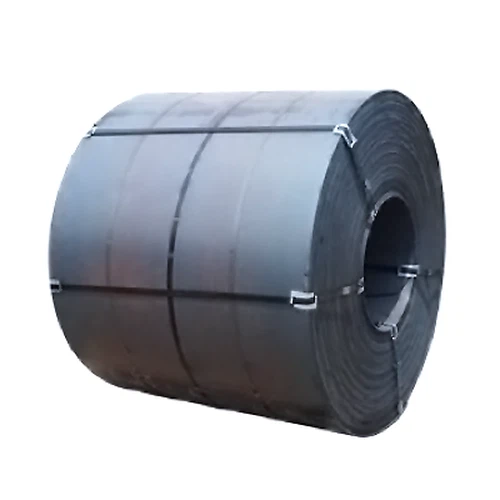
16Mo3 is a type of boiler and pressure vessel steel commonly used in the manufacturing of containers.

P295GH is a type of container plate specifically designed for high-temperature applications, such as the manufacturing of pressure vessels.
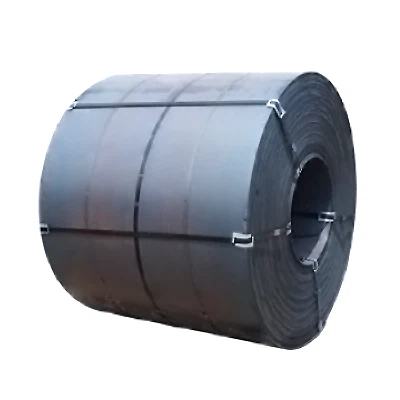
P335GH Pressure Plate SA516GR70
P355GH Pressure Plate SA516GR70 is a container plate widely used in the manufacturing of pressure vessels for high-temperature applications.
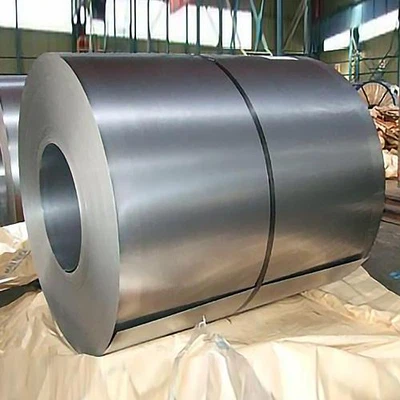
SA285GrA is a type of container plate specifically designed for low to intermediate tensile strength, making it suitable for pressure vessel applications.
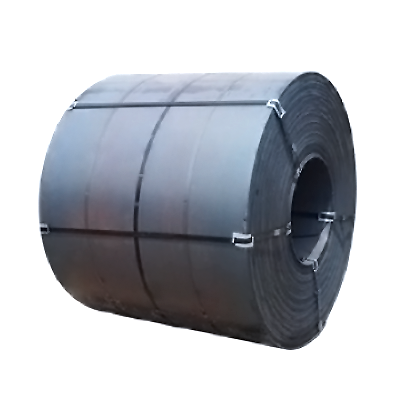
SA285GrB is a type of container plate specifically designed for low to intermediate tensile strength, making it suitable for pressure vessel applications.
SA285GrC A387GR11CL2 is a type of container plate specifically designed for low to intermediate tensile strength

• Robust Construction: Carbon steel plate, has a higher concentration of carbon than other types of steel, generally between 0.02%-2.11%, which can solidify the metal's interior structure and enhance its strength. As the percentage of carbon gets larger, the steel will become harder.
• Good Mechanical Properties: Carbon plate can be cut, welded, or processed easily due to its good abrasion resistance and machinability. While carbon steel can still stress and break under pressure, it's less likely than with other types of steel.
• Wide Applications: This material can be used in many applications, from small household items to structural frames, wires, automobile components, surgical instruments, bolts, stampings, cranks, gears, bars, spring steel, railway tracks, cookware, pipelines, fencing, nails, etc.
• Affordability: It is cheaper than galvanised steel, galvalume steel, aluminium, or stainless steel, making it a popular metal used by many manufacturing companies.
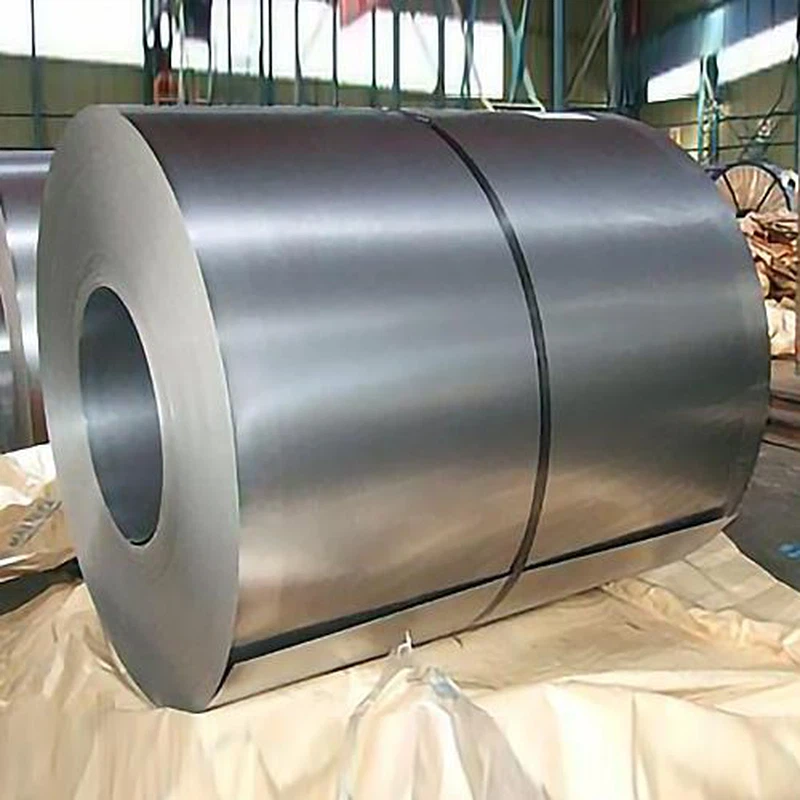
What Are the Properties of SA516 GR70 Steel?
ASTM A516 Grade 70 is renowned for its impressive mechanical properties. It boasts a tensile strength of 70-90 ksi (485-620 MPa), yield strength of 38 ksi (260 MPa), and an elongation in 200mm of a minimum of 17%. Furthermore, it exhibits an elongation in 50mm of at least 21%. These properties make it a highly sought-after material for various industrial applications.
What sets ASTM A516 Grade 70 apart is its ability to operate in even lower temperature service. This makes it a more versatile material, capable of withstanding harsh conditions. Moreover, its excellent weldability and improved notch toughness make it a preferred choice for welded fabrication in industrial pressure vessels and boilers.
Carbon Content for SA516GR70 Carbon Steel Plate
Steel is commonly considered carbon steel when no minimum content is specified for any alloying element (for example, aluminum, chromium, nickel, molybdenum, vanadium, etc.) or any other element added to obtain a desired alloy effect. The manganese does not exceed 1.65%, the specified minimum for copper is not below .40% or exceed .60%, and silicon does not exceed .60%. There are low, medium, and high carbon steel plates. The more carbon content in a plate, the more durable it becomes.
Carbon steel plate levels are divided as follows:
· Low carbon = 06% to .25% carbon content (mild steel)
· Medium carbon = 25% to .55% carbon content (medium steel)
· High carbon = >55% to 1.00% carbon content (hard steel)
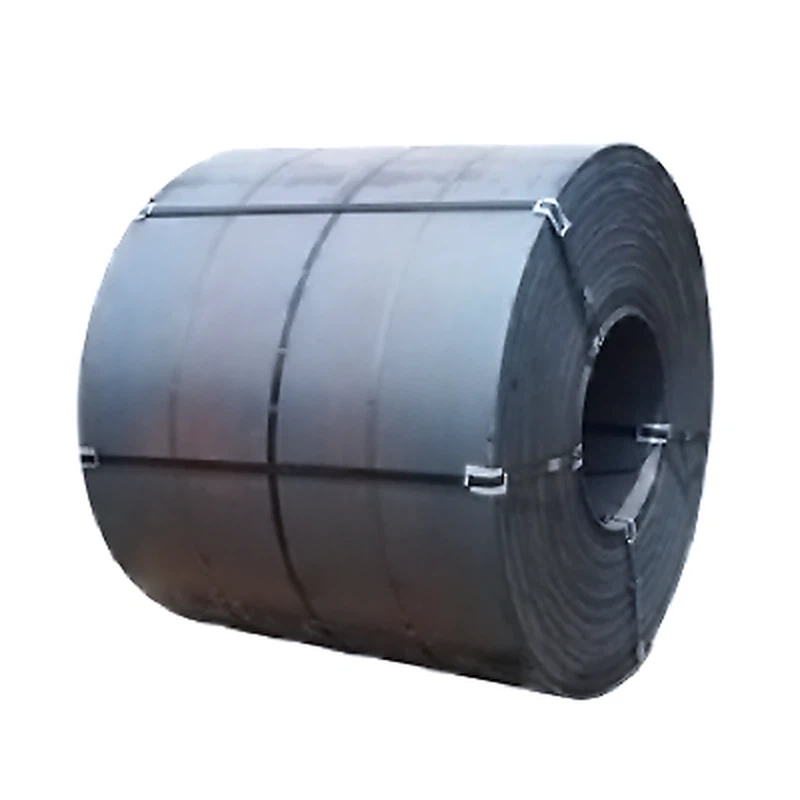
What Is the Density of SA516 GR70?
|
Physical Properties |
Metric |
Comments |
|
Density |
7.80 g/cc |
Typical of ASTM Steel |
|
Mechanical Properties |
Metric |
Comments |
|
Tensile Strength, Ultimate |
485 - 620 MPa |
|
|
Tensile Strength, Yield |
260 MPa |
What Is the Temperature Range for SA516 GR70?
Fine grained structural steel for pressure vessels. A/SA 516 Gr.70+N steel is characterised by good weldability and high resistance to brittle cracking. These types are used above all for manufacturing vessels for pressurised gas (LPG, butane and propane tanks), pressure vessels, parts for steam boilers, pressure piping, compressors, etc. Their most widespread use is in application environments lower than -20 ºC.
A/SA 516 Gr.70+N steel is supplied in the normalised condition. The normalising temperature is 900 - 950 ºC, and it must be left in the furnace after temperature equalising for approximately 1 minute per millimetre of thickness of the plate. As a result, it offers good cold-forming and hot-forming properties without negatively affecting the material properties.
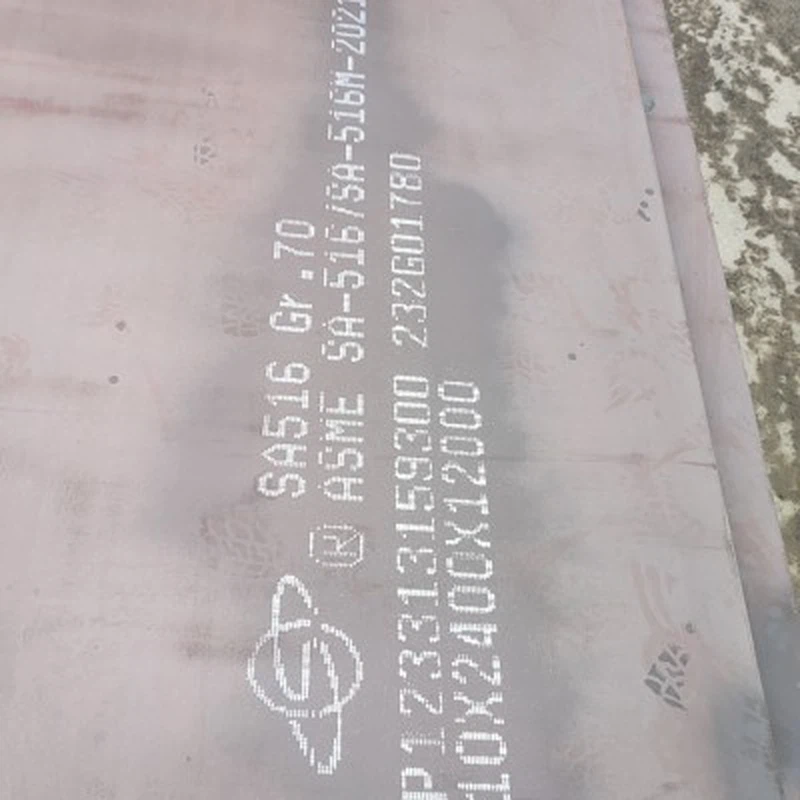
The Sa 516 Gr 70n is a normalized fine grain pressure vessel grade. Sa 516 grade 70 plate is alloyed with carbon, silicon, manganese, phosphorous, sulfur, and other alloys based on the material requirements. The Sa516 grade 70 plate has good resistance to oxidation and corrosion in different conditions. The plate have good notch toughness at low temperature specifications.
Sa 516 Gr.70 nace+hic steel plate has a good composition of hydrogen sulfides giving it outstanding strength in harsh environments. The Sa516-70 plate has a tensile strength between 510 to 650 n/mm2. These plate have a minimum yield strength of 355 n/mm2. The Sa 516 steel plate grade 70 is designed in thicknesses up to 200mm with lengths up to 11000mm.
What Is SA516 GR70 Equivalent Material?
The Sa 516 Gr.70 is an ASTM/ASME grade. The Equivalent En Standard of this grade is the EN 10028 P355GH grade.
|
Standard |
Description |
|
ASME/ ASTM |
SA516 / A516 Grade 70 |
|
DIN |
- |
|
British |
BS1501-224-490A/B |
|
European EN |
EN10028 P355GH |
Both grades are used in the fabrication of pressure vessels and Boilers, but due to its higher tensile strength and yield strength, Grade 70 is often preferred for applications requiring greater durability and strength.
Chemical Composition Grade 70 has a higher carbon and manganese content compared to Grade 60 and Mechanical Properties Grade 70 has higher tensile and yield strength than Grade 60 and Applications While both are used in similar applications, Grade 70 is chosen when higher strength is needed and Both grades offer excellent weldability and are commonly used in the oil, gas, and petrochemical industries for making boilers and pressure vessels.
①The Manufacturing Industry
Many of the components in the manufacturing industry are constructed from carbon steel plates. Among others, screws, bolts, gears, and other parts can be manufactured from it because of its resilience. When carbon steel plate is used for these parts, they last longer, extending the time between gear or screw replacements. SA516GR70 Plates are also used in manufacturing industries.
②Construction of a Building
Carbon steel plates are frequently used in construction to create ships, bridges, and other kinds of commercial or industrial structures. Because of their strength, carbon steel plates can be used to make a wide range of brackets, braces, and other components needed to build a building.
③Tank Storage
Plates made of carbon steel are also used to store tanks. Airtight and watertight tanks can be made from this metal by riveting and welding. A tank constructed from this material is also more economical and can be constructed for lower costs without sacrificing quality.
· Machinability and Weldability of Carbon Steel Plates: Both the Machinability and weldability of carbon steel are good. It can be easily cut with a hacksaw, though burrs on the edge would need to be ground off. By heating carbon steel above its melting point, it can be made extremely hard but brittle.
· Quenching and tempering are two heat-treatment techniques that can be used to harden carbon steel: Due to this, carbon steel is able to withstand corrosion better than mild steel, which lacks this property natively.
· Ductility And Flexibility: The highest ductility, and ability to be shaped of any steel is found in carbon steel. It is frequently used in the automobile industry because it provides exceptional strength, heat resistance, and flexibility. Parts that need to bend or flex often are frequently made of this sort of steel.
Our Factory
Qinhuangdao Aotong was founded in 2004, it is a geoup management enterprises with the collection of trade, steel further processing and warehousing logistics. The three major business sector include the Aotong metal center and the Aotong logistics center. The factory covers an area of 202000 square meters. The company has established Chenggang Wuyang and other major steel mills and traders across the country. The main products include medium and heavy steel plates, hot rolled coils, cold rolled pickled plates, profiles building materials, etc., with annual sales of more than 300 thousand tons.


Certifications


Ultimate FAQ Guide to SA516GR70
Q: What are the properties of SA516 GR70 steel?
Q: What is the difference between Grade SA516 GR70 and 60?
Q: What are the applications of SA 516 GR 70?
· Heat recovery steam generations (HRSG)
· Steam, Boiler and heat exchanger.
· Gas and steam turbines.
· Thermal Power Stations.
· Separator.
· Slide conveyor.
· Liquefied Petroleum.
Q: What is the hardness of SA 516 GR 70 material?
Q: How thick is SA516 GR70 plate?
Q: What is the thickness tolerance of SA 516 GR 70 plate?
Q: What is the temperature range for SA516 GR70?
Q: What is the temperature range for SA516 GR70?
Q: What is the difference between SA516 GR70 and SA516 60?
Q: What is the temperature rating for SA516 GR70?
Q: Is SA 516 GR 70 carbon steel or stainless steel?
Q: Is SA 516 GR 70 normalized?
Q: What is SA516 GR70 used for?
Q: What is the yield strength of SA516 GR70?
Q: What is the temperature range for SA516 GR70?
Q: What is SA516 GR70 equivalent to?
Q: What is the difference between SA516 GR70 and SA515 GR 70?
Q: What is SA516 GR70 material equivalent to?
Q: Is SA516 GR70 killed carbon steel?
Q: Is SA516 GR70 carbon steel?
Q: What is SA516 GR70 equivalent material?
Hot Tags: sa516gr70, China sa516gr70 manufacturers, suppliers, factory, pressure vessel plate inspection standards, pressure vessel plate delivery standards, pressure vessel plate price standards, pressure vessel plate market standards, pressure vessel plate packaging standards, pressure vessel plate testing standards


