

Products

P335GH
What is P335GH
P335GH is a model number that could refer to a variety of products across different industries, including automotive parts, electronic components, or even industrial equipment. Without specific context, it's challenging to provide a precise description. However, I can offer a general approach to understanding what P335GH might represent based on common industry practices.
Advantages of P335GH
Material Efficiency
If P335GH is made from lightweight materials such as forged aluminum alloys, it can contribute to a reduction in the overall weight of the engine. This weight savings can improve fuel economy and reduce emissions by decreasing the energy required to move the vehicle.
Compatibility with Modern Technologies
P335GH might be designed to work seamlessly with modern engine management systems, including direct injection technology and turbocharging. Its integration with these technologies can further enhance engine performance and efficiency.
Ease of Installation
P335GH could be designed with features that simplify the installation process, such as alignment marks or pre-set tolerances. This reduces the time and expertise required for replacement or upgrade, making it more accessible to a wider range of users.
Environmental Benefits
By contributing to improved engine efficiency and possibly reducing emissions, a part like P335GH can play a role in meeting stricter environmental regulations. It can also contribute to the vehicle's overall carbon footprint reduction.
Enhanced Performance
A part like P335GH, if designed for an engine, might be engineered to withstand higher temperatures and pressures, enabling better combustion efficiency and increased horsepower. This can result in improved overall performance and responsiveness.
Improved Durability
Advanced materials and precision engineering can extend the life of components like P335GH. This means reduced wear and tear, less frequent replacements, and potentially lower long-term costs associated with maintenance and repairs.
Enhanced Reliability
Precision manufacturing and quality control processes ensure that P335GH meets stringent reliability standards. This reliability translates into fewer breakdowns, increased uptime, and greater peace of mind for the user.
Cost Savings
Although the initial cost of a high-quality part like P335GH may be higher than that of a standard part, the savings realized through increased durability and efficiency can offset this difference over time.


Why Choose Us
Competitive prices
We offer our products at competitive prices, making them affordable for our customers. We believe that high-quality products should not come at a premium, and we strive to make our products accessible to all.
Rich experience
Has a long-standing reputation in the industry, which makes it stand out from its competitors. With over many years of experience, they have developed the skills necessary to meet their clients' needs.
Innovation
We are dedicated to improving our systems continually, ensuring that the technology we offer is always cutting edge.
Advanced equipment
We take great measures to ensure that we work with the industry's highest quality equipment and that our equipment is regularly and meticulously maintained.
High quality products
We always put customer needs and expectations in the first place, refine on, continuous improvement, to seek every opportunity to do better, to provide customers with their expectations of quality products, to provide customers with the most satisfactory service at anytime.
Professional team
We have a team of skilled and experienced professionals who are well-versed in the latest technology and industry standards. Our team is dedicated to ensuring that our customers get the best service and support possible.
Types of P335GH
Carbon steel is the most common type of steel, primarily composed of iron and carbon. The amount of carbon present determines the steel's hardness and strength. P335GH is a type of carbon steel, specifically alloyed with other elements to enhance its properties for pressure vessel applications.
Alloy Steel
Alloy steels contain additional elements besides carbon, such as manganese, silicon, nickel, chromium, molybdenum, and more. These alloys are added to improve the steel's mechanical properties, corrosion resistance, or heat treatment response. P335GH can be considered an alloy steel because it typically contains manganese and other alloying elements.
Microalloyed Steel
Microalloyed steels are a subclass of alloy steels that contain small amounts of alloying elements (typically less than 0.10% each) such as vanadium, niobium, titanium, or zirconium. These elements are added to refine the steel's grain structure, improving its strength and toughness. Depending on its exact composition, P335GH may or may not fall into this category.
Weldable Structural Steel
Steel grades like P335GH are designed to have good weldability, meaning they can be easily joined by welding without significant loss of strength or ductility in the weld zone. This is essential for constructing pressure vessels and boilers, which often require extensive welding during fabrication.
Pressure Vessel Steel
This is a broad category that includes steel grades specifically developed for use in pressure vessels and boilers. These steels must meet strict standards for mechanical properties, weldability, and often corrosion resistance. P335GH is one such grade of pressure vessel steel.
What Is the Chemical Composition Of P335GH Steel
Carbon (C)
Carbon is the most important alloying element in steel as it significantly affects its hardness and tensile strength. However, too much carbon can reduce weldability and ductility. In P335GH steel, the carbon content is carefully controlled to ensure a balance between strength and weldability.
Manganese (Mn)
Manganese is added to steel as a deoxidizer and to improve its hardness, tensile strength, and wear resistance. It also helps in the hot-working process by increasing the steel's resistance to softening at high temperatures. The manganese content in P335GH is typically within a specific range to enhance these properties.
Silicon (Si)
Silicon is added to steel to improve its resistance to corrosion and oxidation at high temperatures. It also acts as a deoxidizer during the steelmaking process. The silicon content in P335GH steel contributes to its overall durability and performance.
Phosphorus (P) and Sulfur (S)
These elements are considered impurities in steel as they can negatively impact its mechanical properties and weldability. However, they are typically present in trace amounts in most steel grades, including P335GH. The phosphorus and sulfur contents are carefully controlled to minimize their detrimental effects.
Other Elements
In addition to the above-mentioned elements, P335GH steel may also contain small amounts of other alloying elements such as niobium, vanadium, and titanium. These elements are added to further refine the steel's grain structure and improve its mechanical properties, particularly its toughness and weldability.
What Are the Recommended Welding Processes for P335GH Steel
Shielded Metal Arc Welding (SMAW)
This is a traditional welding process that uses a covered electrode. SMAW is suitable for many applications and can provide good penetration and weld quality. It requires proper selection of welding electrodes based on the steel's chemical composition and the desired welding properties.
Gas Metal Arc Welding (GMAW)
Also known as MIG (Metal Inert Gas) welding, this process uses a continuous wire as the filler material. GMAW offers high welding speed and is relatively easy to learn. It requires the use of the appropriate shielding gas, typically argon or a mixture of argon and CO2.
Gas Tungsten Arc Welding (GTAW)
Often referred to as TIG (Tungsten Inert Gas) welding, it is a precision welding process that offers excellent control over the weld. GTAW is ideal for critical applications or when aesthetic requirements are high. It uses a non-consumable tungsten electrode and a shielding gas.
Submerged Arc Welding (SAW)
SAW is a high-production welding method where the welding arc is buried beneath a layer of flux. This process offers high welding speeds and is suitable for thick-section welding. The flux helps protect the weld from oxidation and provides additional benefits.
Flux-Cored Arc Welding (FCAW)
FCAW uses a tubular electrode filled with flux. It combines the advantages of both SMAW and GMAW, providing higher deposition rates. The flux in the electrode offers some protection against oxidation.
Laser Beam Welding (LBW)
LBW is a high-precision welding technique that utilizes a laser as the heat source. It offers narrow heat-affected zones, deep penetration, and high welding speeds. LBW is often used in applications where high quality and accuracy are crucial.
What Are the Mechanical Properties Of P335GH
Tensile strength is a measure of the steel's ability to resist breaking under tensile stress. P335GH steel exhibits good tensile strength, ensuring that it can withstand significant loads without failing. This property is crucial in pressure vessel applications, where the steel must maintain its structural integrity under high internal pressures.
Yield strength refers to the stress at which the steel begins to deform plastically. P335GH steel has a high yield strength, meaning it can withstand substantial forces before undergoing permanent deformation. This characteristic is essential in boilers and pressure vessels, where the steel must retain its shape and structural integrity even under extreme conditions.
Elongation is a measure of the steel's ductility, or its ability to be stretched or deformed without breaking. P335GH steel demonstrates good elongation properties, allowing it to withstand significant deformation without failing. This ductility enhances the steel's formability and weldability, making it easier to fabricate into complex shapes and structures.
Impact toughness refers to the steel's ability to absorb energy under impact loads. P335GH steel possesses good impact toughness, enabling it to resist fracture and maintain its structural integrity even under sudden impact forces. This property is particularly important in pressure vessel applications, where the steel must be able to withstand potential impact during operation or accidental situations.
How Does P335GH Compare to Other Grades of Steel in Terms of Mechanical Properties
Comparison to Other Specific Steel Grades
When comparing P335GH to other specific steel grades, it is essential to consider the intended application and the required mechanical properties. For example, stainless steels may offer better corrosion resistance but lower strength and ductility compared to P335GH. Similarly, high-strength low-alloy (HSLA) steels may have higher strengths but may not match the weldability and impact toughness of P335GH.
Weldability
One of the significant advantages of P335GH steel is its excellent weldability. Its chemical composition and mechanical properties are carefully balanced to ensure that it can be easily welded without compromising its strength or ductility. This characteristic is particularly important in the fabrication of pressure vessels and boilers, where welding is a crucial part of the manufacturing process.
Impact Toughness
P335GH steel is known for its good impact toughness, which is a crucial property in pressure vessel and boiler applications. Compared to some other steel grades, P335GH performs well at low temperatures, maintaining its structural integrity and resistance to fracture even under extreme conditions.
Elongation and Ductility
In terms of elongation and ductility, P335GH is often better than many other steel grades. Its ability to deform plastically without breaking makes it suitable for applications where forming and welding are required. This ductility also contributes to the steel's toughness and resistance to fracture under impact loads.
Tensile Strength and Yield Strength
P335GH steel typically exhibits good tensile and yield strengths, which are comparable to many other structural steel grades. However, the specific strengths of P335GH may vary slightly depending on its chemical composition and heat treatment. Generally, it is stronger than some general-purpose steels but may not match the ultra-high strengths of some specialized high-strength steels.
What Are the Typical Applications of P335GH Steel
Mining and Earthmoving Equipment
P335GH steel's high strength and toughness make it suitable for use in the mining and earthmoving industries. It is used in drilling rigs, shovels, and other heavy equipment that operates in rugged environments.
Construction Equipment
Because of its ability to withstand heavy loads and abrasive conditions, this steel is also used in construction equipment. It may be found in excavator buckets, loader frames, and other heavy-duty parts.
Structural Components
Due to its good combination of strength and ductility, P335GH is often used for fabricating structural components that need to withstand heavy loads or dynamic forces. Examples include beams, girders, and columns in buildings and bridges.
Manufacturing Tools
The steel's durability and hardness make it a good choice for manufacturing tools, such as punches, dies, and cutting tools.
Automotive Industry
P335GH is used in the automotive industry for producing parts that must endure high stresses and impacts. It can be found in components such as axles, drive shafts, and suspension parts.
Mechanical Parts
The steel is utilized for manufacturing parts in machinery and equipment that require a balance of strength and toughness. These may include connecting rods, crankshafts, and gearboxes in various types of engines and industrial machinery.
Pressure Vessels
P335GH can be used in the construction of pressure vessels, provided it meets the specific standards and certifications required for such applications.
Wear-Resistant Applications
Given its hardness, the steel can be used in applications where resistance to wear is important, such as in bearings, rollers, and conveyor parts.
Forge and Die Applications
The steel's high strength and workability make it suitable for forging and die applications where parts need to maintain their integrity under repeated stress and deformation.
What Are the Heat Treatment Options ForP335GH
Quenching and Tempering
This is the most common heat treatment process for P335GH. It involves three stages: austenitizing, quenching, and tempering.
Austenitizing
The steel is heated to a temperature range of 840°C to 900°C, which causes the carbon atoms to dissolve into the iron matrix, forming austenite, a face-centered cubic crystal structure. This stage is critical for achieving uniformity in the steel's composition and structure.
Quenching
After holding at the austenitizing temperature for a certain period, the steel is rapidly cooled, typically in water or oil, to transform the austenite into martensite, a harder but more brittle phase. Quenching is done quickly to prevent the formation of ferrite or pearlite, which would weaken the steel.
Tempering
Following quenching, the steel is reheated to a temperature below the critical point (around 150°C to 650°C), held there for a specified time, and then cooled slowly. This reduces the internal stresses and increases the ductility and toughness of the martensite structure without significantly decreasing the strength. The exact tempering temperature and time depend on the desired mechanical properties.
Normalization
This heat treatment process involves heating the steel to a temperature above the upper critical point (usually between 900°C to 950°C) and then air-cooling to room temperature. Normalization refines the grain structure and improves the mechanical properties by promoting a more homogeneous distribution of carbon and alloying elements within the microstructure. It results in a fine-grained ferrite-pearlite mixture.
Stress Relieving
Stress relieving is performed to remove residual stresses that may have been introduced during manufacturing or machining processes. The steel is typically heated to a temperature between 550°C to 650°C, held for a period, and then slowly cooled to room temperature. This heat treatment does not significantly alter the strength or hardness of the steel but enhances its dimensional stability and reduces the risk of cracking.
Annealing
Annealing involves heating the steel to a temperature above the upper critical point and then allowing it to cool slowly in the furnace. This process softens the steel, making it easier to cut, shape, and weld. It also improves the ductility and reduces the strength. Annealing is less commonly used for P335GH as it is already a medium-stren
Can P335GH Be Formed by Cold Bending or Cold Drawing
Cold Bending of P335GH
Cold bending refers to the process of shaping steel at or near room temperature, without the application of heat. This method is often preferred for its ability to maintain the material's strength and hardness, which can be compromised during hot-working processes.
When it comes to P335GH steel, cold bending is generally feasible due to its good ductility and formability. However, the bending radius and the degree of deformation must be carefully controlled to avoid excessive strain and potential cracking. It is also important to ensure that the bending process does not introduce any defects or residual stresses that could compromise the steel's structural integrity or performance in service.
To achieve successful cold bending of P335GH steel, it is essential to use appropriate bending techniques and tooling. This might include the use of specialized bending machines, dies, and rollers designed to apply controlled forces and maintain the desired shape and dimensions.
Cold Drawing of P335GH
On the other hand, is a process in which steel bars or wires are pulled through a die to reduce their diameter and increase their length. This process is typically used to produce steel products with smooth surfaces, tight tolerances, and improved mechanical properties.
The cold drawing of P335GH steel is possible but may require specific considerations due to the steel's chemical composition and mechanical properties. The drawing process can introduce significant stresses and strains into the material, which must be carefully managed to avoid cracking or other forms of material failure.
To successfully cold draw P335GH steel, it is essential to use appropriate lubricants and cooling methods to reduce friction and heat generation during the drawing process. The selection of the right die materials and designs is also crucial to ensure smooth and efficient drawing without damaging the steel.
How Is the Quality of P335GH Steel Controlled During Manufacturing

Testing of raw materials
Before any raw material is used, it is thoroughly inspected to ensure that it meets the specified chemical composition, mechanical properties and other requirements. This includes detecting impurities, analyzing microstructure and performing hardness tests.
Melting process control
The melting process is crucial in determining the quality of steel. Parameters such as temperature, composition and purity are closely monitored and controlled. Advanced melting techniques can be employed to ensure uniform melting and minimize the risk of impurities.
Casting process control
During the casting process, variables such as mold design, pouring temperature, and solidification rate are carefully controlled. This helps ensure that the casting has the required size, surface finish and integrity.
Rolling process control
The rolling process involves shaping steel into plates, bars, or other forms. Temperature, deformation rate and compression ratio are controlled to obtain the desired microstructure and mechanical properties. Quality checks such as dimensional measurements and surface inspections are performed at this stage.
Heat treatment
Heat treatment is an important step in controlling the properties of P335GH steel. The heat treatment process includes normalizing, annealing, quenching and tempering, and is carried out according to the prescribed procedures and temperatures. The aim is to achieve the required hardness, strength and ductility.
Non-destructive testing
Various nondestructive testing techniques were used to evaluate the quality of P335GH steel. These techniques include ultrasonic testing, radiographic testing, magnetic particle testing, and liquid penetrant testing. They help detect any internal defects, cracks or porosity that may affect the integrity of the steel.
Mechanical performance testing
In order to ensure that P335GH steel meets the required mechanical properties, tensile tests, hardness tests, impact tests, fatigue tests and other tests need to be carried out. These tests provide valuable information about the strength, ductility and durability of steel.
Microstructural analysis
Microstructural analysis techniques such as optical microscopy, scanning electron microscopy and energy dispersive spectroscopy were used to examine the microstructure of P335GH steel. This helps ensure that the steel has the desired grain size, phase composition, and is free of any undesirable defects.
Quality document
Throughout the manufacturing process, detailed records are kept, including test results, process parameters and inspection reports. This documentation serves as a reference and provides traceability for any necessary quality investigations or recalls.
Certification and recognition
Manufacturing facilities may seek certification and accreditation to demonstrate compliance with quality standards and procedures. This assures customers that P335GH steel complies with industry standards and specifications.
Our Factory
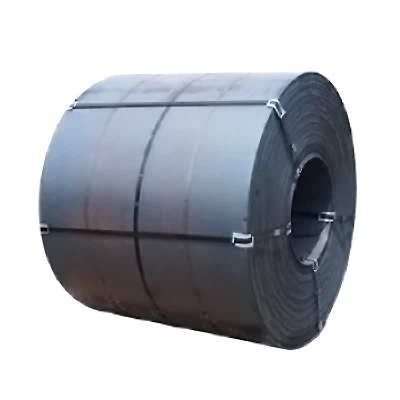
Qinhuangdao Aotong was founded in 2004,it is a geoup management enterprises with the collection of trade ,steel further processing and warehousing logistics .The three major business sector include the Aotong metal center and the Aotong logistics center .The factory covers an area of 202000 square meters.The company has established Chenggang Wuyang and other major steel mills and traders across the country.The main products include medium and heavy steel plates,hot rolled coils, cold rolled pickled plates ,profiles building materials,etc.,with annual sales of more than 300 thousand tons.In addition to serving many domestic end-users and large and medium-sized projects,the products are exported to Europe,South America and Southeast Asia.


Certifications


FAQ
Q: What does P335GH stand for?
Q: What is the typical composition of P335GH steel?
Q: How is P335GH steel processed?
Q: What are the typical mechanical properties of P335GH steel?
Q: What applications is P335GH steel most commonly used for?
Q: Is P335GH steel suitable for welding?
Q: What are the advantages of using P335GH steel?
Q: How is the quality of P335GH steel controlled during manufacturing?
Q: Can P335GH steel be used in marine environments?
Q: What is the maximum service temperature for P335GH steel?
Q: How does P335GH compare to other similar steels like ASTM A572 Gr.50?
Q: Can P335GH steel be hot-formed?
Q: Is P335GH steel magnetic?
Q: How does P335GH compare to low-alloy steels in terms of performance?
Q: What is the hardness of P335GH steel after quenching and tempering?
Q: Can P335GH steel be recycled?
Q: What are some common surface treatments for P335GH steel?
Q: What is the fatigue life of P335GH steel?
Q: Can P335GH steel be used in cryogenic applications?
Q: What are some alternatives to P335GH steel?
Hot Tags: p335gh, China p335gh manufacturers, suppliers, factory, pressure vessel plate delivery standards, pressure vessel plate market standards, pressure vessel plate packaging standards, pressure vessel plate price standards, pressure vessel plate inspection standards, pressure vessel plate testing standards


