Hey there! As a supplier of abrasion plates, I often get asked about the noise - reduction properties of these plates. In this blog, I'll dig deep into what makes abrasion plates good at reducing noise and how it can benefit you.
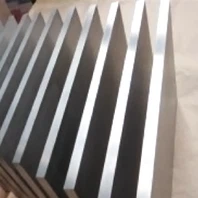
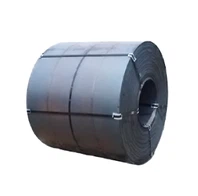
First off, let's understand what an abrasion plate is. Abrasion plates are tough, hard - wearing materials designed to resist wear and tear from friction, impact, and other abrasive forces. They're used in a wide range of industries, like mining, construction, and manufacturing. We offer different types of abrasion plates, such as NM550, NM360 Abrasion Resistant Plate, and NM600 Abrasion Steel Plate.
Now, onto the noise - reduction properties. Noise can be a real nuisance in industrial settings. It not only affects the safety and comfort of workers but can also lead to legal issues if noise levels exceed regulatory limits. Abrasion plates can play a crucial role in cutting down on that unwanted noise.
One of the main ways abrasion plates reduce noise is through their mass. You see, heavier materials tend to absorb and dampen sound waves better. Abrasion plates are usually made from thick, dense metals like steel, which have a high mass per unit area. When sound waves hit these plates, the energy of the waves is transferred into the material. The plate then vibrates, but instead of re - emitting the sound as loud noise, it dissipates the energy as heat. This process is known as sound absorption.


Another factor is the internal structure of the abrasion plate. High - quality abrasion plates are often heat - treated and have a fine - grained microstructure. This kind of structure can disrupt the propagation of sound waves. Sound waves travel through a material by causing the molecules to vibrate. In a fine - grained material, the irregularities in the grain boundaries scatter the sound waves, reducing their intensity. It's like trying to walk through a maze; the sound waves get lost and lose energy along the way.
Surface finish also matters. A smooth surface on an abrasion plate can reflect sound waves in a more controlled manner. When sound waves hit a rough surface, they can scatter in all directions, creating more noise. A smooth - finished abrasion plate can direct the sound waves away from the area where they're not wanted or into a sound - absorbing medium.
Let's talk about the different types of noise that abrasion plates can deal with. In industrial machinery, there are often two main types of noise: impact noise and vibration noise. Impact noise occurs when two objects collide. For example, in a mining operation, rocks may hit the abrasion plates lining a chute. The high - strength and shock - absorbing properties of abrasion plates can reduce the noise generated by these impacts. The plate deforms slightly on impact, absorbing the energy and reducing the force of the collision, which in turn cuts down on the noise.
Vibration noise, on the other hand, is caused by the vibration of machinery parts. Abrasion plates can act as vibration dampers. They're attached to vibrating surfaces, and as the surface vibrates, the plate absorbs the vibration energy and converts it into heat. This reduces the amplitude of the vibration and, consequently, the noise produced.
Now, you might be wondering how to choose the right abrasion plate for noise reduction. Well, it depends on a few things. First, consider the environment where the plate will be used. If it's a high - impact environment like a quarry, you'll need a plate with high strength and good shock - absorbing capabilities, such as NM600 Abrasion Steel Plate. For less - severe applications, NM360 Abrasion Resistant Plate might be sufficient.
Thickness is also important. Generally, thicker plates will offer better noise - reduction properties. But you also need to balance this with other factors like cost and weight. You don't want to over - engineer the solution and end up with a plate that's too heavy or expensive.
The installation method can also affect noise reduction. Properly installed abrasion plates are more effective at reducing noise. Make sure the plates are tightly secured to the surface. Any gaps or loose connections can allow sound waves to escape or cause additional vibration, increasing the noise level.
In addition to noise reduction, abrasion plates offer many other benefits. They can extend the lifespan of equipment by protecting it from wear and tear. This means less downtime for maintenance and replacement, which can save you a lot of money in the long run. They also improve the overall efficiency of machinery by reducing friction and preventing damage.
If you're in an industry where noise reduction is a concern, and you're looking for high - quality abrasion plates, we've got you covered. We've been in the abrasion plate business for years, and we know what it takes to provide the best products. Whether you need NM550, NM360 Abrasion Resistant Plate, or NM600 Abrasion Steel Plate, we can offer you the right solution tailored to your needs.
If you're interested in learning more about our abrasion plates or want to discuss your specific requirements, don't hesitate to reach out. We're here to help you find the perfect abrasion plate for your application and make sure you get the most out of it in terms of noise reduction and overall performance. Contact us today to start a conversation about your procurement needs.
References:
- "Materials Science and Engineering: An Introduction" by William D. Callister Jr. and David G. Rethwisch
- "Industrial Noise Control and Acoustics" by Clarence W. Mitchell