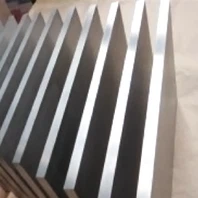
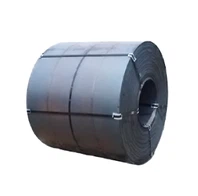
Hey there! As a heavy plate supplier, I've seen firsthand how crucial heavy plates are in the shipbuilding industry. In this blog, I'm gonna share with you the various applications of heavy plates in shipbuilding.
Hull Construction
The hull is the main body of a ship, and heavy plates play a vital role in its construction. They are used to form the outer shell of the hull, providing strength and durability to withstand the harsh marine environment. Heavy plates with high strength and good weldability are typically used for this purpose. For example, P460QL2 Vessel Plate A516GR70 is a popular choice for hull construction. It has excellent mechanical properties and can resist corrosion, making it suitable for long - term use in seawater.
The thickness of the heavy plates used in hull construction can vary depending on the size and type of the ship. Larger ships usually require thicker plates to ensure structural integrity. The plates are cut and bent into the required shapes and then welded together to form the hull structure. This process requires high - precision manufacturing techniques to ensure a tight fit and a strong bond between the plates.
Bulkheads and Decks
Bulkheads are vertical partitions within the ship that divide the interior into different compartments. They help to improve the ship's stability, prevent the spread of fire and water in case of an accident, and provide additional structural support. Heavy plates are used to construct bulkheads due to their high strength. S355J2 is a commonly used steel grade for bulkheads. It has good toughness and can withstand the forces exerted during normal ship operations.

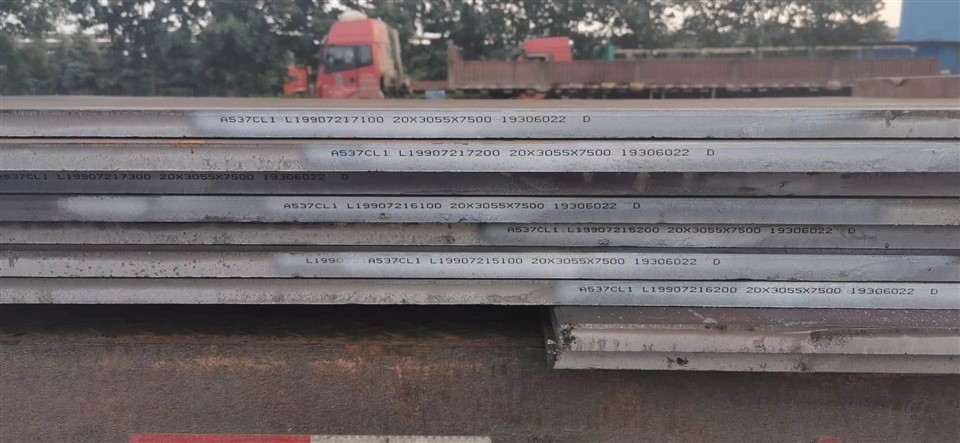
Decks, on the other hand, are horizontal platforms on the ship. They serve as working areas, storage spaces, and living quarters. Heavy plates are used to build the decks to support the weight of equipment, cargo, and people. The decks need to be strong enough to handle the dynamic loads caused by the ship's movement, such as waves and wind. The quality of the heavy plates used for decks is crucial to ensure the safety and functionality of the ship.
Machinery Foundations
Ships are equipped with various types of machinery, such as engines, generators, and pumps. These machines generate significant vibrations and forces during operation. Heavy plates are used to construct the machinery foundations to provide a stable base for the equipment. The foundations need to absorb and distribute the vibrations and forces evenly to prevent damage to the machinery and the ship's structure.
Asme Sa516 is often used for machinery foundations. It has high fatigue resistance and can withstand the repeated loading caused by the machinery's operation. The heavy plates are fabricated into the appropriate shapes and sizes to fit the specific requirements of the machinery. The installation of the machinery foundations requires careful alignment and fastening to ensure proper functioning of the equipment.
Offshore Structures on Ships
Many modern ships are equipped with offshore structures, such as cranes, helipads, and drilling platforms. These structures need to be strong and stable to operate safely in the marine environment. Heavy plates are used to build the frames and supports of these offshore structures.
For example, a crane on a ship needs a solid base and a strong arm to lift heavy loads. Heavy plates are used to construct the crane's pedestal and boom. The plates are selected based on their strength, toughness, and corrosion resistance. The design and construction of these offshore structures require a high level of engineering expertise to ensure they can withstand the harsh conditions at sea.
Ballast Tanks
Ballast tanks are used to adjust the ship's stability and trim by filling or emptying them with water. Heavy plates are used to construct the walls of the ballast tanks. The plates need to be resistant to corrosion since they are constantly in contact with seawater. Special coatings are often applied to the heavy plates used in ballast tanks to enhance their corrosion resistance.
The thickness and quality of the plates in ballast tanks are carefully selected to ensure the tanks can withstand the internal pressure of the water and the external forces exerted by the ship's movement. Any failure in the ballast tank structure can lead to stability problems for the ship, so the use of high - quality heavy plates is essential.
Advantages of Using Our Heavy Plates
As a heavy plate supplier, we offer a wide range of high - quality heavy plates for shipbuilding. Our plates are sourced from reliable manufacturers and undergo strict quality control procedures. We have a team of experts who can provide technical support and advice to our customers.
We understand the specific requirements of the shipbuilding industry and can offer customized solutions. Whether you need plates for hull construction, bulkheads, or machinery foundations, we can meet your needs. Our plates are available in different grades, thicknesses, and sizes to suit various shipbuilding projects.
Why Choose Us?
- Quality Assurance: We ensure that all our heavy plates meet the relevant international standards for shipbuilding. This means you can trust the reliability and performance of our products.
- Competitive Pricing: We offer competitive prices without compromising on quality. This helps you to keep your shipbuilding costs under control.
- Timely Delivery: We have a well - organized supply chain that enables us to deliver the heavy plates to your site on time. This ensures that your shipbuilding project stays on schedule.
If you're involved in shipbuilding and are looking for high - quality heavy plates, don't hesitate to get in touch with us. We're here to help you find the best solutions for your project. Whether you have a small - scale shipbuilding project or a large - scale commercial vessel construction, we can provide the right heavy plates for you. Contact us today to start a discussion about your requirements and let's work together to build great ships!
References
- Shipbuilding Technology Handbook
- Marine Engineering Manual
- Steel Plates for Shipbuilding Standards