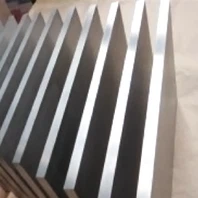
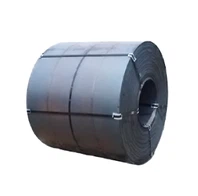
When delving into the world of high - strength steel plates, ASTM A514 stands out as a prominent material. As a supplier of ASTM A514, I've witnessed firsthand the wide - ranging applications and questions regarding its cost - effectiveness. This blog aims to dissect what truly determines the cost - effectiveness of ASTM A514 and how it compares to other high - strength steels in the market.
Understanding ASTM A514
ASTM A514 is a quenched and tempered alloy steel plate. It offers extremely high yield strength, typically starting from 100 ksi (690 MPa). This high strength makes it an ideal choice for applications where structural integrity under heavy loads is crucial. Common applications include construction equipment, heavy - duty machinery, bridges, and offshore platforms.
The production process of ASTM A514 involves quenching and tempering, which are heat - treatment processes. Quenching rapid - cools the steel from a high temperature, inducing a hard and strong microstructure. Tempering then follows to reduce the internal stresses and improve the toughness of the steel. This combination of processes results in a material that has both high strength and good ductility, which is essential for many engineering applications.
Cost Factors of ASTM A514
Raw Material Costs
The cost of raw materials is a significant factor in the price of ASTM A514. The alloying elements used in ASTM A514, such as chromium, nickel, and molybdenum, are relatively expensive. The prices of these elements can fluctuate based on global market conditions, including supply and demand, geopolitical factors, and mining output. When the cost of raw materials increases, the price of ASTM A514 also tends to rise.
Manufacturing Costs
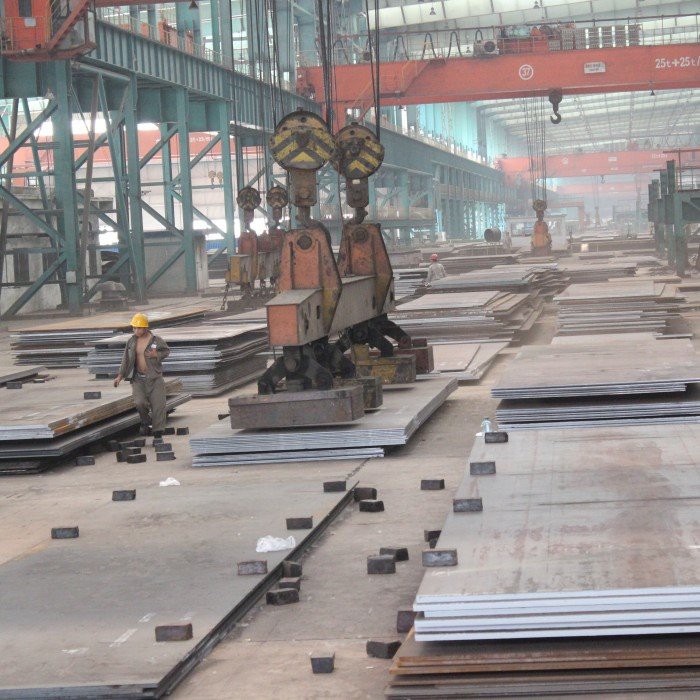
The complex heat - treatment process of quenching and tempering adds to the manufacturing costs. Specialized equipment is required for these processes, including furnaces capable of reaching high temperatures and quenching tanks. The handling of the steel during heat treatment also requires careful attention to ensure uniform heating and cooling, which can further increase labor and energy costs.
Quality Control Costs
To meet the strict standards set by ASTM, extensive quality control measures are necessary during the production of ASTM A514. Non - destructive testing methods, such as ultrasonic testing and magnetic particle inspection, are used to detect internal and surface defects. Chemical analysis is also performed to ensure the correct composition of the alloy. These quality control procedures add to the overall production cost.
Assessing the Effectiveness of ASTM A514
Strength - to - Weight Ratio
One of the primary advantages of ASTM A514 is its excellent strength - to - weight ratio. Because of its high yield strength, less material is needed to achieve the same level of structural performance compared to lower - strength steels. This results in weight savings, which can be significant in applications such as aerospace and transportation. For example, in the construction of cranes, using ASTM A514 can reduce the overall weight of the crane structure, allowing for easier transportation and more efficient operation.
Durability and Longevity
ASTM A514 has good resistance to wear, fatigue, and corrosion, especially when properly protected. This durability means that structures made from ASTM A514 have a longer service life. For instance, in offshore platforms exposed to harsh marine environments, the use of ASTM A514 can reduce maintenance requirements and extend the replacement cycle, offsetting the initial higher cost.
Design Flexibility
The high strength of ASTM A514 allows for more flexible design options. Engineers can design lighter and more slender structures without sacrificing structural integrity. This can lead to cost savings in construction, as less material is used, and in some cases, smaller foundations are required. For example, in the design of high - rise buildings, using ASTM A514 can reduce the amount of steel required and potentially reduce the overall building footprint.
Comparing ASTM A514 with Other High - Strength Steels
When comparing ASTM A514 with other high - strength steels such as S460QL, S690QL, and S690QL1, several factors need to be considered.
S460QL has a yield strength of 460 MPa, which is lower than ASTM A514. It is a more commonly used high - strength steel in general construction. Although the initial cost of S460QL may be lower, it may require more material to achieve the same level of performance as ASTM A514 in high - load applications. This can offset the cost advantage in the long run.
S690QL and S690QL1 have similar yield strengths to ASTM A514. However, the composition and manufacturing processes may vary among these steels. The choice between them often depends on specific project requirements, such as availability, local market prices, and the specific mechanical properties needed. For example, if a project requires better weldability, one of these steels may be more suitable.
Determining the Cost - Effectiveness in Different Applications
Construction Industry
In the construction industry, the cost - effectiveness of ASTM A514 depends on the project scale and requirements. For large - scale infrastructure projects, such as long - span bridges, the use of ASTM A514 can be highly cost - effective due to its strength - to - weight ratio and durability. Although the initial material cost may be higher, the reduction in construction time, maintenance costs, and the overall life - cycle cost can justify the expense.
For smaller construction projects, such as residential buildings, the cost of ASTM A514 may be less justifiable. The relatively high cost per ton compared to more common construction steels may make it less competitive, unless there are specific design requirements that demand its unique properties.
Machinery Manufacturing
In machinery manufacturing, ASTM A514 is often used in heavy - duty equipment. The high strength and durability of ASTM A514 can improve the performance and reliability of the machinery. In the long term, this can reduce downtime and maintenance costs, making it a cost - effective choice. For example, in the mining industry, equipment made from ASTM A514 can withstand the harsh operating conditions and heavy loads, reducing the need for frequent replacements.
Conclusion: The Overall Cost - Effectiveness of ASTM A514
Determining the cost - effectiveness of ASTM A514 is a complex process that involves considering multiple factors, including raw material and manufacturing costs, strength - to - weight ratio, durability, design flexibility, and application - specific requirements. In many high - load and long - term projects, the high initial cost of ASTM A514 can be offset by its long - term benefits, such as reduced maintenance, extended service life, and more efficient design.
For those considering the use of ASTM A514, it is essential to conduct a comprehensive cost - benefit analysis for your specific project. As a supplier of ASTM A514, I am well - equipped to provide you with detailed information and assistance. Whether you are an engineer, a contractor, or involved in any industry that requires high - strength steel, I encourage you to contact me for more in - depth discussions. We can analyze your unique needs and determine if ASTM A514 is the most cost - effective solution for your project.

References
- "ASTM A514 Specification for High - Yield - Strength, Quenched and Tempered Alloy Steel Plate, Suitable for Welding." ASTM International.
- "High - Strength Low - Alloy Steels: A Review of Properties and Applications." Journal of Materials Engineering and Performance.
- "Cost - Benefit Analysis in Engineering Design." Wiley Series in Systems Engineering and Management.