Obtaining the certification for ASME SA516 is a crucial step for suppliers in the steel industry, especially those dealing with pressure vessel plates. As a supplier of ASME SA516, I understand the significance of this certification in ensuring product quality, meeting industry standards, and gaining the trust of customers. In this blog, I will share some insights on how to obtain the certification for ASME SA516 based on my experience in the field.
Understanding ASME SA516
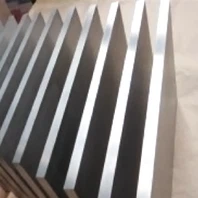
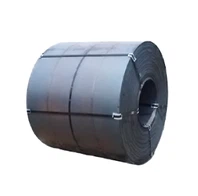
Before diving into the certification process, it's essential to have a clear understanding of what ASME SA516 is. ASME SA516 is a specification for pressure vessel plates, carbon steel, for moderate- and lower-temperature service. These plates are widely used in the construction of boilers, pressure vessels, and other applications where reliable performance under pressure and temperature is required. The specification covers various grades, including SA516 Grade 55, SA516 Grade 60, SA516 Grade 65, and SA516 Grade 70, each with different mechanical properties to suit different service conditions.
Prerequisites for Certification
To obtain the certification for ASME SA516, a supplier must meet several prerequisites. First and foremost, the supplier should have a well-established quality management system in place. This system should comply with the requirements of ASME Boiler and Pressure Vessel Code (BPVC), Section II, Part A, which provides the material specifications, and Section IX, which covers the welding and brazing qualifications.
The quality management system should include procedures for raw material procurement, production control, inspection, and testing. For example, the supplier should have a procedure for verifying the quality of incoming raw materials, ensuring that they meet the requirements of ASME SA516. During production, the supplier should implement strict process control measures to ensure that the plates are manufactured according to the specified dimensions, chemical composition, and mechanical properties.
In addition to the quality management system, the supplier should also have a competent technical team. The team should include engineers, technicians, and inspectors who are familiar with the ASME BPVC requirements and have the necessary skills and knowledge to carry out the manufacturing and testing processes.
The Certification Process
The process of obtaining the ASME SA516 certification typically involves the following steps:
1. Application
The first step is to submit an application to the ASME Accreditation Services. The application should include detailed information about the supplier's company, such as its name, address, contact information, and a description of its manufacturing facilities. The supplier should also provide information about its quality management system, including a copy of the quality manual and relevant procedures.
2. Documentation Review
Once the application is received, ASME will conduct a documentation review. The reviewers will examine the supplier's quality management system documentation to ensure that it complies with the requirements of the ASME BPVC. They will also review the supplier's manufacturing processes, inspection and testing procedures, and personnel qualifications.
3. On-Site Audit
After the documentation review, ASME will conduct an on-site audit of the supplier's manufacturing facilities. During the audit, the ASME auditors will verify the implementation of the quality management system and the compliance of the manufacturing processes with the ASME BPVC requirements. They will inspect the production equipment, review the production records, and witness the inspection and testing activities.


4. Product Testing
As part of the certification process, the supplier is required to submit samples of its ASME SA516 plates for testing. The samples will be tested in accordance with the requirements of ASME SA516 and other relevant standards. The tests typically include chemical analysis, mechanical property testing (such as tensile strength, yield strength, and elongation), and impact testing. The test results must meet the specified requirements to demonstrate the compliance of the plates with the ASME SA516 specification.
5. Certification Issuance
If the supplier passes the documentation review, on-site audit, and product testing, ASME will issue the certification for ASME SA516. The certification is typically valid for a certain period, after which the supplier will need to undergo a recertification process to maintain its compliance with the ASME BPVC requirements.
Maintaining the Certification
Obtaining the ASME SA516 certification is not a one-time event. To maintain the certification, the supplier must continuously comply with the ASME BPVC requirements. This includes regular internal audits to ensure the effectiveness of the quality management system, ongoing training of personnel to keep them updated with the latest standards and requirements, and continuous improvement of the manufacturing processes.
The supplier should also keep accurate records of its production, inspection, and testing activities. These records will be used for traceability purposes and to demonstrate compliance during the recertification process.
Benefits of Certification
Obtaining the ASME SA516 certification offers several benefits to the supplier. Firstly, it enhances the supplier's reputation in the market. Customers are more likely to trust a supplier that has been certified by ASME, as it indicates that the supplier's products meet the highest quality standards.
Secondly, the certification opens up new business opportunities. Many customers, especially those in the power generation, oil and gas, and chemical industries, require their suppliers to have ASME certification for the materials they supply. By having the ASME SA516 certification, the supplier can expand its customer base and increase its market share.
Moreover, the certification can also lead to cost savings in the long run. By implementing a quality management system and following the ASME BPVC requirements, the supplier can reduce the risk of product defects and recalls, which can be costly in terms of both money and reputation.
Related Products and Applications
As a supplier of ASME SA516, we also offer other related products, such as A572GR55 Heavy Plate and A572GR55 Heavy Plate. These low-alloy steel plates are known for their high strength and good weldability, making them suitable for a wide range of applications, including structural components in buildings, bridges, and machinery.
In addition, we also supply High Strength Plate, which is used in applications where high strength-to-weight ratio is required, such as in the automotive and aerospace industries.
Conclusion
Obtaining the certification for ASME SA516 is a complex but rewarding process for suppliers in the steel industry. By meeting the prerequisites, following the certification process, and maintaining the certification, a supplier can ensure the quality of its products, enhance its reputation, and expand its business opportunities.
If you are interested in purchasing ASME SA516 plates or other related products, we invite you to contact us for further discussion. Our team of experts is ready to provide you with detailed information and support to meet your specific requirements.
References
- ASME Boiler and Pressure Vessel Code (BPVC), Section II, Part A
- ASME Boiler and Pressure Vessel Code (BPVC), Section IX
- ASME Accreditation Services Guidelines