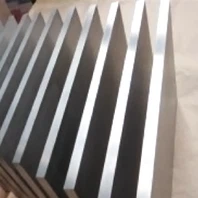
Hey there! As a supplier of ASTM A537CL2, I often get asked whether this steel can be cold - formed. So, let's dig into this topic and find out.
First off, let's understand what ASTM A537CL2 is. ASTM A537 is a standard specification for pressure vessel plates, heat - treated, carbon - manganese - silicon steel. Class 2, specifically, is quenched and tempered. This steel is known for its high strength and good notch toughness, which makes it suitable for use in pressure vessels and other critical applications where reliable performance is a must.
Now, onto the big question: Can it be cold - formed? Well, the short answer is yes, but there are some things we need to consider. Cold forming is a process where metal is shaped at room temperature. It's a popular method because it can save on energy costs compared to hot forming, and it can also sometimes result in better surface finish and dimensional accuracy.
One of the key factors that determines whether ASTM A537CL2 can be cold - formed is its mechanical properties. This steel has a relatively high yield strength and tensile strength due to the quenching and tempering process. When we cold - form a material, we're essentially applying stress to it. If the stress exceeds the material's yield strength, the material will deform plastically. For ASTM A537CL2, its high yield strength means that it can withstand a fair amount of stress during cold forming without permanent deformation.
However, we also need to be aware of the risk of cracking. Cold forming can introduce residual stresses in the material. If these stresses are too high, they can lead to cracking, especially in areas where there are pre - existing defects or stress concentrations. To minimize this risk, it's important to control the cold - forming process carefully. This includes things like using the right tools and dies, and controlling the amount of deformation per pass.
Another consideration is the thickness of the ASTM A537CL2 plate. Thicker plates are generally more difficult to cold - form than thinner ones. This is because the stress required to deform a thicker section is higher, and it's also more challenging to ensure uniform deformation across the thickness of the plate. As a supplier, I often work closely with my customers to determine the appropriate cold - forming process based on the plate thickness.
Let's talk about some real - world applications where cold - formed ASTM A537CL2 might be used. In the construction of pressure vessels, cold - forming can be used to create complex shapes such as heads and nozzles. The ability to cold - form this steel allows for more flexibility in the design and manufacturing process. For example, a pressure vessel manufacturer might use cold - formed ASTM A537CL2 to create a custom - shaped head that fits precisely into the vessel's design.
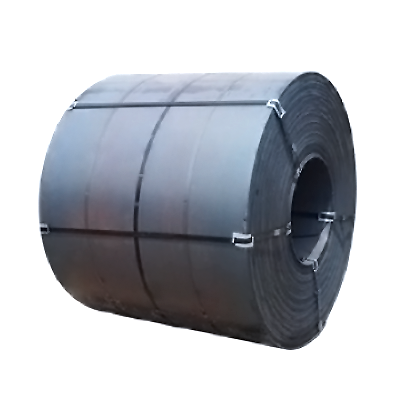
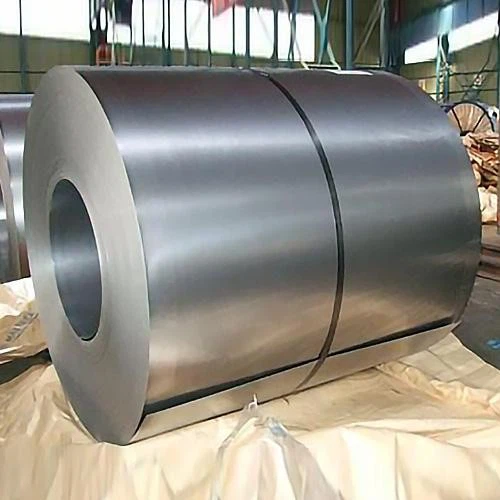
Now, let's compare ASTM A537CL2 with some other related steel grades. For instance, SA387GR11 A387 steel plate is also used in pressure vessel applications. SA387GR11 has different chemical and mechanical properties compared to ASTM A537CL2. It's a chromium - molybdenum steel, which gives it good resistance to high - temperature and high - pressure environments. When it comes to cold forming, SA387GR11 might have different characteristics. It might be more or less suitable for cold forming depending on the specific application requirements.
Another steel grade to consider is SA285GrA. SA285GrA is a carbon steel used for low - and intermediate - strength pressure vessels. It has a lower strength compared to ASTM A537CL2. This means that it might be easier to cold - form in some cases, but it might not be suitable for applications where high strength is required.
And then there's ASTM A537CL2 SA285GrB. SA285GrB is similar to SA285GrA but with slightly higher strength. Comparing it to ASTM A537CL2, the differences in their mechanical properties will affect their cold - forming behavior. ASTM A537CL2's quenched and tempered state gives it an edge in terms of strength, but it also means that we need to be more careful during cold forming.
When it comes to cold - forming ASTM A537CL2, it's also important to perform post - forming inspections. After the cold - forming process, the material should be inspected for any signs of cracking, excessive deformation, or changes in mechanical properties. Non - destructive testing methods such as ultrasonic testing and magnetic particle testing can be used to detect internal and surface defects respectively.
As a supplier, I always make sure to provide my customers with detailed technical information about ASTM A537CL2. This includes its chemical composition, mechanical properties, and recommendations for cold forming. I also work with them to develop custom solutions based on their specific needs. Whether they're building a small pressure vessel or a large industrial tank, I'm here to help them make the most of ASTM A537CL2.
In conclusion, ASTM A537CL2 can be cold - formed, but it requires careful planning and execution. By understanding its mechanical properties, controlling the cold - forming process, and performing proper inspections, we can ensure that the cold - formed parts meet the required quality standards. If you're considering using ASTM A537CL2 for your project and have questions about cold forming or any other aspect of this steel, don't hesitate to reach out. I'm always happy to have a chat and discuss how we can work together to achieve your goals.
References
- ASTM International standards for ASTM A537CL2
- Technical literature on cold forming of high - strength steels