

Products
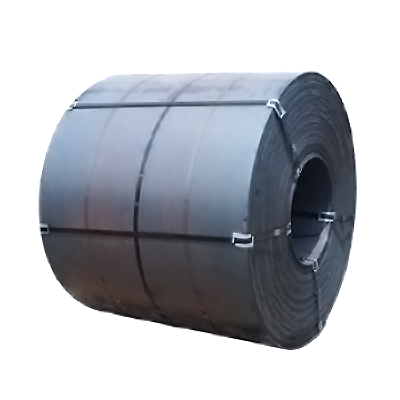

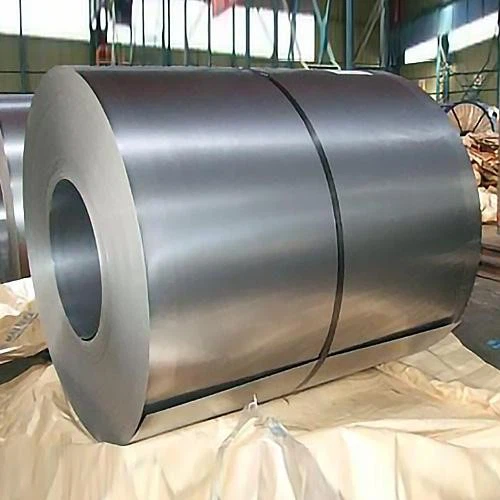
astm a537 16Mo3
Product introduction
ASTM A537 16Mo3 is a low alloy steel that meets the ASTM A537 standard. It is mainly used to manufacture boilers, heat exchangers, steam pipes and pressure vessels in high temperature environments. The "16" in its name means that the carbon content is about 0.16%, and the "Mo" represents the addition of molybdenum (0.25%-0.35%) to its alloy. ASTM A537 is a standardized pressure vessel steel plate specification. According to ASTM International standards, the typical yield strength of A537 steel plates ranges from 41-70 ksi (about 282-483 MPa) and the tensile strength is 60-85 ksi (about 414-586 MPa).
Product features
Excellent High Temperature Strength
ASTM A537 16Mo3 steel is added with 0.25%-0.35% molybdenum. The molybdenum element acts like a "reinforcing agent" in steel, helping the steel to remain strong at high temperatures and not easily softened or deformed. For example, at 500°C, the tensile strength of 16Mo3 is 440-590 MPa, and the yield strength is not less than 220 MPa, which is significantly higher than the tensile strength of ordinary carbon steel (about 350 MPa). This makes 16Mo3 particularly suitable for equipment such as heat exchangers, steam pipes and boilers, providing safe and reliable support under high temperature conditions.
Good Corrosion Resistance
The chemical composition design of ASTM A537 16Mo3 contains 0.25%-0.35% molybdenum (Mo) and 0.30%-0.50% manganese (Mn). The combination of these two elements significantly improves its anti-sulfurization and anti-oxidation properties. In equipment using sulfur gas, the corrosion rate of 16Mo3 is more than 50% lower than that of ordinary carbon steel. In high-temperature air simulating an industrial environment, the oxidation weight loss of 16Mo3 is only 0.002 grams per square centimeter, which is 1/3 of ordinary steel. This property makes 16Mo3 particularly suitable for reactors, heating pipes and other corrosive gas treatment equipment in refineries.
Good Processing Performance
The chemical composition and heat treatment process of ASTM A537 16Mo3 enable it to exhibit good machinability and formability during machining. The role of molybdenum element not only improves the strength of steel, but also makes steel more "obedient" and less likely to crack or deform when cutting or bending. Processing experiments show that under normal cutting speeds, the tool wear rate of 16Mo3 is 20% lower than that of ordinary carbon steel, and the machining accuracy error is less than 0.05 mm. This processing performance enables it to adapt to the needs of complex shapes and structures, such as curved tubes or porous plates used to manufacture heat exchangers, to meet the refined requirements of engineering projects.
Product parameters
EN10028-2 16MO3 Pressure Vessel And Boiler Steel Plate Chemical Composition
|
Grade |
C |
Mn |
Si max |
P max |
S max |
|
EN10028-2 16MO3 |
0.12-0.2 |
0.4-0.9 |
0.35 |
0.025 |
0.01 |
EN10028-2 16MO3 Pressure Vessel And Boiler Steel Plate Mechanical Property
|
Grade |
Tensile Strength(MPa) |
Yield Strength(MPa) |
% Elongation in 2 in.(50mm) min |
Impacting Test Temperature(°C) |
|
EN10028-2 16MO3 |
420-590 |
210 |
22 |
+20,0,-20 |
Product applications
Petrochemical Equipment
ASTM A537 16Mo3 is often used to manufacture key equipment such as reactors, heating furnaces, cracking units, and high-temperature pipelines in refineries. These equipment usually need to operate in an environment with high temperature and sulfide or other corrosive media. 16Mo3 can extend the service life of the equipment with its excellent anti-sulfidation corrosion performance and high-temperature stability.
Boilers And Pressure Vessels
ASTM A537 16Mo3 is widely used in the manufacture of high-temperature boilers and industrial steam generators in the power industry. These equipment need to withstand the dual test of high temperature and high pressure. For example, high-pressure boiler pipes used in the steam system of thermal power plants are widely selected for their high temperature resistance. In addition, it is also suitable for pressure vessels that store high-temperature liquids or gases, such as high-temperature storage tanks in chemical plants.
Heat Exchangers
Heat exchangers need to carry out heat transfer processes between cold and hot media at high temperature and high pressure. 16Mo3 is often used in these equipment to manufacture heat exchange tubes and heat exchange plates.
Power Station Equipment
ASTM A537 16Mo3 is an ideal material for steam pipes, superheaters, and reheater components in thermal power plants. These devices are often exposed to high-temperature steam exceeding 450°C. 16Mo3 can maintain high tensile strength, providing guarantee for the stable operation of the power station.
FAQs
Q: What is Foreign Trade-Express?
A: Foreign Trade Express is a one-stop intelligent foreign trade network marketing SaaS system platform.
Q: What is ASTM A537 16Mo3 steel and what does its name mean?
A: ASTM A537 16Mo3 is a low alloy steel that complies with the European EN10028-2 standard and is designed for high temperature pressure equipment. "16" means the carbon content is about 0.16%, "Mo" represents the addition of molybdenum, and "3" is its alloy grade.
Q: What are the main chemical components of ASTM A537 16Mo3?
A: The main chemical components of 16Mo3 include carbon (C) 0.12%-0.20%, manganese (Mn) 0.30%-0.50%, molybdenum (Mo) 0.25%-0.35%, and a small amount of silicon (Si), phosphorus (P) and sulfur (S).
Q: At what temperature can ASTM A537 16Mo3 be used?
A: ASTM A537 16Mo3 is suitable for high temperature environments within 500°C. It can still maintain a tensile strength of 440-590 MPa and a yield strength of not less than 220 MPa at 500°C, which is very suitable for high temperature and high pressure scenarios.
Q: How is the corrosion resistance of ASTM A537 16Mo3?
A: ASTM A537 16Mo3 has excellent anti-sulfurization and anti-oxidation properties due to the addition of molybdenum. For example, in a sulfur-containing atmosphere, its corrosion rate is more than 50% lower than that of ordinary carbon steel, making it suitable for corrosive environments such as chemical plants and refineries.
Q: What is the welding performance of ASTM A537 16Mo3? What should be paid attention to?
A: ASTM A537 16Mo3 has good welding performance, but it needs to be preheated to 200°C and post-weld heat treatment to avoid welding cracks and ensure that the weld strength is consistent with the parent material.
Q: What equipment is ASTM A537 16Mo3 mainly used for manufacturing?
A: ASTM A537 16Mo3 is widely used in the manufacture of boilers, pressure vessels, heat exchangers, high-temperature pipelines, and petrochemical equipment such as reactors, heating furnaces, and storage tanks.
Q: What are the advantages of ASTM A537 16Mo3 over ordinary carbon steel?
A: Compared with ordinary carbon steel, ASTM A537 16Mo3 has higher strength, better creep resistance, and stronger corrosion resistance in high temperature environments, and is particularly suitable for long-term high temperature and high pressure conditions.
Hot Tags: astm a537 16Mo3, China astm a537 16Mo3 manufacturers, suppliers, factory, pressure vessel plate testing standards, pressure vessel plate packaging standards, pressure vessel plate price standards, pressure vessel plate inspection standards, pressure vessel plate delivery standards, pressure vessel plate market standards


