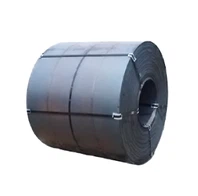
As a supplier of A387GR11CL2 plates, I often receive inquiries from clients regarding various specifications, and one question that comes up quite frequently is about the standard width tolerance for these plates. In this blog post, I will delve into this topic in detail, providing you with a comprehensive understanding of the width tolerance for A387GR11CL2 plates.

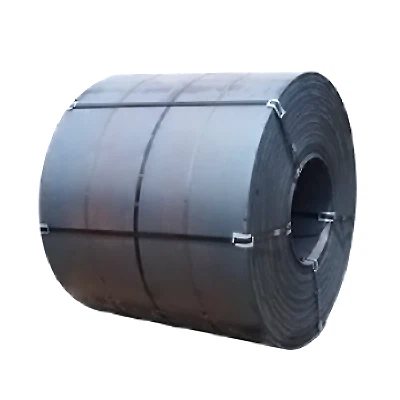
Understanding A387GR11CL2 Plates
Before we jump into the width tolerance, let's briefly understand what A387GR11CL2 plates are. A387GR11CL2 is a specification of chromium - molybdenum alloy steel plates used primarily for pressure vessels in high - temperature service. These plates are known for their excellent strength, corrosion resistance, and weldability, making them a popular choice in industries such as oil and gas, chemical processing, and power generation.
Importance of Width Tolerance
Width tolerance is a crucial factor in the manufacturing and application of A387GR11CL2 plates. In pressure vessel construction, precise dimensions are essential to ensure proper fit and function. If the width of the plates deviates significantly from the specified values, it can lead to problems during assembly, such as gaps or misalignments. This, in turn, can compromise the integrity of the pressure vessel and pose safety risks. Therefore, understanding and adhering to the standard width tolerance is of utmost importance.
Standard Width Tolerance for A387GR11CL2 Plates
The standard width tolerance for A387GR11CL2 plates is typically defined by relevant industry standards. The most commonly referenced standard for these plates is the ASTM A387/A387M standard. According to this standard, the width tolerance for A387GR11CL2 plates depends on the nominal width of the plate.
For plates with a nominal width less than or equal to 60 inches (1524 mm), the width tolerance is usually ± 1/8 inch (± 3.2 mm). This means that if the specified nominal width of a plate is 50 inches, the actual width of the plate can range from 49 7/8 inches to 50 1/8 inches.
For plates with a nominal width greater than 60 inches (1524 mm) up to 100 inches (2540 mm), the width tolerance is ± 3/16 inch (± 4.8 mm). For example, if the nominal width of a plate is 80 inches, the acceptable width range would be from 79 13/16 inches to 80 3/16 inches.
For plates with a nominal width greater than 100 inches (2540 mm), the width tolerance is ± 1/4 inch (± 6.4 mm).
It's important to note that these are general guidelines, and in some cases, specific customer requirements or project specifications may call for tighter tolerances. In such situations, it is essential to communicate these requirements clearly during the procurement process to ensure that the plates meet the desired standards.
Factors Affecting Width Tolerance
Several factors can influence the actual width tolerance achieved during the manufacturing process. One of the primary factors is the manufacturing equipment and technology used. Advanced rolling mills and precision cutting tools can help achieve more accurate width dimensions. However, even with the most advanced equipment, there is always a certain degree of variability due to factors such as material properties, temperature variations during processing, and operator skill.
Another factor is the quality control measures in place at the manufacturing facility. Regular inspections and measurements throughout the production process can help identify and correct any deviations from the specified width tolerance. A reliable supplier will have a robust quality control system to ensure that the plates meet the required standards.
Comparing with Other Plate Specifications
It's interesting to compare the width tolerance of A387GR11CL2 plates with other similar plate specifications. For example, SA516GR70 is another popular pressure vessel plate. The width tolerance for SA516GR70 plates follows similar principles, but the specific values may vary slightly depending on the thickness and width of the plates. Similarly, SA285GrA and P335GH plates also have their own defined width tolerances based on relevant standards.
Our Commitment as a Supplier
As a supplier of A387GR11CL2 plates, we are committed to providing high - quality products that meet or exceed the standard width tolerance requirements. We work closely with our manufacturing partners to ensure that the plates are produced using the latest technology and strict quality control measures. Our team of experts conducts thorough inspections at every stage of the production process to guarantee the accuracy of the width dimensions.
We understand that each customer's needs are unique, and we are willing to accommodate special requirements for tighter width tolerances if necessary. Our goal is to provide our customers with reliable and precise A387GR11CL2 plates that will perform well in their applications.
Contact Us for Procurement
If you are in the market for A387GR11CL2 plates or have any questions regarding width tolerance or other specifications, we encourage you to reach out to us. Our experienced sales team is ready to assist you with your procurement needs. Whether you need a small quantity for a prototype or a large volume for a major project, we can provide you with the right solutions. Contact us today to start the procurement process and discuss how we can meet your specific requirements.
References
- ASTM A387/A387M Standard Specification for Pressure Vessel Plates, Alloy Steel, Chromium - Molybdenum
- Industry literature on pressure vessel plate manufacturing and quality control