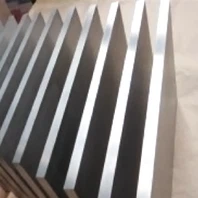
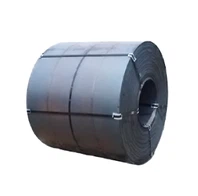
Hey there! I'm a supplier of clad plates, and today I wanna chat about how to transport these awesome products. Clad plates are super useful, combining the best of different materials, and getting them safely from our place to yours is a big deal.
First off, let's talk about the types of clad plates we offer. We've got some really cool options like the A537CL2+304L - Stainless Steel Clad Plate, the A516GR70 +304L Clad Plate, and the S355JR+304L. Each of these has its own unique features and uses, but no matter which one you choose, proper transportation is key.
Packaging
Before we even think about moving the clad plates, we need to make sure they're well - packaged. This is the first line of defense to protect them during transit.
For smaller clad plates, we usually use wooden crates. These crates are sturdy and can withstand a fair amount of jostling. We line the inside of the crates with soft materials like foam or rubber pads. This helps to prevent any scratches or dents on the surface of the plates. We stack the plates carefully inside the crate, making sure there's enough padding between each layer.
For larger clad plates, we might use steel frames or custom - made racks. These are designed to hold the plates securely in place. We use straps or chains to fasten the plates to the frames, so they don't shift around during transportation. And just like with the smaller plates, we add padding to protect the surface.
Choosing the Right Transport Method
There are a few different ways to transport clad plates, and the choice depends on a few factors like the size and weight of the plates, the distance they need to travel, and the urgency of the delivery.
Road Transport
Road transport is probably the most common method for local or regional deliveries. Trucks are a great option because they offer a lot of flexibility. We can choose the right size of truck based on the quantity of clad plates we're shipping. For smaller orders, a pickup truck or a small flatbed truck might be enough. For larger orders, we'll use a semi - trailer.
One of the advantages of road transport is that we can monitor the delivery more closely. We can track the truck's location in real - time and make sure it's on schedule. However, there are also some challenges. Traffic can be a big issue, especially in busy cities. And long - distance road trips can expose the plates to different weather conditions, which we need to account for.
Rail Transport
Rail transport is a good choice for long - distance deliveries, especially if we're shipping a large volume of clad plates. Trains can carry a huge amount of weight, and they're generally more fuel - efficient than trucks. This makes them a more environmentally friendly option.
When using rail transport, we load the clad plates onto special railcars. These railcars are designed to handle heavy and bulky items. Just like with road transport, we make sure the plates are well - secured on the railcar to prevent any movement during the journey. The downside of rail transport is that it's not as flexible as road transport. We need to have access to a railway station near the pickup and delivery points, and the schedules are less flexible.
Sea Transport
If we're shipping clad plates overseas, sea transport is the way to go. Container ships are the most common vessels used for this purpose. We can either use standard shipping containers or open - top containers, depending on the size and shape of the plates.
Sea transport can take a while, sometimes weeks depending on the destination. But it's a very cost - effective option for large - scale international shipments. We need to be extra careful when shipping by sea because the plates will be exposed to saltwater and harsh weather conditions. We use special coatings and packaging to protect the plates from corrosion.
Handling During Transport
Once the clad plates are on the move, how we handle them is crucial. During loading and unloading, we use proper lifting equipment. For smaller plates, we might use forklifts. Forklifts are great because they can easily pick up and move the plates around. But we need to make sure the forklift operator is experienced and knows how to handle clad plates safely.
For larger plates, we use cranes. Cranes can lift heavy weights and place the plates exactly where we need them. When using a crane, we attach the plates to the lifting hooks using slings or chains. We make sure the slings are properly positioned to distribute the weight evenly and prevent any damage to the plates.
During the journey, we also need to be aware of how the vehicle or vessel is moving. Sharp turns, sudden stops, or rough roads can all cause the plates to shift or collide with each other. That's why we make sure the plates are well - secured and that the driver or captain follows a smooth driving or sailing route as much as possible.
Weather Considerations
Weather can have a big impact on the transportation of clad plates. Rain, snow, and extreme heat can all cause problems.
If it's raining or snowing, we need to make sure the plates are covered. For road transport, we use tarps to protect the plates from getting wet. On a ship, the containers are sealed to keep out the water. If the plates get wet, they're at risk of rusting, especially if they're not properly coated.
Extreme heat can also be an issue. High temperatures can cause the plates to expand, which might lead to warping or other structural problems. During hot weather, we try to schedule the transportation during the cooler parts of the day, like early morning or late evening. And we make sure the plates are well - ventilated during transit to prevent heat buildup.
Insurance
No matter how careful we are, there's always a small risk of something going wrong during transportation. That's why we always recommend getting insurance for the clad plates. Insurance can provide financial protection in case of damage, loss, or theft during transit.
We work with reliable insurance companies to get the best coverage for our shipments. The cost of insurance depends on the value of the plates, the transport method, and the destination. It's a small price to pay for the peace of mind that comes with knowing your investment is protected.
Conclusion
Transporting clad plates is a complex process that requires careful planning and attention to detail. From proper packaging to choosing the right transport method, handling during transit, and dealing with weather conditions, every step is important to ensure that the plates arrive at your doorstep in perfect condition.
If you're interested in our clad plates, whether it's the A537CL2+304L - Stainless Steel Clad Plate, the A516GR70 +304L Clad Plate, or the S355JR+304L, don't hesitate to reach out. We're here to answer all your questions and help you with your purchase. We can also provide you with a detailed transportation plan based on your specific needs. Let's start a conversation and get the right clad plates to you safely and efficiently.
References
- "Transportation Logistics Handbook" by John J. Coyle, Edward J. Bardi, and C. John Langley Jr.
- "Shipping and Logistics for Industrial Goods" by various industry experts.