What are the inspection regulations for Pressure Vessel Plate in pressure vessels?
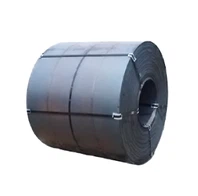
As a supplier of Pressure Vessel Plates, I've witnessed firsthand the critical role these plates play in the safety and functionality of pressure vessels. Pressure vessels are used in a wide range of industries, from oil and gas to chemical processing, and the quality of the Pressure Vessel Plates is of utmost importance. In this blog, I'll delve into the inspection regulations for Pressure Vessel Plates in pressure vessels.
1. Material Quality Inspection
The first step in ensuring the quality of Pressure Vessel Plates is to inspect the raw materials. The chemical composition of the plates must meet the specified standards. For example, the carbon content, manganese, sulfur, and phosphorus levels are strictly regulated. These elements can significantly affect the mechanical properties of the plates, such as strength, ductility, and corrosion resistance.
We often supply high - quality plates like SA285GrC A387GR11CL2. These plates are known for their excellent performance in pressure vessel applications. Before they are used, a comprehensive chemical analysis is carried out. This can be done through methods such as spectrochemical analysis, which can accurately determine the elemental composition of the plates.
In addition to chemical composition, the physical properties of the plates also need to be inspected. Tensile strength, yield strength, and elongation are key parameters. Tensile tests are commonly conducted to measure these properties. A sample of the plate is taken and pulled in a testing machine until it breaks. The maximum load the sample can withstand before breaking is recorded as the tensile strength, and the stress at which the material begins to deform plastically is the yield strength.
2. Surface Quality Inspection
The surface quality of Pressure Vessel Plates is another crucial aspect. Any surface defects can act as stress concentrators, which may lead to crack initiation and propagation under pressure. Surface cracks, scratches, and pits are strictly prohibited.
Visual inspection is the most basic method for surface quality assessment. Inspectors carefully examine the entire surface of the plates to identify any visible defects. For more detailed inspection, non - destructive testing (NDT) methods can be used. Magnetic particle inspection (MPI) is suitable for ferromagnetic materials. It can detect surface and near - surface defects by applying a magnetic field and magnetic particles to the surface of the plate. If there is a defect, the magnetic field will be disrupted, and the magnetic particles will accumulate at the defect location, making it visible.
Ultrasonic testing (UT) is also widely used. It uses high - frequency sound waves to detect internal and surface defects. The sound waves are transmitted into the plate, and any defects will cause reflections of the waves, which can be detected by a receiver.
We also supply P335GH Pressure Plate SA516GR70. These plates require strict surface quality control to ensure their long - term performance in pressure vessels.
3. Dimensional Inspection
Accurate dimensions of Pressure Vessel Plates are essential for proper assembly and functionality of pressure vessels. The thickness, width, and length of the plates must be within the specified tolerances.
Thickness measurement is a critical part of dimensional inspection. It can be done using mechanical calipers or ultrasonic thickness gauges. Mechanical calipers are suitable for measuring relatively thin plates, while ultrasonic thickness gauges are more accurate for thicker plates. They work by measuring the time it takes for an ultrasonic pulse to travel through the plate and back.
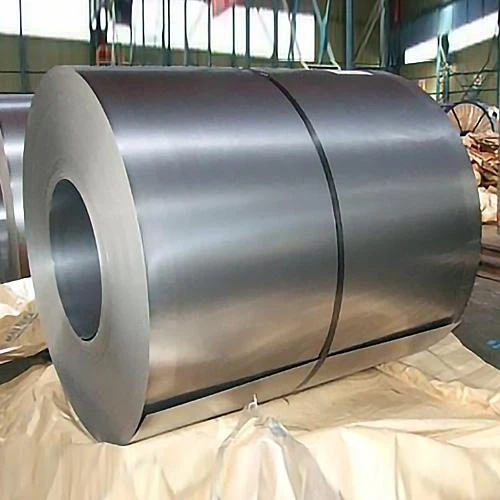
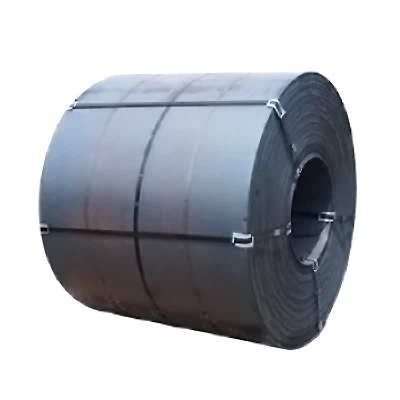
Width and length measurements are usually carried out using measuring tapes or laser measuring devices. Any deviation from the specified dimensions can cause problems during the fabrication of pressure vessels, such as improper fitting or increased stress concentrations.
4. Heat Treatment Inspection
Heat treatment is an important process for Pressure Vessel Plates as it can improve their mechanical properties. After heat treatment, the plates need to be inspected to ensure that the desired properties have been achieved.
Hardness testing is commonly used to evaluate the effect of heat treatment. Rockwell hardness testing or Brinell hardness testing can be employed. These tests measure the resistance of the material to indentation. A hard indenter is pressed into the surface of the plate, and the size of the indentation is measured. The hardness value can indicate whether the heat treatment process has been carried out correctly.
Microstructural analysis is also necessary. By examining the microstructure of the plate under a microscope, we can determine if the heat treatment has resulted in the desired phase transformations and grain structures. For example, a fine - grained structure is often preferred for better mechanical properties.
5. Certification and Documentation
In addition to the above inspections, proper certification and documentation are required for Pressure Vessel Plates. The plates should come with a material certificate that includes information about the chemical composition, mechanical properties, heat treatment, and inspection results.
This documentation is crucial for traceability and quality control. It allows end - users and regulatory authorities to verify the quality of the plates. As a supplier, we ensure that all our products, including P335GH, are accompanied by complete and accurate documentation.
6. Compliance with Standards and Regulations
Pressure Vessel Plates must comply with various national and international standards and regulations. In the United States, the American Society of Mechanical Engineers (ASME) Boiler and Pressure Vessel Code is widely followed. This code sets out detailed requirements for the design, fabrication, inspection, and testing of pressure vessels and their components.
In Europe, the Pressure Equipment Directive (PED) is applicable. It ensures the safety of pressure equipment placed on the European market. Our company is committed to meeting these standards and regulations to provide high - quality Pressure Vessel Plates to our customers.
Conclusion
The inspection regulations for Pressure Vessel Plates in pressure vessels are comprehensive and strict. From material quality to surface quality, dimensional accuracy, heat treatment, and documentation, every aspect is carefully regulated to ensure the safety and reliability of pressure vessels.
As a Pressure Vessel Plate supplier, we understand the importance of these regulations. We have a professional quality control team and advanced inspection equipment to ensure that all our products meet the highest standards. If you are in the market for high - quality Pressure Vessel Plates, we invite you to contact us for procurement and negotiation. We are ready to provide you with the best products and services.
References
- American Society of Mechanical Engineers (ASME). Boiler and Pressure Vessel Code.
- European Union. Pressure Equipment Directive (PED).
- Various industry - specific standards and guidelines related to pressure vessel manufacturing.