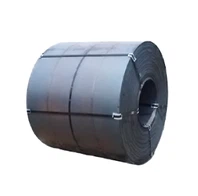
Hey there! As a supplier of plate astm a516 gr 70, I often get asked about the magnetic property of this material. So, I thought I'd write up a blog post to share what I know and clear up any confusion.
First off, let's talk a bit about what astm a516 gr 70 is. It's a carbon steel plate that's commonly used in the fabrication of pressure vessels. These vessels are used in a wide range of industries, from oil and gas to chemical processing. The A516 standard specifies the requirements for this type of steel, and grade 70 is one of the most popular grades due to its good strength and toughness properties at moderate temperatures.
Now, onto the magnetic property. Plate astm a516 gr 70 is ferromagnetic, which means it's strongly attracted to magnets. This is because it contains iron, which is one of the key elements that exhibit ferromagnetism. Ferromagnetic materials have a unique atomic structure where the magnetic moments of the atoms align in a particular way, creating a strong magnetic field.
The magnetic property of astm a516 gr 70 can be quite useful in many applications. For example, in the manufacturing process, magnetic separation techniques can be used to separate the steel plates from other non - magnetic materials. This helps in the efficient handling and processing of the plates. Also, in quality control, magnetic testing can be employed to detect any internal defects or inhomogeneities in the plates. Magnetic particle inspection (MPI) is a common non - destructive testing method used for ferromagnetic materials like astm a516 gr 70. In MPI, a magnetic field is applied to the plate, and if there are any surface or near - surface defects, the magnetic flux lines will be disrupted, and magnetic particles will accumulate at the defect locations, making them visible.
However, the magnetic property can also have some limitations. In some electrical applications, the ferromagnetic nature of the steel can cause problems. For instance, in high - frequency electrical equipment, the magnetic field generated by the steel can interfere with the electrical signals, leading to performance issues.
When comparing astm a516 gr 70 with other related steel plates, it's interesting to note the differences in their magnetic properties. Take the SA516GR70 for example. It has similar magnetic characteristics as astm a516 gr 70 since they are essentially the same material with different naming conventions in some regions.
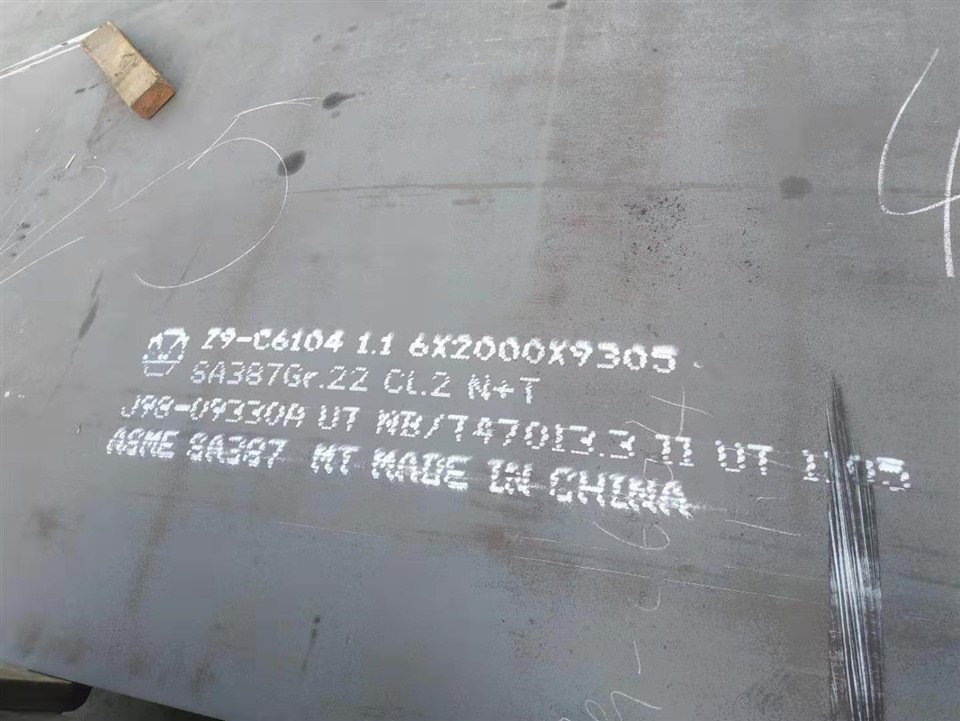
On the other hand, the SA387GR11 A387 steel plate is a chromium - molybdenum alloy steel. While it also contains iron and is ferromagnetic, its alloying elements can modify its magnetic properties to some extent. The addition of chromium and molybdenum can change the atomic structure and the way the magnetic moments align, which may result in a slightly different magnetic behavior compared to astm a516 gr 70.
The SA285GrC A387GR11CL2 is another carbon steel plate used in pressure vessel applications. Similar to astm a516 gr 70, it's ferromagnetic due to the presence of iron. But, its carbon content and other alloying elements are different, which can affect its overall magnetic and mechanical properties.
As a supplier, I've seen the importance of understanding these magnetic properties in the real - world. When customers come to me for astm a516 gr 70 plates, I always make sure to discuss how the magnetic property might impact their specific applications. Whether it's for a simple storage tank or a complex chemical reactor, having a clear understanding of the magnetic behavior can help in making the right choices.
If you're in the market for astm a516 gr 70 plates, I'd love to have a chat with you. Whether you have questions about the magnetic property or any other aspect of the material, I'm here to help. We can discuss your project requirements in detail and figure out the best solution for you. So, don't hesitate to reach out and start a conversation about your procurement needs.

References
- ASME Boiler and Pressure Vessel Code, Section II, Part A: Ferrous Material Specifications
- ASTM A516/A516M - 17 Standard Specification for Pressure Vessel Plates, Carbon Steel, for Moderate and Lower Temperature Service