In the food industry, the selection of materials for equipment is of utmost importance due to the strict requirements for safety, hygiene, and compliance with regulations. Pressure vessel plates are commonly used in various industrial applications, but the question arises: Can pressure vessel plate be used in the food industry? As a pressure vessel plate supplier, I will explore this topic in detail to provide a comprehensive understanding.
Characteristics of Pressure Vessel Plates
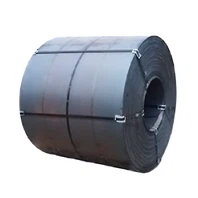
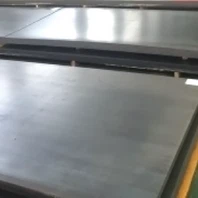
Pressure vessel plates are designed to withstand high pressure and are typically made from carbon steel, alloy steel, or stainless steel. These plates have specific mechanical properties, such as high strength, good toughness, and resistance to corrosion. The manufacturing process of pressure vessel plates involves strict quality control to ensure they meet the required standards.
Requirements in the Food Industry
The food industry has unique requirements for materials used in equipment. These requirements include:
- Hygiene and Safety: Materials must be non - toxic and resistant to corrosion to prevent contamination of food products. They should not release any harmful substances into the food during processing, storage, or transportation.
- Cleanability: Equipment surfaces should be easy to clean to prevent the growth of bacteria and other microorganisms. Smooth and non - porous surfaces are preferred.
- Compliance with Regulations: The materials used in the food industry must comply with relevant national and international regulations, such as the FDA (Food and Drug Administration) regulations in the United States and the EU food contact regulations.
Suitability of Pressure Vessel Plates for the Food Industry
Stainless Steel Pressure Vessel Plates
Stainless steel is one of the most suitable materials for the food industry. It has excellent corrosion resistance, which is crucial for preventing rust and contamination of food. Stainless steel pressure vessel plates, such as those made from grades like 304 and 316, are widely used in food processing equipment.
304 stainless steel contains 18% chromium and 8% nickel, providing good general corrosion resistance. It is suitable for most food processing applications where the environment is not highly corrosive. 316 stainless steel, on the other hand, contains molybdenum, which enhances its resistance to pitting and crevice corrosion. It is often used in more aggressive environments, such as those involving saltwater or acidic foods.
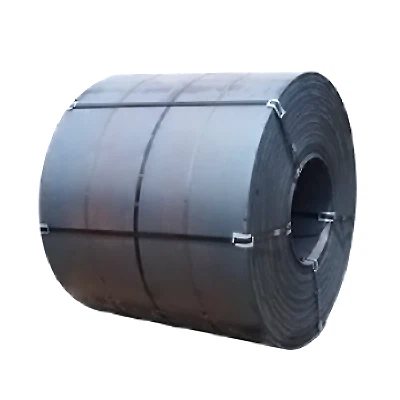
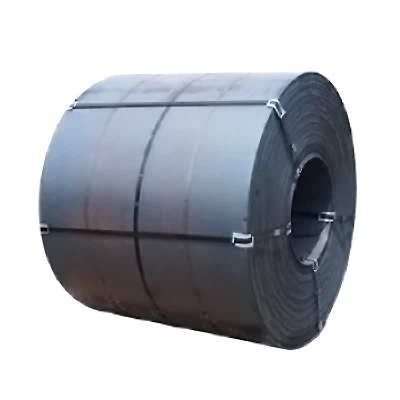
Stainless steel pressure vessel plates also have smooth surfaces, which are easy to clean and sanitize. They can be polished to a high finish, further reducing the risk of bacteria growth. Additionally, stainless steel is non - toxic and does not react with food, ensuring the safety of food products.
Carbon and Alloy Steel Pressure Vessel Plates
Carbon and alloy steel pressure vessel plates are not as commonly used in the food industry as stainless steel. These materials are more prone to corrosion, especially in the presence of moisture and certain chemicals. However, they can be used in some specific applications with proper coatings or linings.
For example, if a carbon steel pressure vessel is lined with a food - grade epoxy coating, it can be used to store certain non - corrosive food products. The coating acts as a barrier between the steel and the food, preventing direct contact and corrosion. However, the coating must be carefully selected and applied to ensure it meets the food safety requirements.
Specific Products and Their Applications
- P335GH Pressure Plate SA516GR70: This type of pressure vessel plate is a high - quality carbon steel plate. While it may not be directly used in contact with food due to its susceptibility to corrosion, it can be used in the structural components of food processing equipment, such as the frames or supports. You can learn more about it P335GH Pressure Plate SA516GR70.
- SA285GrA: SA285GrA is a low - carbon steel plate. Similar to P335GH, it can be used in non - food - contact parts of food processing facilities. It provides good strength and is cost - effective. For more information, visit SA285GrA.
- P275NL1: P275NL1 is a normalized fine - grain steel plate. It can be used in some applications where moderate strength and good toughness are required. Similar to the above two products, it is more suitable for non - food - contact parts. You can find more details P275NL1.
Advantages of Using Pressure Vessel Plates in the Food Industry
- Strength and Durability: Pressure vessel plates are designed to withstand high pressure, which is important in some food processing operations, such as high - pressure sterilization or pressurized storage. Their high strength and durability ensure the long - term reliability of the equipment.
- Customization: Pressure vessel plates can be customized to meet the specific requirements of food processing equipment. They can be cut, shaped, and welded to form various types of vessels and structures.
- Cost - effectiveness: In some cases, using pressure vessel plates can be a cost - effective solution compared to other materials. For example, carbon steel plates are generally less expensive than stainless steel plates, and with proper coatings, they can still be used in certain applications.
Challenges and Considerations
- Corrosion Prevention: As mentioned earlier, corrosion is a major concern when using pressure vessel plates in the food industry. Proper corrosion prevention measures, such as using stainless steel or applying coatings, must be taken to ensure the safety of food products.
- Regulatory Compliance: It is essential to ensure that the pressure vessel plates and any associated coatings or linings comply with the relevant food safety regulations. This may require additional testing and certification.
- Hygiene Design: The design of the equipment using pressure vessel plates should also consider hygiene factors. For example, there should be no crevices or dead spaces where food particles can accumulate, as this can lead to bacterial growth.
Conclusion
In conclusion, pressure vessel plates can be used in the food industry, but the choice of material depends on the specific application and requirements. Stainless steel pressure vessel plates are the most suitable for direct contact with food due to their excellent corrosion resistance, hygiene properties, and compliance with regulations. Carbon and alloy steel plates can be used in non - food - contact parts with proper coatings or linings.
As a pressure vessel plate supplier, we offer a wide range of products to meet the diverse needs of the food industry. Whether you need stainless steel plates for food - processing vessels or carbon steel plates for structural components, we can provide high - quality solutions. If you are interested in purchasing pressure vessel plates for your food industry applications, please feel free to contact us for further discussion and negotiation. We are committed to providing you with the best products and services to ensure the success of your projects.
References
- ASME Boiler and Pressure Vessel Code
- FDA Food Contact Substances Notification Program
- EU Food Contact Regulations