What is the long - term performance of ASTM A537 in service?
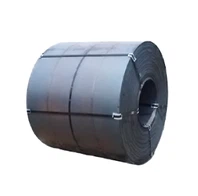
As a supplier of ASTM A537, I've had the privilege of witnessing firsthand how this material performs over the long term in various applications. ASTM A537 is a specification for pressure vessel plates that are heat - treated, quenched, and tempered carbon - manganese - silicon steel. It is widely used in industries such as petrochemical, power generation, and food processing due to its excellent mechanical properties and weldability.
Mechanical Properties and Their Long - Term Stability
One of the key factors contributing to the long - term performance of ASTM A537 is its mechanical properties. The material typically has a minimum yield strength of 345 MPa and a minimum tensile strength of 485 MPa. These high strength values ensure that the pressure vessels made from ASTM A537 can withstand high internal pressures over extended periods.
Over time, the mechanical properties of ASTM A537 remain relatively stable under normal operating conditions. The heat - treatment process used in its production creates a fine - grained microstructure that resists deformation and cracking. However, in harsh environments, such as those with high temperatures or corrosive substances, the material may experience some degradation. For example, at elevated temperatures, the strength of the steel may gradually decrease due to creep, a time - dependent deformation process. But with proper design and maintenance, these effects can be minimized.
Weldability and Its Impact on Long - Term Integrity
Weldability is another crucial aspect of ASTM A537's long - term performance. Good weldability means that the material can be joined easily without significant loss of strength or ductility at the weld joints. ASTM A537 has excellent weldability, which allows for the fabrication of complex pressure vessel structures.
During the welding process, proper procedures must be followed to ensure the long - term integrity of the welds. Pre - heating and post - weld heat treatment are often required to reduce residual stresses and prevent the formation of brittle microstructures. If these steps are not carried out correctly, the welds may become weak points in the pressure vessel, leading to premature failure over time. However, when welded properly, the joints can maintain their strength and durability for many years, contributing to the overall long - term performance of the vessel.
Corrosion Resistance
Corrosion is a major concern for any material used in industrial applications, and ASTM A537 is no exception. While it is a carbon steel and is not inherently corrosion - resistant like stainless steel, it can be protected through various means.
In a normal atmospheric environment, ASTM A537 may develop a thin layer of rust over time. This rust layer can act as a barrier to some extent, slowing down further corrosion. However, in more aggressive environments, such as those with high humidity, saltwater, or acidic substances, additional protection is necessary. Coatings, such as paint or epoxy, can be applied to the surface of the pressure vessel to prevent direct contact between the steel and the corrosive medium. Cathodic protection can also be used in some cases to protect the steel from corrosion.
If corrosion is not properly managed, it can lead to a reduction in the thickness of the pressure vessel walls, weakening the structure and potentially causing leaks or failures. Therefore, regular inspection and maintenance to monitor the corrosion status of ASTM A537 components are essential for ensuring their long - term performance.
Comparison with Other Pressure Vessel Materials
To better understand the long - term performance of ASTM A537, it is useful to compare it with other common pressure vessel materials. For example, P275NL1 is a European standard pressure vessel steel. P275NL1 has good toughness and weldability, similar to ASTM A537. However, its chemical composition and mechanical properties are slightly different. ASTM A537 generally has higher strength values, which may make it more suitable for applications with higher pressure requirements.
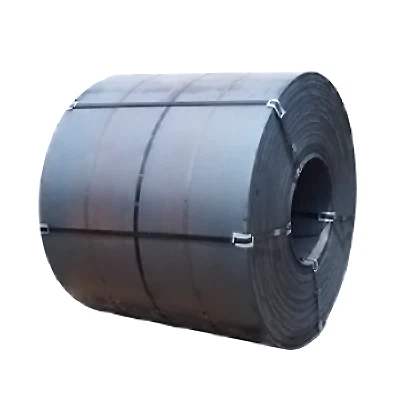

Another material is 16Mo3. 16Mo3 is a chromium - molybdenum steel that is often used in high - temperature applications. It has better high - temperature strength and creep resistance compared to ASTM A537. But ASTM A537 is more cost - effective in many cases and can still perform well in moderate - temperature applications.
SA285GrA is a carbon steel used for pressure vessels. It has lower strength compared to ASTM A537. ASTM A537's higher strength allows for the design of thinner - walled pressure vessels, which can save on material costs and weight while still maintaining the required safety margins.
Case Studies of Long - Term Service
There are numerous case studies that demonstrate the long - term performance of ASTM A537 in real - world applications. In a petrochemical plant, pressure vessels made from ASTM A537 have been in service for over 20 years. These vessels are used to store and process various chemicals under high pressure. Regular inspections have shown that the vessels are still in good condition, with only minor signs of corrosion on the external surfaces. The welds remain intact, and the mechanical properties of the steel have not significantly changed.
In a power generation facility, ASTM A537 pressure vessels are used in the steam generation system. Despite being exposed to high - temperature steam for many years, the vessels have maintained their structural integrity. The proper use of protective coatings and regular maintenance have helped to prevent corrosion and ensure the long - term performance of the vessels.
Conclusion and Call to Action
In conclusion, ASTM A537 has shown excellent long - term performance in a wide range of industrial applications. Its high strength, good weldability, and the ability to be protected against corrosion make it a reliable choice for pressure vessel construction. However, proper design, fabrication, and maintenance are essential to ensure its long - term performance.
If you are in the market for high - quality pressure vessel materials, I encourage you to consider ASTM A537. Our company has extensive experience in supplying ASTM A537 and can provide you with the best - quality products and technical support. Whether you are building a new pressure vessel or replacing an existing one, we can work with you to meet your specific requirements. Contact us today to start a discussion about your procurement needs and how ASTM A537 can benefit your project.
References
- ASME Boiler and Pressure Vessel Code
- ASTM International standards for ASTM A537
- Industry reports on the performance of pressure vessel materials