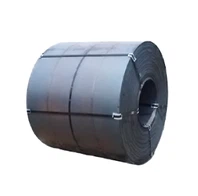
Hey there! I'm an ASTM A537CL2 supplier, and today I wanna chat about the effects of rolling on the texture of ASTM A537CL2.
First off, let's get a bit of background. ASTM A537CL2 is a type of steel plate that's widely used in pressure vessel applications. It's known for its good strength, toughness, and weldability. Rolling is a crucial process in the production of these steel plates, and it has a significant impact on the final texture of the material.
How Rolling Affects the Grain Structure
When we roll ASTM A537CL2, the steel goes through a deformation process. During rolling, the grains in the steel are elongated in the direction of rolling. This elongation changes the grain structure of the steel. In the initial stages of rolling, the grains start to flatten and stretch out. As the rolling continues, the grains become more and more aligned in the rolling direction.
This alignment of grains is really important because it affects the mechanical properties of the steel. For example, the strength of the steel in the rolling direction is usually higher than in the transverse direction. This is because the aligned grains provide better resistance to deformation when a force is applied in the rolling direction.
Impact on Surface Finish
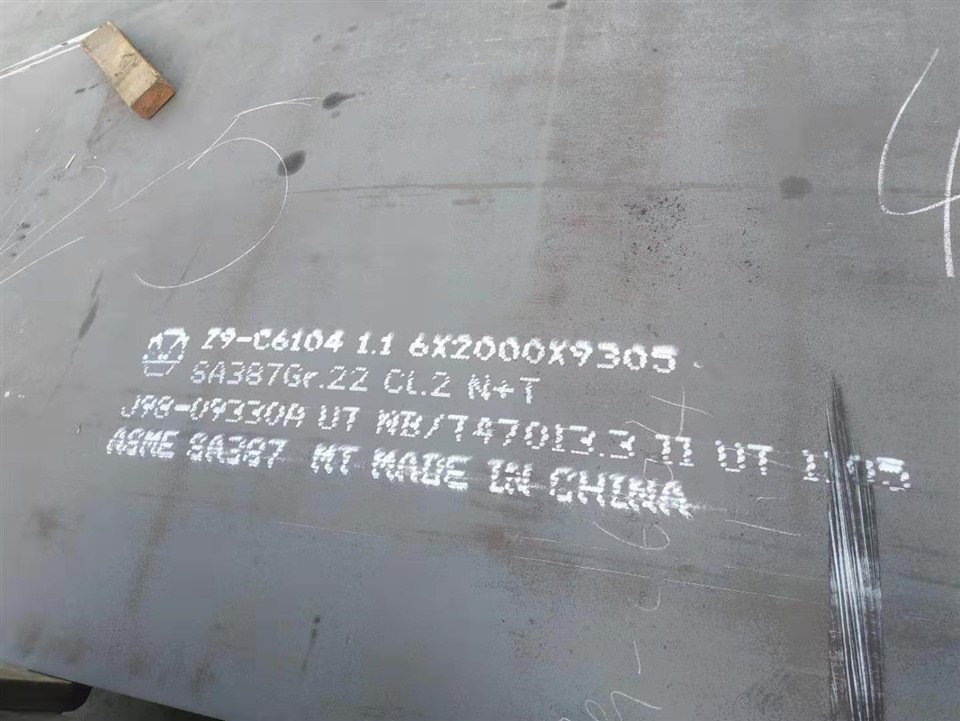
Rolling also has a big impact on the surface finish of ASTM A537CL2. The rollers used in the rolling process can leave imprints on the surface of the steel. If the rollers are well - maintained and have a smooth surface, the steel plate will have a relatively smooth finish. However, if there are any defects on the rollers, such as scratches or unevenness, these will be transferred to the surface of the steel.
A smooth surface finish is not only important for aesthetic reasons but also for practical applications. In pressure vessel applications, a smooth surface can reduce the risk of stress concentration points, which can lead to premature failure of the vessel.
Effects on Residual Stress
Another effect of rolling on the texture of ASTM A537CL2 is the introduction of residual stress. Residual stress is the stress that remains in the material after the rolling process is completed. When the steel is rolled, different parts of the plate experience different amounts of deformation. This non - uniform deformation can cause internal stresses to build up in the material.
These residual stresses can have both positive and negative effects. On the positive side, compressive residual stresses can improve the fatigue resistance of the steel. On the negative side, tensile residual stresses can reduce the ductility of the steel and increase the risk of cracking, especially in areas where there are already stress concentrations.
Comparison with Other Steel Grades
It's interesting to compare the effects of rolling on ASTM A537CL2 with other steel grades. For example, SA387GR11 A387 steel plate has different chemical compositions and mechanical properties compared to ASTM A537CL2. The rolling process for SA387GR11 may result in different grain alignments and surface finishes due to its unique material characteristics.
Similarly, P335GH and astm a537 16Mo3 also have their own responses to the rolling process. Each steel grade has its own optimal rolling parameters to achieve the best mechanical properties and surface texture.
Influence on Weldability
The texture of ASTM A537CL2 after rolling can also affect its weldability. The alignment of grains and the presence of residual stress can influence the way the steel behaves during the welding process. For example, if the residual stress is too high, it can cause the weld to crack during the cooling process.
The surface finish also plays a role in weldability. A dirty or rough surface can introduce impurities into the weld, which can weaken the joint. Therefore, proper rolling processes are necessary to ensure good weldability of ASTM A537CL2.
Importance of Quality Control in Rolling
As a supplier of ASTM A537CL2, I know how important quality control is during the rolling process. We need to monitor the rolling parameters closely, such as the rolling temperature, rolling speed, and the amount of reduction in each pass. By controlling these parameters, we can ensure that the steel plate has the desired texture and mechanical properties.
We also need to conduct regular inspections of the rollers to make sure they are in good condition. This helps to maintain a consistent surface finish on the steel plates.
Applications and the Role of Rolling - Induced Texture
In various applications, the texture of ASTM A537CL2 induced by rolling is crucial. In pressure vessel construction, the mechanical properties and surface finish achieved through proper rolling are essential for the safe and reliable operation of the vessel. The higher strength in the rolling direction can be utilized to optimize the design of the vessel, allowing it to withstand higher pressures.
In the automotive industry, if ASTM A537CL2 is used in certain components, the rolling - induced texture can be tailored to meet the specific requirements of the part, such as high strength in a particular direction or a smooth surface for better fit and finish.
Conclusion
In conclusion, rolling has a wide range of effects on the texture of ASTM A537CL2. It affects the grain structure, surface finish, residual stress, and weldability of the steel. As a supplier, I'm always looking for ways to optimize the rolling process to ensure that our ASTM A537CL2 meets the highest quality standards.
If you're in the market for high - quality ASTM A537CL2, I'd love to have a chat with you. Whether you have questions about the rolling process, the properties of the steel, or you're ready to place an order, don't hesitate to reach out. We can discuss your specific requirements and find the best solution for your project.
References
- ASM Handbook Volume 1: Properties and Selection: Irons, Steels, and High - Performance Alloys
- ASTM International standards related to A537CL2 steel
- Technical literature on steel rolling processes from leading steel manufacturers