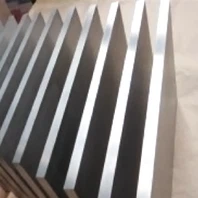
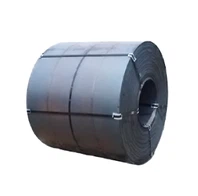
Hey there! As a cladding steel plate supplier, I've seen firsthand how crucial it is to optimize the design of structures using these amazing materials. In this blog, I'm gonna share some tips and tricks on how to make the most out of cladding steel plates in your structural designs.
First off, let's talk about what cladding steel plates are and why they're so great. Cladding steel plates are composite materials made by bonding a layer of corrosion - resistant material, like stainless steel, to a base layer of carbon steel. This combination gives you the best of both worlds: the strength and affordability of carbon steel, and the corrosion resistance of stainless steel.
Understanding Your Project Requirements
The first step in optimizing the design of structures using cladding steel plates is to understand your project requirements. You need to think about things like the environment where the structure will be located, the loads it will have to bear, and the aesthetic requirements.
If your structure is going to be in a harsh, corrosive environment, like a coastal area or a chemical plant, you'll want to choose a cladding steel plate with a high - quality corrosion - resistant layer. For example, our A537CL2+304L - Stainless Steel Clad Plate is a great choice for such applications. The 304L stainless steel cladding provides excellent resistance to corrosion, while the A537CL2 carbon steel base offers good strength.
On the other hand, if your project is more about structural strength and you don't have to worry too much about corrosion, you can focus more on the base steel properties. Our S355JR+304L cladding steel plate is a popular option here. The S355JR base steel has good mechanical properties, and the 304L cladding still gives a certain level of protection against surface rusting.
Design Considerations
Once you've got a clear idea of your project requirements, it's time to start thinking about the design. One important thing to keep in mind is the bond between the cladding layer and the base layer. A strong bond is essential for the long - term performance of the cladding steel plate.
When designing the structure, make sure to consider the welding and fabrication processes. You need to use welding techniques that won't damage the cladding layer. For example, some specialized welding methods are designed to ensure that the heat input is controlled so that the cladding doesn't melt or lose its corrosion - resistant properties.
Another design consideration is the thickness of the cladding and base layers. You don't want to use a cladding layer that's too thick or too thin. If it's too thick, it can add unnecessary cost, and if it's too thin, it may not provide adequate corrosion protection. Our A516GR70 +304L Clad Plate comes in various thickness combinations, and we can help you choose the right one for your project.
Cost - Benefit Analysis
Optimizing the design also involves a cost - benefit analysis. You want to get the best performance for your money. While cladding steel plates may cost more upfront compared to regular carbon steel, they can save you a lot of money in the long run.
Think about the maintenance costs. With a cladding steel plate, you'll have less corrosion - related maintenance. You won't have to constantly paint or repair the structure due to rust. This can result in significant savings over the life of the structure.
Also, consider the lifespan of the structure. A well - designed structure using cladding steel plates can last much longer than one made of regular steel. This means you won't have to replace the structure as often, which is a huge cost - saver.
Collaboration with Experts
Don't be afraid to collaborate with experts in the field. As a supplier, we have a team of engineers who can help you with the design process. We can offer advice on the best cladding steel plate selection, as well as the design details.
Architects and structural engineers can also play a crucial role. They can bring in their expertise in overall structural design and make sure that the use of cladding steel plates fits well into the big picture. By working together, you can create a structure that is not only functional but also aesthetically pleasing.
Quality Control
Quality control is a must when it comes to using cladding steel plates. You need to ensure that the plates you're using meet the required standards. At our company, we have strict quality control measures in place.
We test the bond strength between the cladding and the base layer. We also check the chemical composition and mechanical properties of both the cladding and the base steel. This ensures that you're getting a high - quality product that will perform as expected.
Installation and Maintenance
Proper installation is key to the success of using cladding steel plates. Make sure the installation team is trained in handling these plates. They need to follow the correct procedures to ensure that the plates are installed securely and that the bond between the layers remains intact.
In terms of maintenance, while cladding steel plates require less maintenance compared to regular steel, it's still important to do some basic checks. Inspect the plates regularly for any signs of damage or corrosion. If you notice any issues, address them promptly to prevent further damage.
Conclusion
In conclusion, optimizing the design of structures using cladding steel plates involves a combination of understanding your project requirements, careful design considerations, cost - benefit analysis, collaboration with experts, quality control, and proper installation and maintenance.
If you're interested in using cladding steel plates for your next project, I encourage you to get in touch with us. We can provide you with detailed information about our products, help you with the design process, and offer support throughout the project. Whether you're working on a small - scale building or a large industrial structure, we've got the right cladding steel plate solutions for you. Let's work together to create a structure that is strong, durable, and cost - effective.
References
- ASME Boiler and Pressure Vessel Code
- ASTM Standards for Steel Plates
- ISO Standards for Corrosion - Resistant Materials