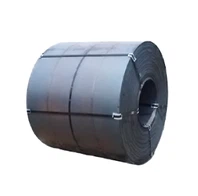
Yo, what's up everyone! As a supplier of plate ASTM A516 Gr 70, I get asked a ton about the fatigue resistance of this material. So, I thought I'd take some time to break it down for you all in a way that's easy to understand.
First off, let's talk about what fatigue resistance actually means. In simple terms, fatigue resistance is a material's ability to withstand repeated loading and unloading without failing. You see, when a material is subjected to cyclic stresses, tiny cracks can start to form on its surface. Over time, these cracks can grow and eventually lead to the material breaking apart. A material with good fatigue resistance can resist the formation and growth of these cracks for a longer period.
Now, let's dive into the fatigue resistance of plate ASTM A516 Gr 70. This type of plate is widely used in pressure vessel applications, like in boilers and storage tanks. These vessels often experience fluctuating pressures and temperatures, which means the plates are constantly under cyclic stresses. That's why having good fatigue resistance is super important.
ASTM A516 Gr 70 is a carbon steel plate. Carbon steel generally has decent fatigue resistance, but the specific properties of ASTM A516 Gr 70 make it even better for these high - stress applications. The chemical composition of this plate plays a big role. It has a balanced amount of carbon, manganese, sulfur, and phosphorus. The carbon content gives the steel its strength, while the other elements help in controlling the grain structure and improving the overall mechanical properties.
A fine - grained structure is crucial for good fatigue resistance. In ASTM A516 Gr 70, the manufacturing process is carefully controlled to achieve a fine - grained microstructure. This fine grain size helps to prevent the initiation and propagation of cracks. When a crack tries to form, the fine grains act as barriers, making it harder for the crack to grow.
Another factor that affects the fatigue resistance of ASTM A516 Gr 70 is its heat treatment. The plate is usually normalized or stress - relieved during the manufacturing process. Normalizing involves heating the steel to a specific temperature and then cooling it in air. This process refines the grain structure and improves the mechanical properties, including fatigue resistance. Stress - relieving, on the other hand, helps to reduce the internal stresses in the plate. These internal stresses can act as stress concentrators, which can accelerate crack formation. By reducing these stresses, the fatigue life of the plate is extended.
In real - world applications, the fatigue resistance of ASTM A516 Gr 70 has been proven time and time again. For example, in pressure vessels that operate in harsh environments, such as offshore oil and gas platforms, these plates have shown excellent performance. They can withstand the constant cyclic loading caused by waves, pressure changes, and temperature variations for many years without significant fatigue damage.
But it's not just about the material itself. The design and fabrication of the pressure vessels also play a role in how well the ASTM A516 Gr 70 plates perform under fatigue. Proper welding techniques are essential. Poor welding can introduce defects like porosity, lack of fusion, or high residual stresses, which can all reduce the fatigue resistance of the plate. So, when fabricating pressure vessels using ASTM A516 Gr 70, it's important to follow strict welding procedures and quality control measures.
Now, let's compare ASTM A516 Gr 70 with some other similar materials. There are other pressure vessel plates out there, like P275NL1 and P295GH. These are also used in pressure vessel applications, but they have different chemical compositions and mechanical properties.
P275NL1 is a European standard pressure vessel steel. It has a lower carbon content compared to ASTM A516 Gr 70, which gives it good weldability. However, in terms of fatigue resistance, ASTM A516 Gr 70 might have an edge because of its optimized chemical composition and heat treatment.
P295GH is another European steel used in pressure vessels. It has a different set of mechanical properties and is designed for specific applications. While it's a good material, ASTM A516 Gr 70 is often preferred in applications where high fatigue resistance is required, especially in North American markets.
If you're in the market for pressure vessel plates, SA516GR70 is definitely worth considering. As a supplier, I can tell you that we source our ASTM A516 Gr 70 plates from reliable manufacturers. We ensure that the plates meet all the relevant ASTM standards and have the required fatigue resistance for your applications.
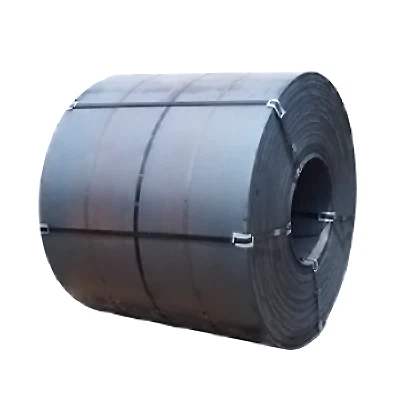

We also offer a range of services to our customers. We can provide technical support to help you choose the right plate for your specific needs. Whether you're building a small pressure vessel or a large industrial tank, we can assist you in making the best decision. And if you have any questions about the fatigue resistance or other properties of ASTM A516 Gr 70, our team of experts is always here to answer them.
So, if you're interested in purchasing ASTM A516 Gr 70 plates for your pressure vessel projects, don't hesitate to get in touch. We're ready to have a chat about your requirements and provide you with a competitive quote. Let's work together to ensure your pressure vessels are built to last and can withstand the rigors of real - world use.
References:
- ASTM International standards for A516 Gr 70
- Technical literature on carbon steel fatigue resistance
- Industry reports on pressure vessel materials and applications