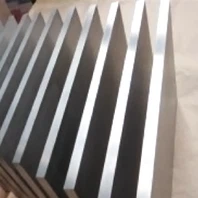
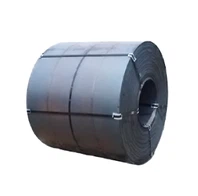
Hey there! As a heavy plate supplier, I've been in the thick of the industry for quite some time, and one topic that keeps coming up is how the thickness tolerance of heavy plates affects their use. Let's dig into this issue and see what's what.
First off, what exactly is thickness tolerance? Well, in simple terms, it's the allowable deviation from the specified thickness of a heavy plate. Every plate is supposed to have a certain thickness as per the design requirements, but in the real world, it's almost impossible to make every single plate exactly that thickness. So, manufacturers set a tolerance range within which the actual thickness can vary.
Now, why does this matter? The thickness of a heavy plate plays a crucial role in determining its mechanical properties and performance. For instance, if you're using heavy plates for structural applications, like building bridges or large buildings, the thickness directly impacts the plate's strength and load - bearing capacity.
Let's take an example. Say you're constructing a bridge, and you need heavy plates with a specified thickness of 50 mm. The tolerance might be set at ± 0.5 mm. If a plate comes in at the lower end of the tolerance, say 49.5 mm, it might have slightly reduced strength compared to a plate with the exact 50 - mm thickness. This could potentially affect the overall stability and safety of the bridge, especially under heavy loads.
On the other hand, if a plate is at the upper end of the tolerance, say 50.5 mm, it might be stronger than required. While this might seem like a good thing at first, it can also lead to some problems. For one, it can increase the weight of the structure, which might require additional support and can add to the construction costs.
In the manufacturing process, thickness tolerance can also affect the machining and fabrication of heavy plates. When plates are cut, welded, or formed, the actual thickness can influence how these operations are carried out. For example, if a plate is thicker than expected, it might require more powerful cutting tools and longer welding times. This can slow down the production process and increase the cost of manufacturing.
Now, let's talk about some specific types of heavy plates. We have products like SM570, A573GR58 Carbon Steel Plate A283GRC, and SM490C. Each of these plates has its own set of requirements and applications, and the thickness tolerance can have different impacts on them.
SM570 is a low - alloy steel plate that's often used in high - stress applications, such as construction machinery and offshore structures. In these applications, the thickness tolerance needs to be tightly controlled. A small deviation in thickness can affect the plate's ability to withstand high - pressure environments and dynamic loads. If the plate is too thin, it might fail under stress, and if it's too thick, it can add unnecessary weight to the machinery or structure.
A573GR58 Carbon Steel Plate A283GRC is commonly used in general structural applications. The thickness tolerance for this type of plate is also important, but perhaps not as critical as in some high - end applications. However, even a small variation in thickness can still affect the fit and finish of the structure. For example, if the plates are being used to build a storage tank, inconsistent thickness can lead to uneven welding and potential leakage issues.
SM490C is another low - alloy steel plate that's used in a variety of construction and engineering projects. Similar to the other plates, the thickness tolerance can impact its performance. In construction, where precision is key, plates with inconsistent thickness can cause problems during assembly. It might be difficult to align the plates properly, which can lead to a less stable and less aesthetically pleasing structure.
As a heavy plate supplier, we understand the importance of thickness tolerance, and we take great care to ensure that our products meet the required specifications. We use advanced measuring equipment to check the thickness of every plate before it leaves our facility. This way, we can guarantee that our customers get plates that perform as expected.
But it's not just about us. Our customers also need to be aware of the impact of thickness tolerance. When they're specifying heavy plates for their projects, they should work closely with us to understand the acceptable tolerance range. This can help them avoid potential problems down the line and ensure the success of their projects.
If you're in the market for heavy plates, whether it's for construction, manufacturing, or any other application, don't hesitate to reach out to us. We're here to provide you with high - quality plates that meet your exact requirements. We can offer expert advice on thickness tolerance and other factors that can affect the performance of the plates. So, if you're looking to make a purchase, let's start a conversation and see how we can help you get the best heavy plates for your needs.
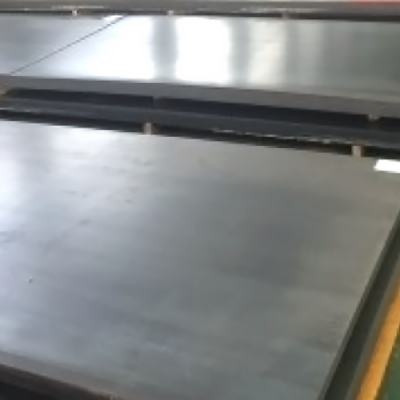

References
- "Steel Plate Handbook" - A comprehensive guide on steel plate properties and manufacturing processes.
- Industry standards and specifications for heavy plates, which outline the requirements for thickness tolerance and other quality parameters.