In the realm of personal and industrial protection, the choice of protective gear is a critical decision that can significantly impact safety and performance. Among the various options available, wearing a steel plate stands out as a distinct and effective form of protection. As a wear steel plate supplier, I have witnessed firsthand the unique properties and advantages that steel plates offer compared to other types of protective gear. In this blog post, I will delve into the differences between wearing a steel plate and other protective gear, exploring their respective characteristics, applications, and benefits.
Composition and Material Properties
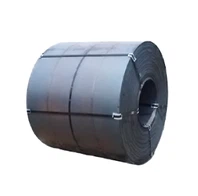
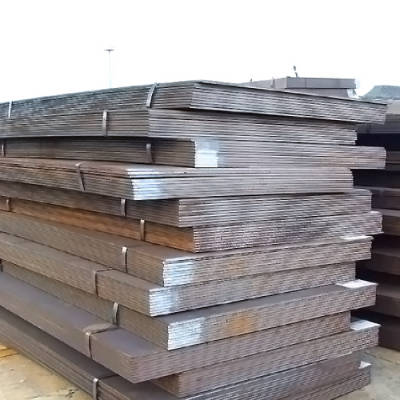
One of the fundamental differences between steel plates and other protective gear lies in their composition and material properties. Steel plates are typically made from high-strength alloy steels, such as NM360 Abrasion Resistant Plate, NM400 Abrasion Plate, and NM500 Wear Steel Plate. These steels are specifically designed to provide excellent wear resistance, impact resistance, and hardness, making them ideal for applications where protection against abrasion, cutting, and impact is required.
In contrast, other types of protective gear, such as helmets, gloves, and body armor, are often made from a variety of materials, including plastics, polymers, fibers, and metals. While these materials can offer varying degrees of protection, they may not possess the same level of durability and strength as steel plates. For example, plastic helmets may provide some protection against impact, but they are more susceptible to cracking and breaking compared to steel helmets. Similarly, gloves made from synthetic fibers may offer some resistance to abrasion, but they may not be able to withstand heavy-duty applications where sharp objects or high-pressure environments are present.
Protection Level
Another significant difference between wearing a steel plate and other protective gear is the level of protection they provide. Steel plates are designed to offer a high level of protection against a wide range of hazards, including abrasion, cutting, impact, and ballistic threats. Due to their high hardness and strength, steel plates can effectively absorb and distribute the energy of an impact, reducing the risk of injury to the wearer.
For instance, in industrial settings where workers are exposed to heavy machinery, sharp tools, and abrasive materials, wearing a steel plate can provide crucial protection against cuts, punctures, and abrasions. Steel plates can also be used in military and law enforcement applications to protect against ballistic threats, such as bullets and shrapnel. In these scenarios, steel plates are often used in combination with other protective gear, such as body armor vests, to provide comprehensive protection to the wearer.
On the other hand, other types of protective gear may offer more limited protection depending on their design and intended use. For example, safety glasses are primarily designed to protect the eyes from flying debris and particles, while earplugs are used to reduce noise exposure. While these types of protective gear are essential for specific hazards, they may not provide the same level of protection as steel plates in more severe or high-risk situations.
Comfort and Mobility
Comfort and mobility are also important factors to consider when choosing between wearing a steel plate and other protective gear. Steel plates are typically heavier and bulkier compared to other types of protective gear, which can affect the wearer's comfort and mobility. However, advancements in technology and design have led to the development of lighter and more flexible steel plates that can provide a better balance between protection and comfort.
For example, some steel plates are now designed with a modular or segmented structure, allowing for greater flexibility and range of motion. Additionally, padding and ergonomic designs can be incorporated into the steel plate to improve comfort and reduce fatigue during extended periods of wear.
In contrast, other types of protective gear, such as lightweight helmets and gloves, are often designed to be more comfortable and less restrictive, allowing for greater mobility and ease of movement. These types of protective gear are ideal for applications where dexterity and agility are required, such as in sports or outdoor activities.
Cost and Durability
Cost and durability are two important considerations when evaluating the differences between wearing a steel plate and other protective gear. Steel plates are generally more expensive than other types of protective gear due to their high-quality materials and manufacturing processes. However, they also offer greater durability and longevity, which can result in cost savings over the long term.
Since steel plates are highly resistant to wear and tear, they can withstand repeated use and exposure to harsh environments without losing their protective properties. This means that they do not need to be replaced as frequently as other types of protective gear, reducing the overall cost of ownership.
In comparison, other types of protective gear may be more affordable upfront, but they may need to be replaced more often due to wear and tear. For example, disposable gloves and masks may need to be replaced after each use, while helmets and goggles may need to be replaced every few years due to damage or degradation.
Applications
The differences in composition, protection level, comfort, and cost between steel plates and other protective gear also influence their respective applications. Steel plates are commonly used in a variety of industries, including mining, construction, manufacturing, transportation, and military. In these industries, steel plates are used to protect workers from a wide range of hazards, such as abrasion, cutting, impact, and ballistic threats.
For example, in the mining industry, steel plates are used to line the interiors of trucks, conveyor belts, and chutes to protect against abrasion and wear. In the construction industry, steel plates are used in the fabrication of structural components, such as beams and columns, to provide additional strength and protection. In the military, steel plates are used in body armor vests and helmets to protect soldiers from ballistic threats.

Other types of protective gear, on the other hand, are more commonly used in specific applications where their unique properties and features are required. For example, safety glasses are used in laboratories, workshops, and construction sites to protect the eyes from flying debris and chemicals. Gloves are used in a variety of industries, including healthcare, food processing, and manufacturing, to protect the hands from cuts, burns, and chemical exposure.
Conclusion
In conclusion, wearing a steel plate offers several distinct advantages compared to other types of protective gear. Steel plates provide a high level of protection against a wide range of hazards, including abrasion, cutting, impact, and ballistic threats, due to their excellent wear resistance, impact resistance, and hardness. They are also highly durable and long-lasting, making them a cost-effective solution for applications where protection is required over an extended period of time.
However, it is important to note that the choice between wearing a steel plate and other protective gear depends on the specific application, the level of protection required, and the comfort and mobility needs of the wearer. In some cases, a combination of steel plates and other protective gear may be necessary to provide comprehensive protection.
As a wear steel plate supplier, I am committed to providing high-quality steel plates that meet the diverse needs of our customers. If you are interested in learning more about our products or discussing your specific protection requirements, please do not hesitate to contact us. We look forward to working with you to find the best solution for your protection needs.
References
- ASM Handbook Committee. (2005). ASM Handbook Volume 1: Properties and Selection: Irons, Steels, and High-Performance Alloys. ASM International.
- Callister, W. D., & Rethwisch, D. G. (2011). Materials Science and Engineering: An Introduction. Wiley.
- National Institute for Occupational Safety and Health (NIOSH). (2019). Personal Protective Equipment (PPE). Retrieved from https://www.cdc.gov/niosh/topics/ppe/