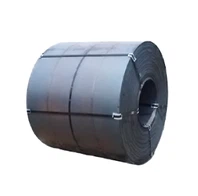
As a high strength plate supplier, I've witnessed the diverse applications and growing demand for these materials across various industries. High strength plates are crucial in construction, manufacturing, and heavy machinery due to their exceptional durability and load - bearing capabilities. In this blog, I'll walk you through the installation process of high strength plates, ensuring you have a comprehensive understanding of how to handle these materials effectively.
Pre - installation Preparation
Before starting the installation of high strength plates, meticulous planning and preparation are essential. First, you need to conduct a thorough site survey. The installation site should be flat, clean, and free of any debris or obstacles. This ensures that the high strength plates will have a stable base and reduces the risk of uneven stress distribution during the installation process.
Measure the installation area accurately. High strength plates come in different sizes, and precise measurements are necessary to determine the quantity and dimensions of the plates required. Make sure to account for any cutouts or special requirements in the design, such as holes for bolts or pipes.


Inspect the high strength plates for any damage. Even minor scratches or dents can compromise the integrity of the plates, especially in high - stress applications. When you receive the plates from us, they are carefully inspected at our end. However, it's still a good practice to double - check upon arrival at the installation site. If any damaged plates are found, contact us immediately, and we'll arrange for replacements.
Handling and Transportation
High strength plates are heavy and dense, so proper handling and transportation are critical. Use appropriate lifting equipment, such as cranes or forklifts, that are rated to handle the weight of the plates. The lifting points on the plates should be well - defined and in accordance with the manufacturer's guidelines.
During transportation, secure the plates properly to prevent shifting or sliding. This can be achieved by using straps, chains, or other suitable restraints. Make sure the vehicle used for transportation is in good condition and has a flat and stable surface to carry the plates.
Installation Steps
Marking and Layout
Once the site is prepared and the plates are on - site, start by marking the layout on the installation surface. Use a chalk line or a laser level to create straight and accurate lines. This will serve as a guide for placing the high strength plates. Ensure that the layout aligns with the design specifications, including the spacing between plates and the overall configuration.
Positioning the Plates
Carefully lift and position the high strength plates according to the marked layout. For large - scale installations, it may be necessary to work in sections. Start from one corner of the installation area and work your way across. Use a level to ensure that each plate is perfectly horizontal or at the desired angle, depending on the application.
When placing the plates, pay attention to the alignment of the edges. The plates should fit together snugly to prevent gaps or misalignments. If there are any irregularities, use shims or other adjustment methods to correct them.
Joining the Plates
There are several methods for joining high strength plates, depending on the application and the type of plates.
- Welding: Welding is a common method for joining high strength plates. It provides a strong and permanent connection. However, welding high strength plates requires specialized skills and equipment. The welding process should be carried out in accordance with the relevant welding codes and standards. For example, when welding S690QL, specific welding procedures need to be followed to maintain the plate's high strength properties.
- Bolted Connections: Bolted connections are another option. They offer the advantage of being reversible and easier to install in some cases. Use high - strength bolts that are compatible with the plates. Drill holes in the plates accurately and ensure that the bolts are tightened to the specified torque. This method is often used in applications where disassembly or future modifications may be required, such as in some modular structures.
- Adhesive Bonding: Adhesive bonding can be used for certain applications where a non - mechanical connection is preferred. Special adhesives designed for high strength plates are available. However, this method requires a clean and properly prepared surface to ensure a strong bond.
Finishing Touches
After the plates are joined, inspect the installation for any remaining gaps or unevenness. Fill any small gaps with appropriate sealants or fillers. This not only improves the appearance but also helps to prevent moisture or debris from entering the joints.
If the high strength plates are exposed to the elements, apply a protective coating. This can enhance the corrosion resistance of the plates and extend their service life. The type of coating will depend on the environment and the specific requirements of the application.
Quality Control
Throughout the installation process, quality control is of utmost importance. Regularly check the alignment, levelness, and tightness of the joints. Use measuring tools such as calipers, micrometers, and torque wrenches to ensure that all specifications are met.
Conduct non - destructive testing (NDT) on the welded joints or other critical areas. Methods such as ultrasonic testing, magnetic particle testing, or dye penetrant testing can detect internal flaws or defects in the plates or the joints.
Safety Considerations
Safety should always be a top priority during the installation of high strength plates. Provide appropriate personal protective equipment (PPE) to all workers involved in the installation, including hard hats, safety glasses, gloves, and steel - toed boots.
When using heavy machinery, ensure that operators are properly trained and certified. Set up safety barriers around the installation area to prevent unauthorized access. Follow all safety regulations and guidelines to minimize the risk of accidents and injuries.
Conclusion
The installation process of high strength plates is a complex but rewarding task. By following the steps outlined above, you can ensure a successful installation that meets the highest standards of quality and safety. At our company, we are committed to providing you with high - quality high strength plates, including S690QL, S550QL1, and A514GRE Astm A514. If you have any questions or need further assistance with the installation process, or if you are interested in purchasing high strength plates for your next project, please don't hesitate to contact us. We look forward to working with you and helping you achieve your project goals.
References
- "High Strength Steel Plate Handbook", Industry Standard Publishing
- Welding Codes and Standards for High Strength Metals, National Welding Institute