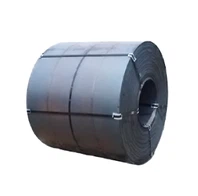
Pipe line plate X60 is a high-strength, low-alloy steel plate specifically designed for use in the construction of pipelines. As a leading supplier of pipe line plate X60, I am often asked about the manufacturing process of this essential material. In this blog post, I will take you through the detailed steps involved in the production of pipe line plate X60, from raw materials to the final product.
Raw Material Selection
The first step in manufacturing pipe line plate X60 is the careful selection of raw materials. High-quality iron ore is the primary ingredient, which is usually sourced from reliable mines. The iron ore is then processed in a blast furnace to produce pig iron. Pig iron contains a high percentage of carbon and other impurities, so it needs to be refined further.
In addition to iron, various alloying elements are added to enhance the properties of the steel. For pipe line plate X60, elements such as manganese, niobium, vanadium, and titanium are commonly used. These alloying elements improve the strength, toughness, and weldability of the steel, making it suitable for pipeline applications.
Steelmaking
Once the raw materials are selected, the steelmaking process begins. There are two main methods of steelmaking: the basic oxygen furnace (BOF) process and the electric arc furnace (EAF) process.
The BOF process is the most common method for producing large quantities of steel. In this process, molten pig iron is poured into a basic oxygen furnace, and pure oxygen is blown into the furnace at high speed. The oxygen reacts with the carbon and other impurities in the pig iron, burning them off and reducing the carbon content to the desired level. Alloying elements are then added to the molten steel to achieve the required chemical composition.
The EAF process, on the other hand, uses scrap steel as the primary raw material. Scrap steel is melted in an electric arc furnace using electricity. The advantage of the EAF process is that it is more energy-efficient and environmentally friendly compared to the BOF process. However, it is typically used for producing smaller quantities of steel or for recycling scrap metal.
Continuous Casting
After the steel is made, it is transferred to a continuous casting machine. Continuous casting is a process that converts molten steel into semi-finished steel products, such as slabs, billets, or blooms. In this process, the molten steel is poured into a water-cooled copper mold, where it begins to solidify. As the solidified steel exits the mold, it is continuously pulled by a series of rollers, forming a long, continuous strand.
The continuous casting process offers several advantages over traditional ingot casting. It is more efficient, as it eliminates the need for multiple casting and reheating steps. It also produces a more uniform and consistent product with fewer defects. The slabs produced by continuous casting are then cut to the desired length and sent to the rolling mill for further processing.
Rolling
The next step in the manufacturing process is rolling. Rolling is a process that reduces the thickness of the steel slab and improves its mechanical properties. The slabs are heated to a high temperature in a reheating furnace to make them more malleable. They are then passed through a series of rolling mills, where they are compressed and shaped into the desired thickness and width.
There are two main types of rolling mills: hot rolling mills and cold rolling mills. Hot rolling is performed at high temperatures, typically above 1,000°C (1,832°F). This process is used to produce thick plates and structural shapes. Cold rolling, on the other hand, is performed at room temperature or slightly above. It is used to produce thinner sheets and strips with a smoother surface finish.
For pipe line plate X60, hot rolling is the preferred method. The hot-rolled plates are then cooled to room temperature in a controlled manner to achieve the desired microstructure and mechanical properties. This process is known as controlled cooling or accelerated cooling.


Heat Treatment
Heat treatment is an important step in the manufacturing of pipe line plate X60. It is used to improve the strength, toughness, and ductility of the steel. There are several types of heat treatment processes, including annealing, normalizing, quenching, and tempering.
Annealing is a process that involves heating the steel to a specific temperature and then cooling it slowly. This process helps to relieve internal stresses and improve the machinability of the steel. Normalizing is similar to annealing, but the steel is cooled in air instead of being cooled slowly. This process produces a more uniform microstructure and improves the mechanical properties of the steel.
Quenching is a process that involves heating the steel to a high temperature and then cooling it rapidly in a quenching medium, such as water or oil. This process produces a hard and brittle microstructure. To reduce the brittleness and improve the toughness of the steel, it is then tempered. Tempering involves heating the quenched steel to a lower temperature and then cooling it slowly.
For pipe line plate X60, a combination of quenching and tempering is often used to achieve the desired mechanical properties. This process produces a steel with high strength, good toughness, and excellent weldability.
Quality Control
Throughout the manufacturing process, strict quality control measures are implemented to ensure that the pipe line plate X60 meets the required standards and specifications. Quality control begins with the inspection of the raw materials and continues through each stage of the manufacturing process.
The chemical composition of the steel is analyzed using various methods, such as spectroscopy and chemical analysis. The mechanical properties of the steel, such as tensile strength, yield strength, and elongation, are tested using standardized testing methods. Non-destructive testing methods, such as ultrasonic testing and magnetic particle testing, are used to detect any internal defects or surface cracks in the steel.
In addition to these tests, the pipe line plate X60 is also inspected for its dimensional accuracy, surface finish, and flatness. Any products that do not meet the required standards are rejected and recycled.
Other Related Products
In addition to pipe line plate X60, we also offer other related products, such as LX65 and LX70. These products are also high-strength, low-alloy steel plates that are suitable for use in pipeline construction. We also supply LX52 Pipe Line Plate X52, which is a lower-grade steel plate that is commonly used in less demanding pipeline applications.
Conclusion
The manufacturing of pipe line plate X60 is a complex and highly controlled process that involves several steps, from raw material selection to the final product. Each step in the process is critical to ensuring the quality and performance of the steel. As a supplier of pipe line plate X60, we are committed to providing our customers with high-quality products that meet their specific requirements.
If you are interested in purchasing pipe line plate X60 or any of our other products, please feel free to contact us for more information. We look forward to discussing your needs and providing you with a competitive quote.
References
- ASME Boiler and Pressure Vessel Code
- ASTM International Standards
- API Specification 5L
- ISO Standards for Steel Plates