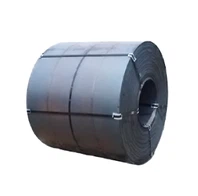
What is the corrosion resistance of A387 steel plate?
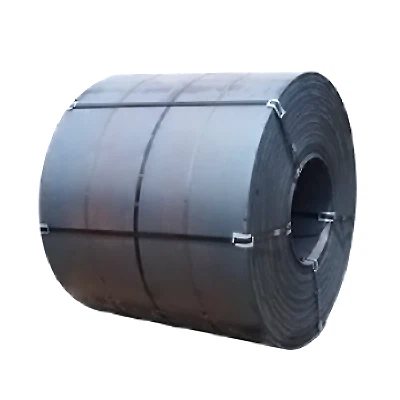
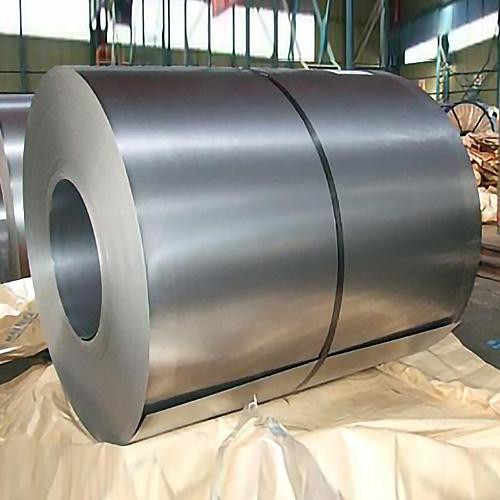
Hey there! As a supplier of A387 steel plates, I get asked a lot about the corrosion resistance of these bad boys. So, I thought I'd take a bit of time to break it down for y'all.
First off, A387 steel plate is a type of pressure vessel steel. It's widely used in industries like oil and gas, power generation, and chemical processing. These industries often deal with harsh environments where corrosion can be a real headache. That's why understanding the corrosion resistance of A387 steel is super important.
The corrosion resistance of A387 steel mainly depends on its chemical composition. A387 steel contains elements like chromium (Cr), molybdenum (Mo), and carbon (C). Chromium is a key player when it comes to corrosion resistance. It forms a thin, protective oxide layer on the surface of the steel, which acts as a barrier between the metal and the corrosive environment. This layer, known as the passive film, can prevent further oxidation and corrosion.
Molybdenum also helps enhance the steel's corrosion resistance, especially in environments with high temperatures and pressures. It improves the strength and toughness of the steel at elevated temperatures and can also increase the resistance to pitting and crevice corrosion.
Carbon, on the other hand, has a more complex relationship with corrosion resistance. While a certain amount of carbon is necessary to give the steel its strength and hardness, too much carbon can make the steel more susceptible to corrosion. That's why the carbon content in A387 steel is carefully controlled.
Now, let's talk about the different grades of A387 steel. There are several grades available, such as A387 Gr. 2, A387 Gr. 11, A387 Gr. 22, etc. Each grade has different chemical compositions and mechanical properties, which also affect their corrosion resistance.
For example, A387 Gr. 11 has a relatively higher chromium and molybdenum content compared to some other grades. This makes it more resistant to corrosion in various environments, including those with sulfur-containing gases. It's often used in applications where the steel needs to withstand high-temperature and corrosive conditions, like in petrochemical plants.
A387 Gr. 22, with an even higher chromium and molybdenum content, offers even better corrosion resistance and high-temperature performance. It's suitable for more demanding applications, such as in power generation boilers.
But it's not just about the chemical composition. The manufacturing process also plays a role in the corrosion resistance of A387 steel plates. Proper heat treatment can improve the microstructure of the steel, which in turn can enhance its corrosion resistance. For instance, normalizing and tempering can refine the grain structure and reduce the presence of impurities, making the steel more resistant to corrosion.
Surface finish is another factor. A smooth and clean surface can help prevent the accumulation of corrosive substances, reducing the risk of corrosion. That's why we pay close attention to the surface finish of our A387 steel plates during the manufacturing process.
When comparing A387 steel with other types of steel used in similar applications, it has some advantages in terms of corrosion resistance. For example, compared to SA285GrA, which is also a pressure vessel steel, A387 steel generally has better corrosion resistance due to its higher alloy content. SA285GrA is more commonly used in less corrosive environments where lower strength and corrosion resistance requirements are sufficient.
Another comparison can be made with astm a537 16Mo3. While 16Mo3 is a good choice for applications with moderate temperature and pressure, A387 steel, especially the higher grades, can offer better corrosion resistance in more severe conditions, especially those involving high temperatures and aggressive chemicals.
SA516GR70 is another well - known pressure vessel steel. It has good toughness and weldability, but in terms of corrosion resistance in high - temperature and high - pressure corrosive environments, A387 steel often outperforms it because of its alloying elements like chromium and molybdenum.
However, it's important to note that no steel is completely immune to corrosion. Even A387 steel needs proper maintenance and protection in extremely harsh environments. Coating the steel with anti - corrosion paints or applying cathodic protection can further enhance its resistance to corrosion.
If you're planning to use A387 steel plates in your project, it's crucial to consider the specific corrosive environment. For example, if the steel will be exposed to seawater, you need to take into account the high salt content and the possibility of chloride - induced corrosion. In such cases, additional protective measures may be necessary.
In conclusion, A387 steel plate has good corrosion resistance, thanks to its alloy composition, proper manufacturing processes, and surface treatment. But understanding the specific application and environment is key to ensuring its long - term performance.
If you're interested in purchasing A387 steel plates for your project, feel free to get in touch. We can discuss your specific requirements and help you find the right grade and quantity of A387 steel. Whether you're in the oil and gas industry, power generation, or any other field that requires high - quality pressure vessel steel, we're here to assist you in making the best choice.
References:
- ASTM standards related to A387 steel
- Technical literature on pressure vessel steels
- Industry research reports on corrosion resistance of steel materials