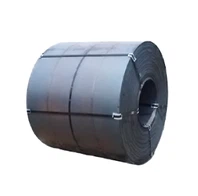
Hey there! As an abrasion plate supplier, I often get asked, "What is the maximum load an abrasion plate can bear?" Well, it's not a one - size - fits - all answer, and in this blog, I'm gonna break it down for you.
Understanding Abrasion Plates
First off, let's talk a bit about what abrasion plates are. These plates are super useful in a ton of industries like mining, construction, and manufacturing. They're designed to resist wear and tear, which means they can handle being scraped, rubbed, or pounded on a regular basis.
The maximum load an abrasion plate can bear depends on several factors. One of the biggest factors is the type of material the plate is made from. Different materials have different properties when it comes to strength and toughness. For example, high - manganese steel is known for its excellent work - hardening properties. When it gets hit or stressed, the surface actually gets harder, which can help it bear more of a load. But on the other hand, it may not be the best choice in situations where corrosion is a big issue.
Another common material is alloy steel. Alloy steels can be customized with different elements to achieve specific strength and toughness levels. They're often used in heavy - duty applications where high loads are expected.
Factors Affecting the Maximum Load
-
Material Composition
The elements added to the base steel can have a huge impact. For instance, adding chromium can increase the hardness and corrosion resistance of the plate. Nickel can improve the toughness and ductility, which allows the plate to deform a bit under load without cracking. When we make these plates, we carefully adjust the composition to meet the specific needs of different customers. -
Plate Thickness
It's pretty obvious that a thicker plate can generally bear more load than a thinner one. But it's not just a simple matter of adding thickness. As the plate gets thicker, there are also considerations about how the load is distributed throughout the plate. We need to make sure that the stress doesn't concentrate in one area, which could lead to premature failure. -
Surface Finish
A smooth surface finish can sometimes reduce friction, which can be helpful in certain applications. But in other cases, a rougher surface might be better because it can provide more grip. The surface finish can also affect how the plate interacts with other components in a system, which in turn can impact the maximum load it can bear. -
Load Type
There are different types of loads, such as static loads and dynamic loads. A static load is a constant, unchanging force, like the weight of a stationary machine sitting on the plate. A dynamic load, on the other hand, is a force that changes over time, like the impact from a falling object or the vibration from a running engine. Abrasion plates need to be designed differently to handle these different load types.
Popular Abrasion Plate Grades and Their Load - Bearing Capabilities
NM500 Wear Steel Plate
One of the most popular abrasion plates we supply is the NM500 Wear Steel Plate. It has a high hardness level, which makes it great for applications where there's a lot of abrasion. In terms of load - bearing, it can handle a significant amount of static and dynamic loads in most industrial settings.
The NM500 is often used in dump trucks, where it's constantly being hit by rocks and other heavy materials. The plate is designed to withstand the impact of these loads without getting damaged too quickly. Another great thing about the NM500 is that it can maintain its performance over a long period of time, even under harsh conditions. You can learn more about it here.
NM550
The NM550 is another high - grade abrasion plate. It has an even higher hardness than the NM500, which means it can handle even more severe abrasion and higher loads. It's often used in extremely tough environments, like ore - processing plants.
In ore - processing, the plates are constantly exposed to sharp rocks and heavy - duty grinding. The NM550 can take this kind of punishment because of its superior wear - resistance and load - bearing capabilities. However, it's important to note that with higher hardness, there can be a trade - off in terms of ductility. So, we need to make sure it's used in the right applications.
Testing the Maximum Load
To figure out the maximum load an abrasion plate can bear, we use a variety of testing methods. One common test is the tensile test, where we pull a sample of the plate until it breaks. This gives us information about the plate's ultimate tensile strength, which is an important factor in determining its load - bearing capacity.
We also do impact tests, where we strike the plate with a heavy hammer or a falling object to see how it responds to sudden loads. These tests help us understand how the plate will perform in real - world situations where there might be unexpected impacts.
Real - World Applications and Load Requirements
Let's look at a few real - world examples to see how the maximum load requirements vary.
In a mining operation, the abrasion plates used in conveyor systems need to be able to handle the weight of the ore being transported. The load can be quite high, especially in large - scale mines. The plates also need to resist the abrasion caused by the rough ore particles. So, we recommend using high - grade plates like the NM550 in these situations.
In a construction equipment like a bulldozer, the abrasion plates on the blades need to withstand the forces generated when pushing heavy materials like soil and rocks. The load here is a combination of static and dynamic forces, and the plates need to be tough enough to handle them without wearing out quickly.
Conclusion
So, to answer the question "What is the maximum load an abrasion plate can bear?", it really depends on a bunch of factors like the material, thickness, surface finish, and load type. As an abrasion plate supplier, we have the expertise to help you choose the right plate for your specific needs. Whether you need a plate for a light - duty application or a heavy - duty industrial setting, we've got you covered.
If you're looking to purchase abrasion plates, don't hesitate to reach out for a chat. We can discuss your requirements in detail and provide you with the best solutions. Let's work together to find the perfect abrasion plates that can handle all your load - bearing needs!


References
- ASM Handbook Volume 1: Properties and Selection: Irons, Steels, and High - Performance Alloys
- ASTM Standards on Metallic Materials for Structural and Wear - Resistant Applications