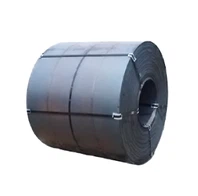
Hey there! As a supplier of Pipe Line Plate, I'm super excited to share with you the manufacturing processes behind this essential product. Pipe Line Plates are widely used in the construction of pipelines for transporting oil, gas, and other fluids. They need to be strong, durable, and able to withstand high pressures and harsh environmental conditions. So, let's dive into how these amazing plates are made.
Raw Material Selection
The first step in the manufacturing process is choosing the right raw materials. We carefully select high - quality steel billets or slabs. The quality of the raw material is crucial as it directly affects the final properties of the Pipe Line Plate. We source our steel from trusted suppliers who meet our strict quality standards. This ensures that the plates we produce have the right chemical composition and mechanical properties. For example, the carbon content, manganese, and other alloying elements are carefully controlled to achieve the desired strength and toughness.
Heating
Once we have the raw steel billets or slabs, they are heated in a reheating furnace. The heating process is very important because it makes the steel more malleable, which is necessary for the subsequent rolling steps. The steel is heated to a specific temperature range, usually around 1200 - 1300 degrees Celsius. This high temperature allows the steel to be easily shaped without cracking or breaking. We use advanced heating technology to ensure uniform heating throughout the billet or slab, which helps in getting a consistent quality of the final Pipe Line Plate.
Rolling
After the heating process, the hot steel is sent to the rolling mill. Rolling is the process of reducing the thickness of the steel and increasing its length and width to form the Pipe Line Plate. There are two main types of rolling: rough rolling and finish rolling.
In rough rolling, the steel is initially reduced to a rough shape. The rolling mill applies a large amount of pressure to the hot steel, gradually reducing its thickness. This step helps in breaking down the large grains in the steel structure and improving its internal organization.
Finish rolling is the final stage of the rolling process. The steel is rolled to the exact thickness and dimensions required for the Pipe Line Plate. During finish rolling, the temperature of the steel is carefully controlled to ensure that the mechanical properties of the plate are optimized. The rolling speed and pressure are also adjusted precisely to get a smooth and flat surface finish.
Heat Treatment
Heat treatment is an important step in the manufacturing of Pipe Line Plates. It helps in improving the mechanical properties of the plate, such as strength, toughness, and hardness. There are different types of heat treatment processes, including quenching, tempering, and normalizing.
Quenching involves rapidly cooling the rolled plate in a quenching medium, such as water or oil. This process hardens the steel by forming a fine - grained martensitic structure. However, quenched steel can be very brittle, so tempering is usually carried out after quenching. Tempering involves reheating the quenched steel to a lower temperature and holding it for a certain period of time. This reduces the brittleness and improves the toughness of the plate.
Normalizing is another heat treatment process where the plate is heated to a specific temperature and then allowed to cool in air. This process helps in refining the grain structure of the steel and improving its overall mechanical properties.
Quality Control
Throughout the manufacturing process, strict quality control measures are implemented. We use various testing methods to ensure that the Pipe Line Plates meet the required standards. Non - destructive testing methods, such as ultrasonic testing, magnetic particle testing, and radiographic testing, are used to detect any internal defects in the plates. These methods can identify cracks, voids, or other flaws that may affect the performance of the plates.
In addition to non - destructive testing, we also perform destructive testing. This includes tensile testing, impact testing, and hardness testing. Tensile testing measures the strength and ductility of the plate by pulling it until it breaks. Impact testing assesses the toughness of the plate by subjecting it to a sudden impact. Hardness testing determines the hardness of the plate, which is an important indicator of its wear resistance.
Surface Treatment
After the heat treatment and quality control steps, the Pipe Line Plates may undergo surface treatment. Surface treatment is done to protect the plates from corrosion and improve their appearance. One common surface treatment method is painting. We apply a special anti - corrosion paint to the surface of the plates. This paint forms a protective layer that prevents moisture and oxygen from reaching the steel surface, thus reducing the risk of corrosion.
Another surface treatment option is galvanizing. Galvanizing involves coating the plate with a layer of zinc. Zinc is a sacrificial metal that corrodes before the steel, providing long - term protection against rust and corrosion.


Cutting and Machining
Once the plates are ready, they are cut to the required size and shape. We use advanced cutting equipment, such as plasma cutters or laser cutters, to ensure precise and clean cuts. After cutting, the edges of the plates may be machined to remove any burrs or sharp edges. This makes the plates safer to handle and easier to install.
Final Inspection and Packaging
Before the Pipe Line Plates are shipped to our customers, a final inspection is carried out. This inspection ensures that the plates meet all the customer's requirements and quality standards. We check the dimensions, surface finish, and mechanical properties of the plates one last time.
After the final inspection, the plates are carefully packaged. We use appropriate packaging materials to protect the plates during transportation. The packaging also includes labels with important information about the plates, such as their size, grade, and manufacturing date.
At our Pipe Line Plate Factory, we offer a wide range of Pipe Line Plates, including LX52 Pipe Line Plate X52 and LX80. These plates are known for their high quality and excellent performance in pipeline construction.
If you're in the market for Pipe Line Plates, whether it's for a small - scale project or a large - scale industrial pipeline, we'd love to hear from you. We can provide you with detailed product information, competitive prices, and excellent customer service. Don't hesitate to reach out to us for more information or to start a procurement discussion. We're here to help you find the perfect Pipe Line Plates for your needs.
References
- ASME Boiler and Pressure Vessel Code
- API Specification 5L
- ASTM International Standards for Steel Plates