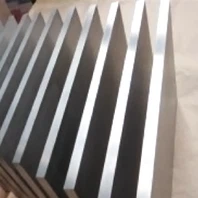
Hey there! As a supplier of ASTM A514, I often get asked about the heat-treatment process of this high-strength steel. So, I thought I'd share some insights on it in this blog post.
ASTM A514 is a quenched and tempered alloy steel plate that's known for its high yield strength and excellent toughness. It's commonly used in applications where high strength-to-weight ratio is required, such as construction equipment, bridges, and offshore structures.
The heat-treatment process of ASTM A514 is crucial to achieving its desired mechanical properties. It typically involves two main steps: quenching and tempering.
Quenching
Quenching is the first step in the heat-treatment process. It involves heating the steel to a specific temperature and then rapidly cooling it in a quenching medium, such as water or oil. This rapid cooling causes the steel to transform into a hard and brittle phase called martensite.

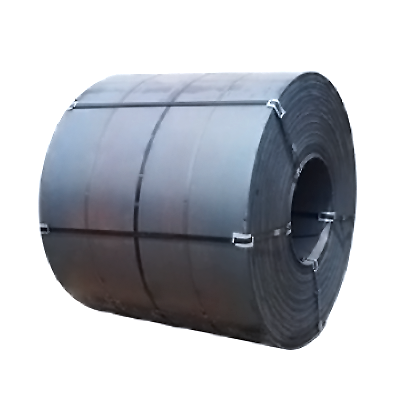
The quenching temperature for ASTM A514 usually ranges from 815°C to 900°C (1500°F to 1650°F). The exact temperature depends on the specific grade of ASTM A514 and the thickness of the plate. Once the steel reaches the quenching temperature, it's held there for a certain period of time to ensure uniform heating throughout the plate.
After the holding time, the plate is quickly transferred to the quenching medium. The quenching rate is critical, as it determines the amount of martensite formed in the steel. A faster quenching rate leads to more martensite and higher hardness, but it also increases the risk of cracking. On the other hand, a slower quenching rate results in less martensite and lower hardness, but it reduces the risk of cracking.
Tempering
Tempering is the second step in the heat-treatment process. It involves heating the quenched steel to a temperature below its lower critical temperature and then holding it there for a specific period of time. This process helps to relieve the internal stresses created during quenching and improves the toughness of the steel.
The tempering temperature for ASTM A514 typically ranges from 595°C to 675°C (1100°F to 1250°F). The exact temperature depends on the desired mechanical properties of the steel. After the holding time, the plate is slowly cooled in air.
Tempering not only reduces the brittleness of the steel but also improves its ductility and impact resistance. It also helps to stabilize the microstructure of the steel and prevent it from undergoing further transformation during service.
Benefits of Heat Treatment
The heat-treatment process of ASTM A514 offers several benefits, including:
- High Strength: Quenching and tempering significantly increase the yield strength and tensile strength of the steel, making it suitable for high-stress applications.
- Good Toughness: Tempering improves the toughness of the steel, reducing the risk of brittle fracture.
- Uniform Properties: The heat-treatment process ensures uniform mechanical properties throughout the plate, which is important for consistent performance.
- Weldability: Heat-treated ASTM A514 has good weldability, allowing it to be easily joined with other components.
Other Considerations
In addition to quenching and tempering, there are some other factors to consider during the heat-treatment process of ASTM A514. For example, the surface condition of the plate can affect the heat transfer rate during quenching. A dirty or oxidized surface can slow down the quenching rate and result in uneven hardness.
Also, the size and shape of the plate can influence the heat-treatment process. Larger and thicker plates may require longer heating and holding times to ensure uniform heating. Similarly, plates with complex shapes may experience uneven cooling during quenching, leading to distortion or cracking.
Related Products
If you're interested in other high-strength steel plates, you might want to check out S460QL1 690ql Plate, S460QL, and S890QL. These plates also offer excellent mechanical properties and are suitable for a wide range of applications.
Contact for Procurement
If you're in the market for ASTM A514 or any of the related high-strength steel plates, feel free to reach out to us. We're here to help you find the right products for your specific needs. Whether you have questions about the heat-treatment process, the mechanical properties, or the availability of the plates, don't hesitate to contact us for a detailed discussion. We look forward to working with you and providing you with top-quality steel products.
References
- ASTM International. ASTM A514/A514M - 19 Standard Specification for High-Yield-Strength, Quenched and Tempered Alloy Steel Plate, Suitable for Welding.
- ASM Handbook, Volume 4: Heat Treating. ASM International.