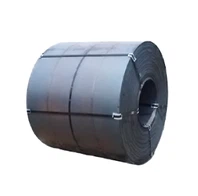
As a reputable pressure vessel plate supplier, I understand the critical importance of proper maintenance for these essential components. Pressure vessel plates are used in a wide range of industries, including oil and gas, chemical processing, power generation, and more, where they are subjected to high pressure, extreme temperatures, and corrosive environments. Therefore, maintaining the integrity and performance of pressure vessel plates is crucial for ensuring the safety and reliability of the equipment. In this blog, I will share some effective maintenance methods for pressure vessel plates.
Regular Inspection
Regular inspection is the cornerstone of pressure vessel plate maintenance. Visual inspections should be carried out frequently to detect any signs of damage, such as cracks, corrosion, or deformation. Inspectors can use simple tools like magnifying glasses or binoculars to examine the surface of the plates closely. Ultrasonic testing, radiographic testing, and magnetic particle testing are also common non - destructive testing methods that can be used to detect internal and surface defects that may not be visible to the naked eye.
For areas where the vessel is exposed to harsh chemicals or where condensation is likely to occur, more frequent inspections are necessary. These areas are prone to accelerated corrosion, which can severely compromise the structural integrity of the pressure vessel plate. For instance, in a chemical processing plant, the plates in contact with acidic or alkaline substances need to be inspected at least quarterly to prevent unseen damage from spreading.
Corrosion Prevention
Corrosion is one of the most significant threats to pressure vessel plates. The first step in corrosion prevention is to choose the right material for the specific application. For example, P335GH Pressure Plate SA516GR70 is a popular choice for many pressure vessel applications due to its good corrosion resistance and high strength.
Applying protective coatings is another effective way to prevent corrosion. There are various types of coatings available, such as epoxy coatings, zinc - rich primers, and ceramic coatings. Epoxy coatings are widely used because they provide good adhesion, chemical resistance, and mechanical protection. The coating should be applied according to the manufacturer's instructions, and any damaged areas should be repaired immediately to maintain the protective barrier.
In addition to coatings, cathodic protection can also be used to prevent corrosion. Cathodic protection works by making the pressure vessel plate the cathode of an electrochemical cell, which reduces the rate of corrosion. There are two main types of cathodic protection: sacrificial anode cathodic protection and impressed current cathodic protection. Sacrificial anode cathodic protection is suitable for small - scale applications, while impressed current cathodic protection is more commonly used for large - scale or high - risk applications.
Temperature and Pressure Management
Pressure vessel plates are designed to operate within specific temperature and pressure ranges. Exceeding these limits can cause the plates to deform, crack, or even fail catastrophically. Therefore, it is essential to monitor and control the temperature and pressure of the vessel during operation.
Installing pressure sensors and temperature sensors is a basic requirement. These sensors can provide real - time data on the operating conditions of the vessel, allowing operators to take appropriate actions if the temperature or pressure approaches the critical limits. For example, if the pressure starts to rise unexpectedly, the operator can adjust the flow rate of the fluid inside the vessel or release some of the pressure through a relief valve.
Thermal insulation can also play an important role in temperature management. By insulating the pressure vessel, it is possible to reduce heat loss or gain, which helps to maintain a stable operating temperature. Insulation materials should be selected based on their thermal properties, durability, and resistance to environmental factors.
Cleaning and Maintenance of Accessories
Pressure vessel plates are often equipped with various accessories, such as valves, flanges, and gaskets. These accessories also need to be properly maintained to ensure the overall performance of the pressure vessel.
Valves should be inspected regularly for leaks, proper operation, and signs of wear. They should be lubricated according to the manufacturer's recommendations, and any damaged parts should be replaced promptly. Flanges and gaskets are critical for preventing leaks in the vessel connections. The gaskets should be replaced at regular intervals, especially if they are exposed to high - pressure or high - temperature conditions.
When cleaning the pressure vessel and its accessories, it is important to use appropriate cleaning agents. Harsh chemicals can cause damage to the plates and accessories, so mild detergents or specialized cleaning solutions should be used. After cleaning, the vessel and accessories should be thoroughly dried to prevent corrosion.
Record - Keeping and Documentation
Keeping detailed records of the maintenance activities is essential for pressure vessel plate management. Records should include inspection reports, maintenance schedules, repair history, and any changes in the operating conditions of the vessel. These records can provide valuable information for future maintenance and help to identify trends or potential problems.
Documentation also plays an important role in regulatory compliance. In many industries, pressure vessels are subject to strict safety regulations, and proper documentation is required to demonstrate that the vessel has been maintained in accordance with the relevant standards.
Training and Education
Lastly, providing proper training and education to the operators and maintenance personnel is crucial. They should be familiar with the operating principles of the pressure vessel, the maintenance methods, and the safety procedures. Training programs can include theoretical courses, practical demonstrations, and on - site training.
By ensuring that the personnel have the necessary knowledge and skills, it is possible to reduce the risk of human - error - related accidents and improve the effectiveness of the maintenance activities.
In conclusion, proper maintenance of pressure vessel plates is essential for the safety, reliability, and longevity of the equipment. By implementing regular inspections, corrosion prevention measures, temperature and pressure management, cleaning and maintenance of accessories, record - keeping, and training programs, it is possible to keep the pressure vessel plates in optimal condition.
If you are in the market for high - quality pressure vessel plates, such as P295GH or SA387GR11 A387 steel plate, or if you need more information about their maintenance, please feel free to contact us for procurement and further discussions. We are committed to providing you with the best products and services.
References
- ASME Boiler and Pressure Vessel Code.
- NACE International - The Corrosion Society publications.
- API (American Petroleum Institute) standards for pressure vessels.