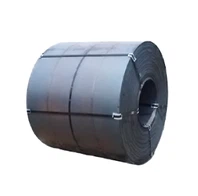
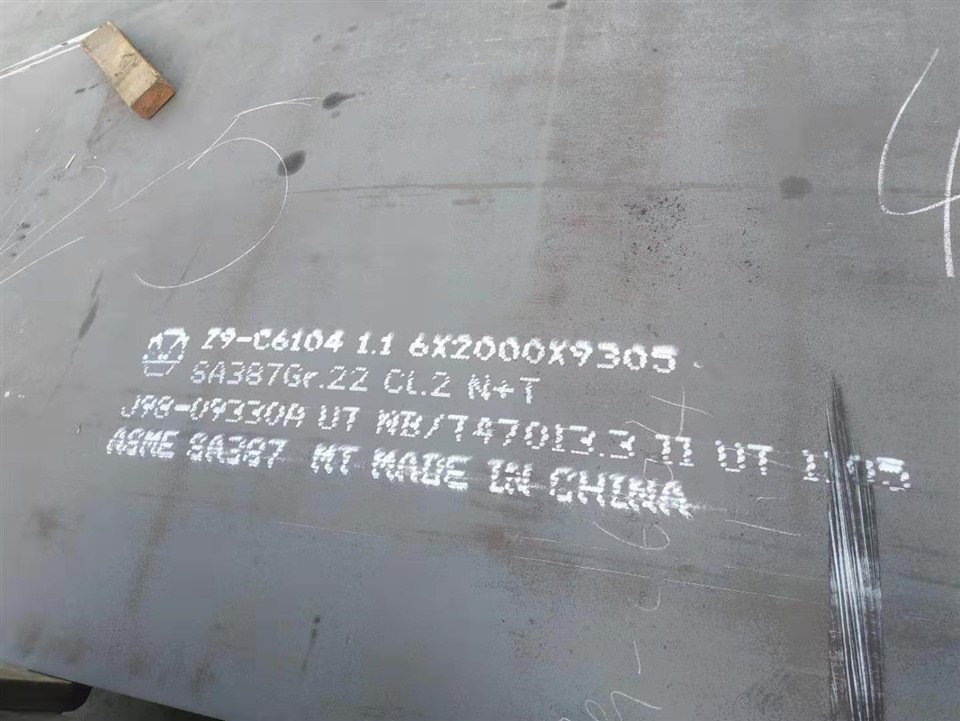
Hey there! As a supplier of Pressure Vessel Plate, I've seen firsthand the fascinating impact of aging treatment on these crucial materials. Let's dive right in and explore what this treatment means for Pressure Vessel Plates.
What’s Aging Treatment?
Before we talk about the effects, let's figure out what aging treatment actually is. Aging treatment, also known as precipitation hardening, is a heat - treatment process. We heat the Pressure Vessel Plate to a certain temperature and then hold it there for a specific period. After that, we cool it down under controlled conditions. This process helps in forming tiny particles within the metal's structure, which can change its properties in a big way.
Impact on Mechanical Properties
One of the most significant effects of aging treatment on Pressure Vessel Plate is on its mechanical properties.
Strength
The strength of the plate usually goes up after aging treatment. Those small particles that form during aging act as obstacles to the movement of dislocations in the metal. Dislocations are like defects in the crystal structure of the metal, and when they can't move easily, the metal becomes stronger. For example, in some of the SA387GR11 A387 steel plate we supply, aging treatment can increase the yield strength by a noticeable margin. This is super important as pressure vessels often operate under high internal pressures, and a stronger plate can better withstand these forces without deforming.
Hardness
Hardness is also influenced by aging treatment. The precipitation of small particles makes it harder for the material to be indented or scratched. The increased hardness means that the Pressure Vessel Plate can resist wear and tear better. If the pressure vessel is in an environment where there's a risk of impact or abrasion, a harder plate will last longer.
Ductility
However, there's a bit of a trade - off. While strength and hardness go up, the ductility of the plate can decrease. Ductility is the ability of a material to deform plastically before fracturing. With aging treatment, the formation of particles restricts the movement of atoms, making the material less likely to stretch or bend without breaking. This is something we always need to keep in mind when deciding whether to use aging treatment, especially if the pressure vessel will need to undergo some degree of deformation during installation or use.
Impact on Corrosion Resistance
Corrosion is a big concern when it comes to Pressure Vessel Plates. Luckily, aging treatment can have a positive impact on corrosion resistance.
The formation of certain particles during aging can create a more stable surface layer on the plate. This layer acts as a barrier between the metal and the surrounding environment, reducing the rate of corrosion. For instance, in ASTM A537CL2 SA285GrB plates, the aging treatment can enhance their resistance to rust and other forms of corrosion. This is a huge advantage since pressure vessels are often used in harsh environments where they are exposed to moisture, chemicals, and other corrosive substances.
Impact on Microstructure
Aging treatment also has a profound effect on the microstructure of the Pressure Vessel Plate.
During the treatment, the initial homogeneous structure of the metal changes. New phases and particles are formed. These new structures can have different compositions and crystal structures compared to the original base metal. This microstructural change is what leads to the alterations in mechanical and corrosion properties. For example, if you look at a SA516GR70 plate under a microscope before and after aging treatment, you'll notice distinct differences in the grain size and the presence of precipitates.
Factors Affecting the Effect of Aging Treatment
The impact of aging treatment isn't always the same. Several factors can influence how the Pressure Vessel Plate responds to the treatment.
Temperature and Time
The temperature at which the aging treatment is carried out and the time it lasts are critical. Higher temperatures and longer times generally lead to more significant precipitation and property changes. But if the temperature is too high or the time is too long, over - aging can occur. Over - aging can cause a decrease in strength and other negative effects on the material's properties.
Alloy Composition
The type and amount of alloying elements in the Pressure Vessel Plate also matter. Different alloys will form different types of precipitates during aging treatment. For example, plates with more nickel or chromium may have different responses to aging compared to those with higher amounts of manganese or silicon.
Applications and Considerations
When deciding whether to use aging treatment on Pressure Vessel Plates, we need to consider the specific application.
If the pressure vessel will be used in a high - pressure and high - stress environment, the increased strength from aging treatment can be a huge advantage. But if the vessel will experience significant bending or stretching during its life cycle, the reduced ductility might be a problem.
We also need to think about the cost. Aging treatment involves additional heat - treatment steps, which can increase the production cost. So, we have to balance the benefits of improved properties against the added cost.
Conclusion and Call to Action
In conclusion, aging treatment has both positive and negative effects on Pressure Vessel Plates. It can enhance strength, hardness, and corrosion resistance, but it may reduce ductility. As a supplier, we carefully consider these factors when recommending the right type of treatment for our customers' needs.
If you're in the market for Pressure Vessel Plates and want to learn more about how aging treatment can benefit your specific application, don't hesitate to reach out. We're here to help you make the best choice for your pressure vessel projects.
References
- "Metallurgy and Heat Treatment of Metals" by some well - known authors in the field.
- Technical reports from industry associations related to pressure vessel manufacturing.