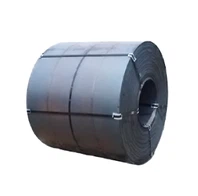
Hey there! As a supplier of ASTM A537CL2, I've seen firsthand how tempering can really change this steel's properties. Let's dig into what tempering is and how it affects ASTM A537CL2.
First off, what's tempering? Tempering is a heat - treatment process. After the steel is quenched (rapidly cooled), it's heated to a specific temperature below its critical point and then cooled at a controlled rate. This process is crucial because it can adjust the steel's internal structure, which in turn changes its mechanical properties.
Effects on Hardness
One of the most noticeable effects of tempering on ASTM A537CL2 is on its hardness. Right after quenching, the steel is super hard but also very brittle. This brittleness can be a big problem in many applications because the steel is likely to crack under stress.
When we temper the ASTM A537CL2, we're essentially reducing its hardness. As the tempering temperature goes up, the hardness of the steel goes down. This is because the internal structure of the steel changes. The hard martensite, which forms during quenching, starts to transform into other phases that are less hard.
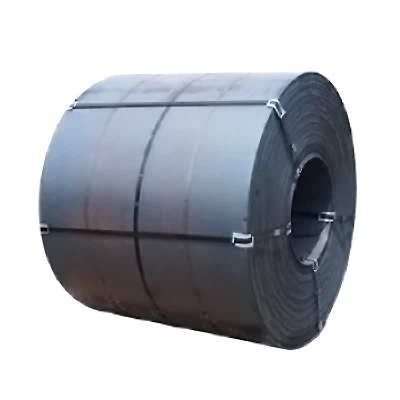
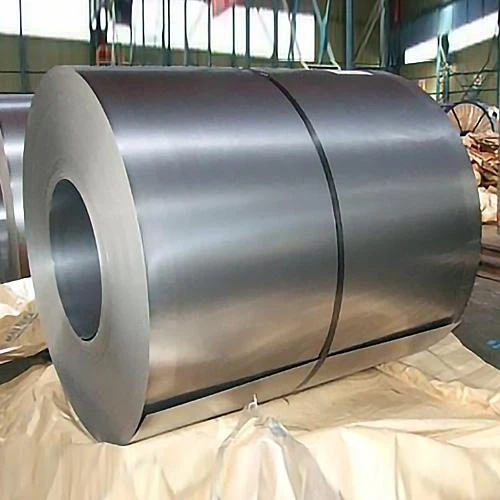
For example, if you're using ASTM A537CL2 in a pressure vessel, you don't want it to be too hard and brittle. A tempered steel with the right hardness can withstand the pressure and stress in the vessel without cracking. You can find more about related steel products like SA387GR11 A387 steel plate, which also go through similar heat - treatment processes to achieve the desired properties.
Impact on Toughness
Toughness is another key property affected by tempering. Toughness is the ability of the steel to absorb energy and deform plastically before fracturing. As I mentioned earlier, quenched ASTM A537CL2 is brittle and has low toughness.
Tempering significantly improves the toughness of the steel. By reducing the hardness and changing the internal structure, the steel becomes more ductile. It can bend and stretch more without breaking. This is extremely important in applications where the steel might experience impact loads.
Let's say you're building a large storage tank with ASTM A537CL2. If there's an accidental impact, a tough steel can absorb the energy from the impact without shattering. This is where tempering plays a vital role. You can also check out P275NL1, which is also used in similar applications and has its own set of mechanical properties influenced by heat - treatment.
Influence on Ductility
Ductility is related to toughness. It's the ability of the steel to be drawn into a wire or deformed without breaking. Just like toughness, the ductility of ASTM A537CL2 increases with tempering.
During tempering, the internal stresses in the steel are relieved, and the microstructure becomes more uniform. This allows the steel to deform more easily. In manufacturing processes like forming or bending, a ductile steel is much easier to work with. You can shape the ASTM A537CL2 into different forms without worrying too much about it cracking.
Changes in Strength
Strength is a combination of hardness and toughness. When we temper ASTM A537CL2, we're making a trade - off. As the hardness decreases, the yield strength and ultimate tensile strength also change.
At lower tempering temperatures, the decrease in strength is relatively small, and we still get an improvement in toughness. But as the tempering temperature gets higher, the strength of the steel starts to drop more significantly.
In applications where high strength is required, you need to find the right balance between strength and other properties like toughness and ductility. For instance, in the construction of bridges, the ASTM A537CL2 used needs to have enough strength to support the weight but also enough toughness to withstand dynamic loads. You might also be interested in P335GH Pressure Plate SA516GR70, which is used in high - pressure applications and also has specific strength requirements.
Effects on Fatigue Resistance
Fatigue resistance is the ability of the steel to withstand repeated loading without failing. Tempering can have a positive effect on the fatigue resistance of ASTM A537CL2.
The improved toughness and more uniform microstructure after tempering help the steel resist the initiation and propagation of cracks under cyclic loading. This is crucial in applications where the steel is subjected to repeated stress, such as in rotating machinery or vehicles.
How to Control Tempering for Desired Properties
As a supplier, I know that controlling the tempering process is key to getting the right properties in ASTM A537CL2. The tempering temperature, time, and cooling rate all play important roles.
The tempering temperature is the most critical factor. Different tempering temperatures will result in different levels of hardness, toughness, strength, and ductility. The time at the tempering temperature also matters. Longer tempering times can lead to more complete microstructural changes.
The cooling rate after tempering can also affect the final properties. A slow cooling rate might result in a more stable microstructure, while a fast cooling rate could cause some internal stresses.
Conclusion
In conclusion, tempering has a profound impact on the properties of ASTM A537CL2. It allows us to adjust the hardness, toughness, ductility, strength, and fatigue resistance of the steel to meet the specific requirements of different applications.
If you're in the market for ASTM A537CL2 or other related steel products, and you want to discuss how the tempering process can be optimized for your project, don't hesitate to reach out. We're here to help you get the best - suited steel for your needs.
References
- ASM Handbook Volume 4: Heat Treating. ASM International.
- Steel Heat Treatment: Metallurgy and Technologies. George E. Totten, David Scott MacKenzie.