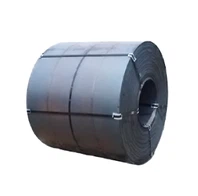
Hey there! As a heavy plate supplier, I've been in the thick of the industry for quite some time. One question that keeps popping up from our clients is, "How to evaluate the quality of heavy plates?" Well, let's dive right into it and break down the key factors you should consider when you're looking to buy heavy plates.
1. Chemical Composition
First off, the chemical composition of a heavy plate is like its DNA. It determines a whole bunch of properties, such as strength, toughness, and corrosion resistance. Different types of heavy plates have different chemical requirements. For example, P460QL2 Vessel Plate A516GR70 is known for its specific alloying elements that make it suitable for vessel applications. These elements need to be within a certain range to ensure the plate meets the required standards.
Carbon is one of the most important elements. A higher carbon content generally means higher strength, but it can also reduce ductility and weldability. So, it's a bit of a balancing act. Other elements like manganese, silicon, sulfur, and phosphorus also play crucial roles. Manganese can improve strength and toughness, while sulfur and phosphorus are usually kept at low levels because they can have a negative impact on the plate's properties.
2. Mechanical Properties
Mechanical properties are what really matter when it comes to how a heavy plate will perform in real - world applications. The two main mechanical properties we're interested in are strength and toughness.


Strength
Strength is all about how much load a plate can handle without deforming or breaking. There are two types of strength we commonly look at: yield strength and tensile strength. Yield strength is the stress at which the plate starts to deform permanently, while tensile strength is the maximum stress the plate can withstand before it breaks.
For example, A633GRD Low Alloy Steel Plate has specific strength requirements. If you're using the plate for a structural application, you need to make sure it has enough strength to support the loads it will be subjected to.
Toughness
Toughness is the ability of the plate to absorb energy without fracturing. This is especially important in applications where the plate may be exposed to impact loads. A tough plate can withstand sudden shocks without breaking, which is crucial for safety. We usually measure toughness using tests like the Charpy V - notch test. In this test, a small sample of the plate is struck with a pendulum, and the energy absorbed during the fracture is measured.
3. Surface Quality
The surface quality of a heavy plate can't be overlooked. A good surface finish not only looks better but also has practical implications. A smooth surface is less likely to have defects that could lead to stress concentrations and premature failure.
Surface defects can include cracks, pits, scale, and scratches. Cracks are a big no - no because they can propagate under stress and cause the plate to fail. Pits can reduce the cross - sectional area of the plate, which can affect its strength. Scale is a layer of oxidized metal that can flake off and cause problems in some applications. Scratches may seem minor, but they can also act as stress raisers.
When inspecting the surface of a heavy plate, we look for these defects visually and sometimes use non - destructive testing methods like magnetic particle inspection or ultrasonic testing to detect hidden defects.
4. Dimensional Accuracy
Dimensional accuracy is another important factor. Heavy plates need to have the right thickness, width, and length. If the thickness is off, it can affect the plate's strength and performance. For example, if a plate is supposed to be 20 mm thick but is actually 18 mm thick, it may not be able to support the loads it was designed for.
Width and length are also important, especially in applications where the plate needs to fit precisely into a structure. We use precision measuring tools like calipers and micrometers to ensure that the dimensions of the plate are within the specified tolerances.
5. Heat Treatment
Heat treatment can significantly alter the properties of a heavy plate. It's a process where the plate is heated to a specific temperature and then cooled at a controlled rate. Different heat treatment processes can be used to achieve different properties.
For example, quenching and tempering is a common heat treatment process for high - strength plates. Quenching involves rapid cooling of the plate from a high temperature, which hardens the plate. Tempering is then done to reduce the brittleness caused by quenching and improve the plate's toughness.
Some plates, like S355JR, may have specific heat treatment requirements to meet the desired mechanical properties. So, when evaluating the quality of a heavy plate, it's important to know what heat treatment it has undergone and whether it was done correctly.
6. Certification and Traceability
Certification is a key indicator of the quality of a heavy plate. Reputable suppliers should be able to provide certificates that show the plate meets the relevant standards. These certificates usually include information about the chemical composition, mechanical properties, and heat treatment of the plate.
Traceability is also important. It allows you to track the origin of the plate and ensure that it has been manufactured and tested according to the required procedures. A good supplier will be able to provide detailed traceability records, which can give you peace of mind when you're using the plate in your projects.
7. Weldability
In many applications, heavy plates need to be welded together. So, weldability is an important consideration. A plate with good weldability can be easily joined to other plates without causing defects like cracks or porosity in the weld.
Factors that affect weldability include the chemical composition of the plate, its thickness, and the heat treatment it has undergone. Plates with high carbon or alloy content may be more difficult to weld. To improve weldability, some plates may require pre - heating before welding or post - weld heat treatment.
Making the Right Choice
Evaluating the quality of heavy plates is a multi - faceted process. You need to consider all these factors together to make an informed decision. At our company, we take pride in providing high - quality heavy plates that meet all these criteria. We have strict quality control measures in place to ensure that every plate we supply is of the highest standard.
If you're in the market for heavy plates, whether it's P460QL2 Vessel Plate A516GR70, A633GRD Low Alloy Steel Plate, or S355JR, we're here to help. We can provide you with detailed information about the plates, including their chemical composition, mechanical properties, and test results.
If you're interested in purchasing heavy plates, we encourage you to get in touch with us. We'll be happy to discuss your specific requirements and provide you with a quote. Our team of experts is always ready to assist you in making the right choice for your project.
References
- ASME Boiler and Pressure Vessel Code
- ASTM International Standards for Steel Plates
- AWS Welding Handbook