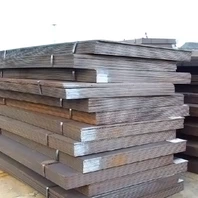
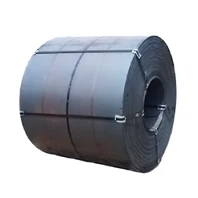
Hey there! As a heavy plate supplier, I know firsthand how crucial it is to optimize the production process to cut costs. In this blog, I'm gonna share some tips and tricks that have worked for me over the years. Let's dive right in!
1. Raw Material Sourcing
The first step in cost - reduction is getting the best deal on raw materials. We need to establish long - term partnerships with reliable suppliers. By doing so, we can negotiate better prices, volume discounts, and more favorable payment terms.
For example, when sourcing materials for our S355JO heavy plates, we've found that suppliers who are willing to work closely with us on quality control and delivery schedules are more likely to offer us better prices. It's also important to keep an eye on the market trends. If the price of a certain alloy is expected to drop, we can time our purchases accordingly.
Another thing we do is to consider alternative raw materials. Sometimes, there are materials that can perform just as well as the traditional ones but at a lower cost. However, we have to be really careful when making this switch. We need to test the new materials thoroughly to make sure they meet our quality standards.
2. Production Planning
Efficient production planning is key to cost optimization. We need to have a clear understanding of our production capacity and customer demand. By creating a detailed production schedule, we can avoid over - production or under - production.
Over - production leads to excess inventory, which ties up our capital and incurs storage costs. On the other hand, under - production can result in missed sales opportunities and dissatisfied customers.
We use advanced software to forecast demand based on historical data, market trends, and customer feedback. This helps us to plan our production more accurately. For instance, if we know that the demand for NM450 Abrasion Resistant Wear Plates is going to increase in the next quarter, we can adjust our production schedule to meet that demand.
In addition, we try to group similar orders together. This way, we can reduce the setup time between different production runs. For example, if we have multiple orders for A572GR50 heavy plates, we can produce them in one batch, which saves time and energy.
3. Process Optimization
The production process itself offers a lot of opportunities for cost reduction. We constantly look for ways to improve the efficiency of each step in the process.
One of the things we've done is to invest in modern equipment. Newer machines are often more energy - efficient and can produce higher - quality products at a faster rate. For example, our new rolling mill can roll heavy plates more precisely and with less waste.
We also train our workers regularly to ensure they are using the equipment correctly and following the best practices. A well - trained workforce can operate the machines more efficiently, which reduces the risk of breakdowns and rework.
Another aspect of process optimization is waste reduction. We analyze our production process to identify sources of waste, such as scrap metal, excess energy consumption, and inefficient use of raw materials. By implementing measures to reduce waste, we can save a significant amount of money. For example, we recycle the scrap metal generated during the production process, which not only reduces waste but also provides us with a source of additional raw materials.
4. Quality Control
Quality control is not just about ensuring that our products meet the customer's requirements; it also has a direct impact on costs. Poor quality products often lead to rework, returns, and customer complaints, all of which are costly.
We have a strict quality control system in place. We conduct inspections at every stage of the production process, from raw material inspection to final product testing. This helps us to catch any quality issues early on and take corrective actions before they become major problems.
For example, we use non - destructive testing methods to check the internal quality of the heavy plates. This allows us to detect any defects without damaging the product. By ensuring high - quality products, we can build a good reputation in the market, which in turn leads to more business and higher profits.
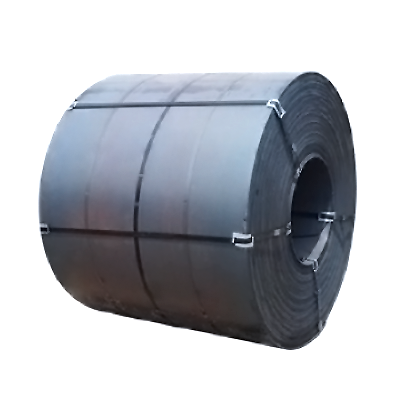
5. Supply Chain Management
Managing the supply chain effectively is essential for cost reduction. We need to ensure that our products are delivered to the customers on time and at a reasonable cost.
We work closely with our logistics partners to optimize the transportation process. We choose the most cost - effective shipping methods and routes. For example, if we are shipping heavy plates to a nearby location, we might choose to use trucks instead of trains or ships to reduce the transportation time and cost.
We also try to reduce the lead time in the supply chain. By reducing the time it takes for our products to reach the customers, we can improve customer satisfaction and reduce the inventory holding cost.
6. Continuous Improvement
The process of optimizing the production process is never - ending. We need to constantly monitor our performance and look for areas where we can make further improvements.
We collect data on various aspects of our production process, such as production efficiency, quality, and cost. By analyzing this data, we can identify trends and patterns and make informed decisions.
For example, if we notice that the energy consumption in a particular production line has been increasing over time, we can investigate the cause and take steps to reduce it. We also encourage our employees to suggest ideas for improvement. They are the ones who are on the front line of the production process, and they often have valuable insights.
In conclusion, optimizing the production process of heavy plates to reduce costs requires a comprehensive approach. It involves everything from raw material sourcing to supply chain management. By implementing the strategies mentioned above, we can not only reduce costs but also improve the quality of our products and increase customer satisfaction.
If you're interested in our heavy plates or want to discuss how we can work together to meet your specific needs, feel free to reach out. We're always happy to have a chat and explore potential business opportunities.
References
- "Manufacturing Cost Accounting and Management" by John Doe
- "Supply Chain Management Best Practices" by Jane Smith
- Industry reports on heavy plate production and cost optimization