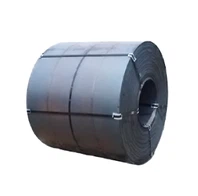
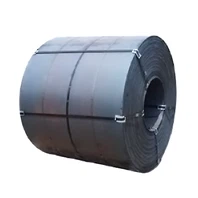
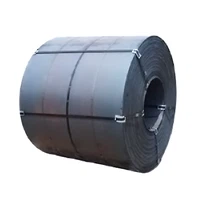
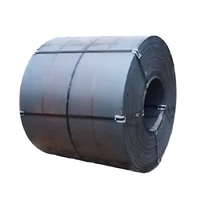
Temperature changes can have significant effects on abrasion plates, which are crucial components in various industrial applications. As an abrasion plate supplier, I have witnessed firsthand how temperature variations can impact the performance and longevity of these plates. In this blog post, I will explore the effects of temperature changes on abrasion plates and discuss how to mitigate these effects to ensure optimal performance.
Thermal Expansion and Contraction
One of the primary effects of temperature changes on abrasion plates is thermal expansion and contraction. When the temperature rises, the atoms in the metal lattice of the abrasion plate gain energy and vibrate more vigorously, causing the plate to expand. Conversely, when the temperature drops, the atoms lose energy and vibrate less, resulting in contraction.
This expansion and contraction can lead to several issues. Firstly, if the abrasion plate is rigidly fixed in place, the thermal stress generated by the expansion and contraction can cause the plate to warp, crack, or even break. This can compromise the integrity of the plate and reduce its effectiveness in resisting abrasion.
Secondly, the expansion and contraction can also affect the fit and alignment of the abrasion plate with other components in the system. For example, if the plate expands and presses against adjacent parts, it can cause interference and increase the risk of wear and tear on those parts. On the other hand, if the plate contracts, gaps may form between the plate and other components, allowing debris and particles to enter and cause damage.
To mitigate the effects of thermal expansion and contraction, it is important to design the installation of the abrasion plate to allow for some flexibility. This can be achieved by using expansion joints, flexible mounts, or allowing for some clearance between the plate and other components. Additionally, selecting an abrasion plate with a low coefficient of thermal expansion can help reduce the magnitude of the expansion and contraction.
Hardness and Wear Resistance
Temperature changes can also have a significant impact on the hardness and wear resistance of abrasion plates. In general, as the temperature increases, the hardness of the metal decreases, making the plate more susceptible to wear and abrasion. This is because the increased temperature provides more energy for the atoms in the metal to move and rearrange, which can lead to a softening of the material.
Conversely, at low temperatures, the hardness of the metal may increase, but the ductility and toughness of the material may decrease. This can make the plate more brittle and prone to cracking and fracturing under impact or stress.
The wear resistance of an abrasion plate is closely related to its hardness. A harder plate generally offers better wear resistance, as it can withstand the abrasive forces exerted by the particles or materials it comes into contact with. However, as the temperature changes, the wear resistance of the plate may also change. For example, at high temperatures, the softening of the material can reduce its ability to resist wear, while at low temperatures, the brittleness of the plate can lead to premature failure.
To maintain the hardness and wear resistance of abrasion plates under different temperature conditions, it is important to select the appropriate material for the application. Some materials, such as NM400 Abrasion Plate and NM360 Abrasion Resistant Plate, NM360 Abrasion Resistant Plate, are specifically designed to offer good wear resistance over a wide range of temperatures. Additionally, heat treatment processes can be used to optimize the hardness and wear resistance of the plate for the specific operating conditions.
Corrosion and Oxidation
Temperature changes can also accelerate the corrosion and oxidation of abrasion plates. Corrosion is a chemical reaction that occurs when the metal in the plate reacts with oxygen, moisture, or other corrosive substances in the environment. Oxidation is a specific type of corrosion that involves the reaction of the metal with oxygen to form metal oxides.
Higher temperatures generally increase the rate of corrosion and oxidation, as they provide more energy for the chemical reactions to occur. Additionally, temperature changes can cause moisture to condense on the surface of the plate, creating a more corrosive environment.
Corrosion and oxidation can have a detrimental effect on the performance of abrasion plates. They can weaken the structure of the plate, reduce its thickness, and create rough surfaces that increase the friction and wear between the plate and the abrasive materials. In severe cases, corrosion and oxidation can lead to the complete failure of the plate.
To prevent corrosion and oxidation, it is important to protect the surface of the abrasion plate. This can be achieved by applying a protective coating, such as paint, epoxy, or zinc plating. Additionally, keeping the plate dry and clean, and avoiding exposure to corrosive substances, can help extend its lifespan.
Fatigue and Stress Cracking
Temperature changes can also induce fatigue and stress cracking in abrasion plates. Fatigue is a phenomenon that occurs when a material is subjected to repeated cyclic loading, such as vibrations or thermal cycling. Over time, the repeated loading can cause small cracks to form in the material, which can grow and eventually lead to failure.
Stress cracking is another type of failure that can occur due to temperature changes. When the plate is subjected to thermal stress, such as during rapid heating or cooling, the stress can exceed the strength of the material, causing cracks to form.
To reduce the risk of fatigue and stress cracking, it is important to design the abrasion plate to withstand the expected cyclic loading and thermal stress. This can involve using materials with high fatigue resistance, optimizing the shape and thickness of the plate, and avoiding sharp corners and notches that can concentrate stress.
Conclusion
In conclusion, temperature changes can have a wide range of effects on abrasion plates, including thermal expansion and contraction, changes in hardness and wear resistance, corrosion and oxidation, fatigue, and stress cracking. As an abrasion plate supplier, it is essential to understand these effects and work closely with customers to select the appropriate plate and installation methods to ensure optimal performance in different temperature conditions.
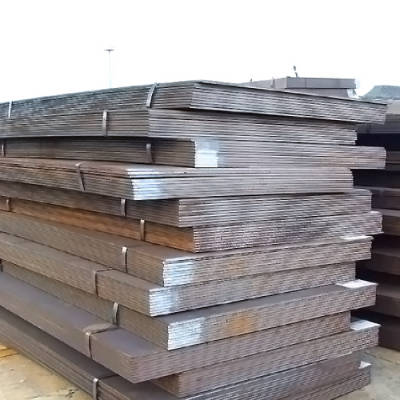
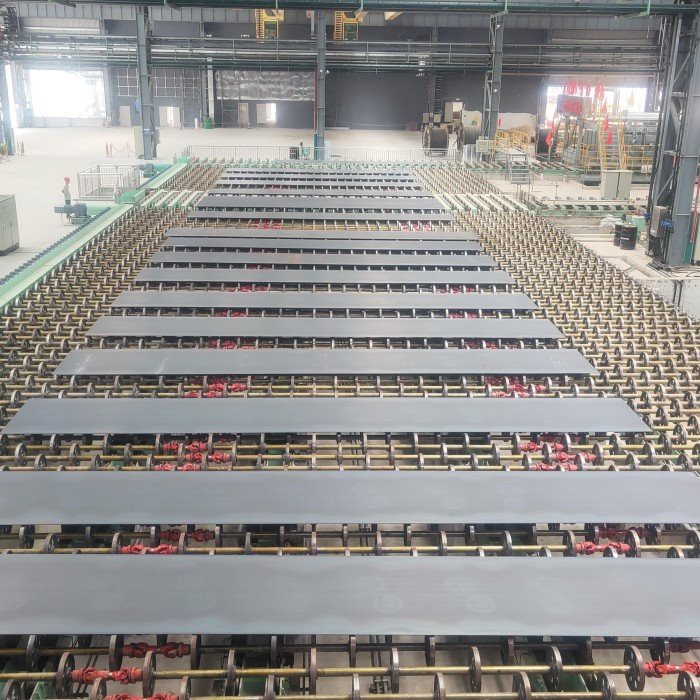
By choosing the right material, implementing proper installation techniques, and taking measures to protect the plate from corrosion and wear, we can help our customers extend the lifespan of their abrasion plates and reduce maintenance costs. If you are in need of abrasion plates for your industrial application, I encourage you to contact us for more information and to discuss your specific requirements. We are committed to providing high-quality abrasion plates and excellent customer service to meet your needs.
References
- Callister, W. D., & Rethwisch, D. G. (2017). Materials Science and Engineering: An Introduction. Wiley.
- ASM Handbook, Volume 1: Properties and Selection: Irons, Steels, and High-Performance Alloys. ASM International.
- Schütz, H. (2012). Wear of Materials. Springer.