Hey there! As a supplier of abrasion plates, I often get asked a bunch of questions from our customers. One question that pops up quite a bit is, "Can an abrasion plate resist high temperatures?" Well, let's dig into this topic and find out the answers.
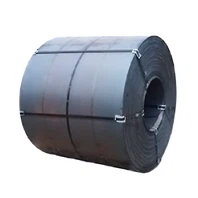
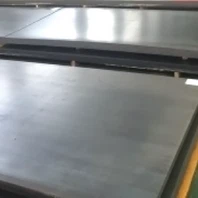
First off, let's understand what an abrasion plate is. Abrasion plates are specially designed steel plates that are super tough and can withstand a lot of wear and tear. They're used in all sorts of industries, like mining, construction, and manufacturing. When materials are constantly rubbing against each other or being impacted, these plates come in really handy to protect equipment and structures.
Now, when it comes to high temperatures, things get a bit more complicated. Different types of abrasion plates have different capabilities when it comes to heat resistance.
Let's talk about some of the popular abrasion plates we offer, like the NM360 Abrasion Resistant Plate and the NM400 Abrasion Plate. These plates are known for their excellent abrasion resistance, but how do they fare in high - temperature environments?
The NM360 Abrasion Resistant Plate is a workhorse in many applications. It has a good balance of hardness and toughness, which makes it great for resisting abrasion. But when it comes to high temperatures, its performance can change. At normal operating temperatures, say up to around 200 - 300 degrees Celsius, the NM360 can maintain a decent level of its mechanical properties. However, as the temperature goes higher, the steel starts to lose some of its hardness. The heat causes the steel's microstructure to change, and this can lead to a decrease in its abrasion resistance.
The NM400 Abrasion Plate is a step up in terms of hardness compared to the NM360. It's designed to handle more severe abrasion conditions. But again, high temperatures are a challenge. The NM400 can generally handle slightly higher temperatures than the NM360, maybe up to around 300 - 400 degrees Celsius. Beyond that, the same issues with microstructure changes and loss of hardness occur.
There are also other factors that affect an abrasion plate's ability to resist high temperatures. The chemical composition of the steel plays a huge role. For example, adding elements like chromium, nickel, and molybdenum can improve the steel's heat resistance. These elements form a protective oxide layer on the surface of the plate when it's exposed to high temperatures. This oxide layer acts as a barrier, preventing further oxidation and helping to maintain the plate's mechanical properties.
The thickness of the abrasion plate also matters. Thicker plates tend to retain their heat better and may be more resistant to the effects of high temperatures in the short term. But in the long run, if the temperature is high enough, even thick plates will experience changes in their properties.
So, can an abrasion plate resist high temperatures? The answer is yes and no. It depends on the type of plate, the specific temperature range, and the duration of exposure. Some abrasion plates are better suited for high - temperature applications than others.
If you're working in an environment where high temperatures are a concern, there are a few things you can do. First, you can choose a plate with a higher heat - resistant chemical composition. There are specialized abrasion plates on the market that are specifically designed to handle high - temperature conditions. These plates may be a bit more expensive, but they can save you a lot of money in the long run by reducing the need for frequent replacements.
Another option is to use some form of insulation. By insulating the abrasion plate, you can reduce the amount of heat that reaches the plate and help it maintain its properties for longer.
At our company, we understand that every customer's needs are different. That's why we offer a wide range of abrasion plates, including the NM360 Abrasion Resistant Plate. We can also provide technical advice to help you choose the right plate for your specific application, whether it's a high - temperature environment or not.
If you're in the market for abrasion plates and have questions about their performance in high - temperature conditions, don't hesitate to reach out. We're here to help you make the best choice for your business. Whether you need a small quantity for a one - time project or a large order for ongoing operations, we can work with you to meet your requirements.

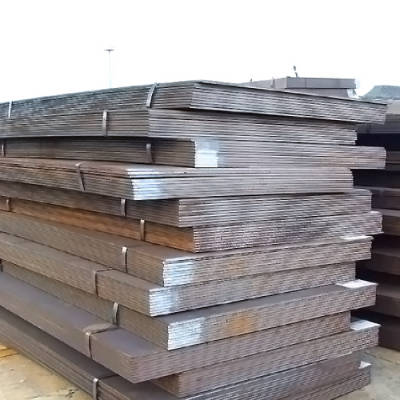
In conclusion, while abrasion plates have limitations when it comes to high temperatures, with the right choice of plate and proper precautions, you can still use them effectively in high - temperature environments. So, if you're looking for reliable abrasion plates that can stand up to the heat, give us a shout. We'll be more than happy to discuss your needs and find the perfect solution for you.
References:
- Steel Industry Handbook: General knowledge on steel properties and heat resistance.
- Technical specifications of NM360 and NM400 abrasion plates provided by steel manufacturers.