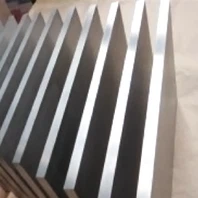
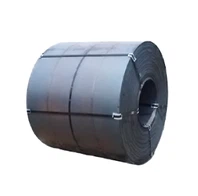
Hey there! As a supplier of JISG3106 SM490, I've seen firsthand how crucial it is to understand how temperature can mess with the performance of this steel. JISG3106 SM490 is a go - to choice in construction, bridges, and other heavy - duty applications because of its strength and toughness. But let's dig into how temperature throws a curveball at its performance.
Low - Temperature Effects
When the mercury drops, JISG3106 SM490 starts to act a bit differently. At low temperatures, the steel becomes more brittle. You see, the molecules in the steel slow down, and the energy required to break the atomic bonds decreases. This means that the steel is more likely to crack under stress without much warning.
For example, in cold regions where winter temperatures can plunge well below freezing, structures made from JISG3106 SM490 need to be extra carefully designed. If there are any pre - existing flaws or stress concentrations in the steel, low temperatures can turn them into potential failure points. A small crack that might not be a big deal at room temperature can quickly propagate and lead to a catastrophic failure in the cold.
One way to mitigate these low - temperature risks is to use impact testing. By conducting Charpy V - notch tests at low temperatures, we can get an idea of how the steel will perform under sudden impact loads. This helps engineers determine if the steel is suitable for use in cold environments. If the test results show that the steel's toughness is too low at a particular temperature, additional precautions like using a different grade of steel or adding insulation to the structure may be necessary.
High - Temperature Effects
On the flip side, high temperatures also have a significant impact on JISG3106 SM490. As the temperature rises, the strength of the steel starts to decline. The atomic structure of the steel begins to change, and the bonds between the atoms become weaker. This results in a reduction in the steel's yield strength and ultimate tensile strength.
In applications where the steel is exposed to high temperatures, such as in industrial furnaces or near fire - prone areas, this loss of strength can be a major concern. For instance, if a bridge made from JISG3106 SM490 is located near a chemical plant where high - temperature emissions are common, the long - term exposure to heat can gradually degrade the steel's performance.
Another issue at high temperatures is creep. Creep is the gradual deformation of a material under a constant load over time. JISG3106 SM490 is not immune to creep, especially at elevated temperatures. This means that even if the load on the steel is within its normal design limits, over time, it may start to deform and eventually fail. To deal with high - temperature conditions, engineers may use heat - resistant coatings or choose a different type of steel that is better suited for high - temperature applications.

Temperature and Weldability
Temperature also plays a big role in the weldability of JISG3106 SM490. When welding, the heat input can cause significant temperature changes in the steel. If the temperature is too high during welding, it can lead to issues like grain growth in the heat - affected zone (HAZ). Grain growth can make the HAZ weaker and more prone to cracking.
On the other hand, if the temperature is too low, the steel may not reach the proper fusion temperature, resulting in a poor - quality weld. To ensure good weldability, pre - heating and post - heating are often used. Pre - heating the steel before welding helps to reduce the cooling rate and minimize the risk of cracking. Post - heating can relieve residual stresses in the weld and the HAZ, improving the overall quality of the joint.
Comparison with Other Steels
It's interesting to compare how JISG3106 SM490 performs against other steels in different temperature conditions. For example, A633GRD Low Alloy Steel Plate is another popular choice in construction. A633GRD is known for its good strength and toughness at low temperatures. In cold environments, it may have an edge over JISG3106 SM490 in terms of its ability to resist brittle fracture.
NM450 Abrasion Resistant Wear Plates are designed mainly for wear - resistant applications. While they may not be directly comparable to JISG3106 SM490 in terms of structural use, their performance at high temperatures is also a factor. NM450 plates need to maintain their hardness and wear resistance even when exposed to heat, which is a different set of requirements compared to JISG3106 SM490.
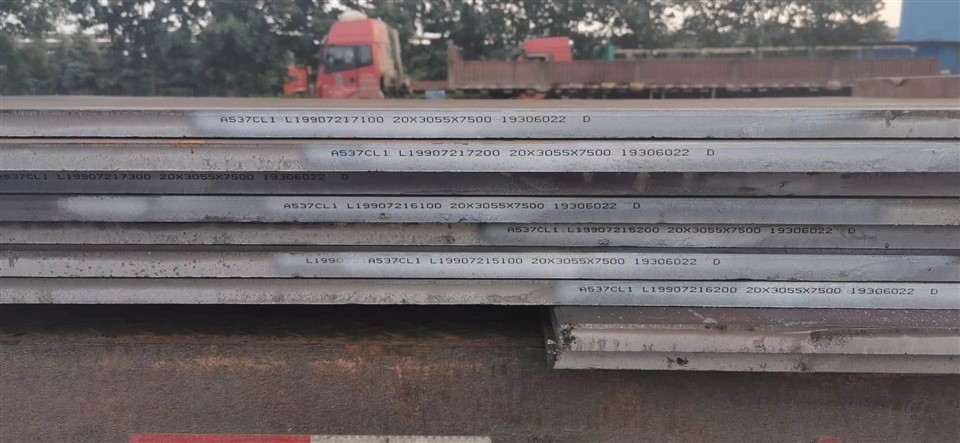
A537CL1 A537CL2 A537CL3 Asme Sa516 is often used in pressure vessels and storage tanks. These steels are designed to perform well under pressure and at different temperatures. Comparing them to JISG3106 SM490 can give us a better understanding of the unique properties of each steel and where they are best used.
Practical Considerations for Suppliers and Buyers
As a supplier of JISG3106 SM490, I always make sure to communicate with my customers about the temperature - related performance of the steel. When a customer is planning a project in a specific climate, I'll ask about the expected temperature range and the type of loads the steel will be subjected to. This helps me recommend the right grade and treatment of the steel.
For buyers, it's essential to be aware of how temperature can affect the performance of JISG3106 SM490. They should work closely with engineers and suppliers to ensure that the steel is properly specified for the intended application. This may involve specifying additional testing or treatment to account for temperature variations.
Conclusion
In conclusion, temperature has a profound impact on the performance of JISG3106 SM490. Whether it's the brittleness at low temperatures, the loss of strength at high temperatures, or the challenges in weldability, understanding these effects is crucial for the safe and successful use of this steel.
If you're in the market for JISG3106 SM490 or have questions about how it will perform in your specific application, don't hesitate to reach out. We can have a detailed discussion about your project requirements and find the best solution together.
References
- "Metallurgy of Steel" by George E. Dieter
- "Structural Steel Design" by Jack C. McCormac
- Various industry standards and guidelines related to JISG3106 SM490 and steel performance at different temperatures.