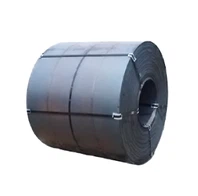
As an abrasion plate supplier, I've had the privilege of working with both domestic and imported abrasion plates. Through years of hands - on experience, I've come to understand the key differences between these two types of products. In this blog, I'll share my insights on what sets domestic and imported abrasion plates apart.
1. Quality and Standards
One of the most significant differences lies in the quality and the standards they adhere to. Imported abrasion plates often come from countries with long - standing reputations for high - quality steel production, such as Germany, Japan, and Sweden. These countries have strict manufacturing standards and advanced production technologies.
For instance, German steel manufacturers are known for their precision engineering. They use state - of - the - art equipment and follow rigorous quality control processes at every stage of production. This results in abrasion plates with consistent mechanical properties, uniform hardness, and excellent wear resistance.
On the other hand, domestic abrasion plates have made remarkable progress in recent years. Many domestic suppliers have adopted international standards and advanced production techniques. However, due to the large number of manufacturers in the domestic market, the quality can vary significantly. Some well - established domestic manufacturers can produce abrasion plates that are on par with imported ones in terms of quality. But there are also some smaller or less - experienced producers whose products may not meet the same high - end standards.
2. Cost
Cost is another crucial factor when comparing domestic and imported abrasion plates. Generally, imported abrasion plates are more expensive. This is mainly because of several reasons. Firstly, there are additional costs associated with importing, such as transportation fees, customs duties, and import taxes. These costs are ultimately passed on to the customers.
Secondly, the high - end production technologies and strict quality control measures used by foreign manufacturers also contribute to the higher price. For example, a Swedish - made abrasion plate might cost 30% - 50% more than a similar domestic product.
Domestic abrasion plates, on the other hand, offer a more cost - effective option. With lower production and transportation costs, domestic suppliers can provide abrasion plates at a more competitive price. This makes them an attractive choice for customers who are on a tight budget or those who require large quantities of abrasion plates.
3. Availability and Lead Time
When it comes to availability, domestic abrasion plates have a clear advantage. Since they are produced locally, they can be readily available in the market. Domestic suppliers usually have a large inventory of different types and sizes of abrasion plates. This means that customers can get their orders fulfilled quickly, often within a few days or even immediately in some cases.
In contrast, imported abrasion plates may face longer lead times. The shipping process from overseas can take weeks or even months, depending on the distance and shipping method. Additionally, there may be delays due to customs clearance procedures. For example, if a customer needs an urgent supply of abrasion plates for a project, waiting for an imported product may not be a feasible option.
4. Customization
Customization is an important aspect for many customers, especially those in specialized industries. Domestic suppliers are often more flexible when it comes to customization. They can work closely with customers to understand their specific requirements and produce abrasion plates with customized sizes, thicknesses, and surface treatments.
Domestic manufacturers have a better understanding of the local market and can respond more quickly to customer needs. They can also offer more cost - effective customization solutions. For example, if a customer needs an abrasion plate with a special hole pattern or a specific coating, a domestic supplier can usually accommodate these requests.
Imported suppliers, while they may have the technical ability to customize products, may be less flexible due to the long - distance communication and different business cultures. The customization process may also be more complex and time - consuming, which can be a drawback for customers who need quick turnaround times.
5. Product Range
Imported abrasion plates often offer a wider product range, especially in terms of high - end or specialized products. Some foreign manufacturers have been in the industry for decades and have developed advanced technologies to produce abrasion plates with unique properties. For example, they may offer abrasion plates with extremely high hardness or special corrosion - resistant properties that are not commonly available in the domestic market.
However, domestic suppliers are gradually expanding their product range. Many domestic manufacturers are investing in research and development to produce more advanced abrasion plates. For example, products like NM400 Abrasion Plate, NM360 Abrasion Resistant Plate, and NM500 Wear Steel Plate are some of the popular domestic abrasion plates that have gained recognition in the market.
6. After - sales Service
After - sales service is an important consideration for customers. Domestic suppliers generally offer better after - sales service. Since they are located locally, they can provide on - site support more easily. They can also respond quickly to customer inquiries and complaints. For example, if a customer has an issue with the installation or performance of an abrasion plate, a domestic supplier can send a technician to the site within a short period.

Imported suppliers may face challenges in providing timely after - sales service. The long distance can make it difficult to provide on - site support quickly. Communication barriers may also exist, which can lead to delays in resolving customer issues.
Conclusion
In conclusion, both domestic and imported abrasion plates have their own advantages and disadvantages. Imported abrasion plates are known for their high - quality, wide product range, and advanced technologies, but they come with a higher cost and longer lead times. Domestic abrasion plates, on the other hand, offer cost - effectiveness, quick availability, better customization options, and excellent after - sales service.
As an abrasion plate supplier, I understand that each customer has unique needs. Whether you are looking for a high - end imported product or a cost - effective domestic solution, I can assist you in making the right choice. If you are interested in purchasing abrasion plates, please feel free to contact me for more information and to start a procurement discussion. I'm committed to providing you with the best products and services to meet your requirements.
References
- "Steel Production and Quality Control in Different Countries", Journal of Steel Industry, 2022.
- "Cost Analysis of Domestic and Imported Abrasion Plates", Industrial Materials Review, 2021.
- "Customization Trends in the Abrasion Plate Market", Global Manufacturing Insights, 2023.