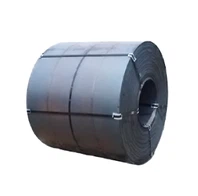
When it comes to building construction, the choice of materials is of utmost importance. ASTM A537 is a steel plate specification that has gained significant popularity in the industry due to its excellent mechanical properties and suitability for various construction applications. As a supplier of ASTM A537, I am often asked about the code requirements for using this material in building construction. In this blog post, I will delve into the key code requirements and provide insights to help you make informed decisions.
Understanding ASTM A537
ASTM A537 is a standard specification for pressure vessel plates, heat-treated, carbon - manganese - silicon steel. It is divided into two classes: ASTM A537 Class 1 and ASTM A537 Class 2. Class 1 is suitable for general applications where good notch toughness is required, while Class 2 offers even higher toughness and is often used in more demanding environments.
Design Codes and Standards
The use of ASTM A537 in building construction must comply with relevant design codes and standards. In the United States, the most commonly referenced codes are the American Institute of Steel Construction (AISC) codes and the American Society of Mechanical Engineers (ASME) codes.
The AISC codes, such as the AISC Steel Construction Manual, provide guidelines for the design of steel structures. These codes cover aspects like member design, connection design, and overall structural stability. When using ASTM A537, the design engineer must ensure that the material properties, such as yield strength, ultimate strength, and ductility, are properly accounted for in the design calculations.
The ASME codes, particularly the Boiler and Pressure Vessel Code (BPVC), are relevant when ASTM A537 is used in pressure - containing applications within a building. For example, if there are storage tanks or pressure vessels made of ASTM A537 in a building, the construction and installation must adhere to the requirements of the ASME BPVC. This includes rules for material selection, fabrication processes, inspection, and testing.
Material Requirements
Chemical Composition
ASTM A537 has specific requirements for chemical composition. The steel must contain appropriate amounts of carbon, manganese, silicon, sulfur, and phosphorus. For instance, the carbon content is typically limited to ensure the weldability and mechanical properties of the steel. The maximum carbon content for ASTM A537 Class 1 is usually around 0.27%, while for Class 2, it may be more strictly controlled.
Mechanical Properties
The mechanical properties of ASTM A537 are crucial for its performance in building construction. The yield strength of ASTM A537 Class 1 is generally 345 MPa (50 ksi), and for Class 2, it is 415 MPa (60 ksi). The ultimate tensile strength should be within a specified range, typically 485 - 620 MPa (70 - 90 ksi) for Class 1 and 550 - 690 MPa (80 - 100 ksi) for Class 2.
In addition to strength, notch toughness is an important property, especially in cold - weather applications. ASTM A537 is required to meet certain Charpy V - notch impact test requirements at specified temperatures. This ensures that the steel can withstand sudden loading and prevent brittle fracture.
Fabrication and Welding
Fabrication
During the fabrication process, the steel plates must be handled and processed carefully to maintain their properties. Cutting, forming, and machining operations should be carried out in accordance with industry best practices. For example, when cutting ASTM A537 plates, the heat - affected zone should be minimized to avoid any adverse effects on the material's mechanical properties.
Welding
Welding is a critical aspect when using ASTM A537 in building construction. The welding process must be qualified according to the relevant codes, such as the ASME Section IX Welding and Brazing Qualifications. Welders must be properly certified, and the welding procedures must be approved.
Pre - heating and post - weld heat treatment may be required depending on the thickness of the plates and the welding process used. These heat treatments help to relieve residual stresses and improve the toughness of the weld joint. For instance, for thicker ASTM A537 plates, pre - heating to a certain temperature before welding can prevent cracking in the heat - affected zone.
Inspection and Testing
Visual Inspection
Visual inspection is the first step in ensuring the quality of ASTM A537 materials and their fabrication. The plates should be inspected for surface defects such as cracks, laminations, and scratches. Any visible defects may affect the performance of the steel and should be addressed before installation.
Non - Destructive Testing (NDT)
NDT methods are often used to detect internal defects in the steel. Ultrasonic testing (UT), magnetic particle testing (MT), and liquid penetrant testing (PT) are commonly employed. UT can detect internal flaws such as voids or cracks within the plate, while MT and PT are used to detect surface - breaking defects.
Destructive Testing
Destructive testing is also necessary to verify the mechanical properties of the steel. Tensile tests, Charpy V - notch impact tests, and hardness tests are typically conducted on test specimens taken from the plates. These tests ensure that the material meets the specified requirements.
Comparison with Other Materials
In building construction, ASTM A537 is often compared with other steel materials such as ASTM A537CL2 SA285GrB and P335GH Pressure Plate SA516GR70. While these materials may have similar applications in pressure - containing structures, ASTM A537 offers distinct advantages in terms of its higher strength and better notch toughness, especially in Class 2.
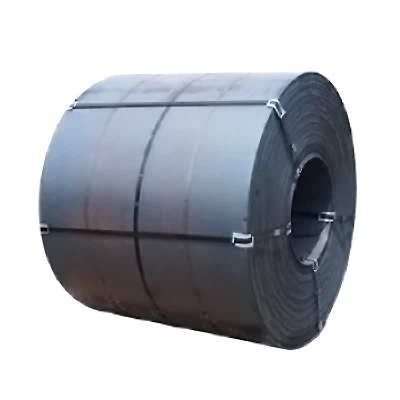
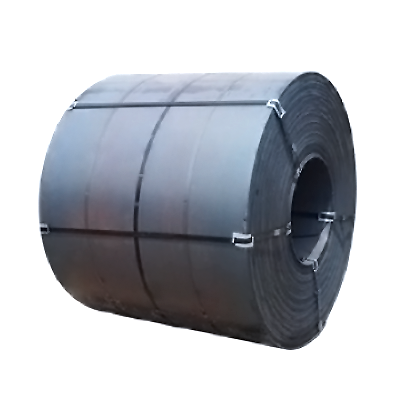
P335GH is another material used in pressure vessel applications. It has its own set of code requirements and material properties. However, ASTM A537 may be a more suitable choice in certain building construction scenarios where higher strength - to - weight ratios and better cold - weather performance are required.
Conclusion
Using ASTM A537 in building construction requires strict adherence to a series of code requirements. From design codes and material requirements to fabrication, welding, and inspection procedures, every step must be carefully managed to ensure the safety and performance of the structure. As a supplier of ASTM A537, I have the expertise and resources to provide high - quality materials that meet all the necessary code requirements.
If you are involved in a building construction project and considering using ASTM A537, I encourage you to contact me for more information and to discuss your specific needs. I can assist you in selecting the right class of ASTM A537, provide technical support throughout the project, and ensure that the materials you receive are of the highest quality. Let's work together to achieve a successful and safe building construction project.
References
- American Institute of Steel Construction (AISC), Steel Construction Manual.
- American Society of Mechanical Engineers (ASME), Boiler and Pressure Vessel Code (BPVC).
- ASTM International, ASTM A537 Standard Specification for Pressure Vessel Plates, Heat - Treated, Carbon - Manganese - Silicon Steel.