Hey there! I'm a supplier of low alloy steel plates, and today I wanna chat about how low alloy steel plates stack up against titanium alloy plates when it comes to weight. This is a pretty important topic, especially for those in industries where weight can make a huge difference, like aerospace, automotive, and construction.
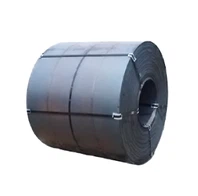
First off, let's talk a bit about what low alloy steel plates are. Low alloy steel is basically steel that has small amounts of other elements added to it, like manganese, silicon, and sometimes even copper or nickel. These elements are added to enhance certain properties of the steel, like strength, toughness, and corrosion resistance. We offer a variety of low alloy steel plates, such as SM520B and S355NL, which are widely used in different applications.
On the other hand, titanium alloy is a metal that's known for its high strength-to-weight ratio. It's made by combining titanium with other elements, like aluminum, vanadium, or iron. Titanium alloy is often used in high - performance applications where weight savings are crucial, like aircraft frames and high - end sports equipment.
Now, when it comes to weight, density is the key factor. The density of low alloy steel typically ranges from about 7.75 to 7.85 grams per cubic centimeter. This density can vary a bit depending on the specific alloying elements and their proportions. For example, if a low alloy steel has a higher percentage of heavier elements, its density might be on the higher end of that range.

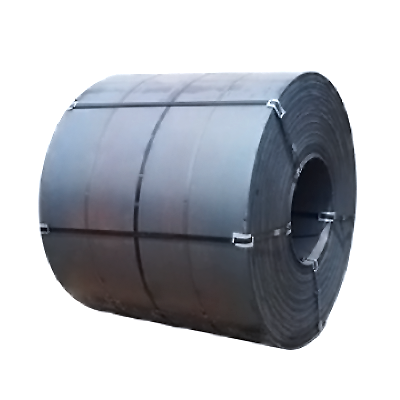
Titanium alloy, on the other hand, has a much lower density. The density of titanium alloy usually falls between 4.4 and 4.5 grams per cubic centimeter. That's a significant difference! To put it into perspective, if you have two plates of the same size (same volume), the low alloy steel plate will weigh almost twice as much as the titanium alloy plate.
Let's say we're looking at a plate that's 1 cubic meter in volume. A low alloy steel plate with a density of 7.8 grams per cubic centimeter (or 7800 kg/m³) would weigh 7800 kilograms. In contrast, a titanium alloy plate with a density of 4.4 grams per cubic centimeter (or 4400 kg/m³) would weigh only 4400 kilograms. That's a weight difference of 3400 kilograms!
But weight isn't the only thing that matters. Cost is also a major consideration. Titanium alloy is generally much more expensive than low alloy steel. The production process of titanium alloy is complex and energy - intensive, which drives up the cost. Low alloy steel, on the other hand, is more widely available and easier to produce, making it a more cost - effective option for many applications.
In terms of strength, low alloy steel can offer very high strength levels. Our High Strength Plate products are designed to meet the demanding requirements of various industries. While titanium alloy has a high strength - to - weight ratio, low alloy steel can be engineered to have similar strength properties in many cases, especially when it comes to applications where weight isn't the most critical factor.
For example, in construction, weight might not be as big of an issue as cost and durability. Low alloy steel plates are often used in building structures because they can provide the necessary strength at a reasonable cost. The weight of the steel plates can be easily accommodated by the overall design of the building.
In the automotive industry, though, weight is becoming increasingly important as manufacturers strive to improve fuel efficiency. However, the high cost of titanium alloy limits its widespread use. Instead, low alloy steel is still widely used, and manufacturers are constantly looking for ways to optimize the design and use of low alloy steel to reduce weight without sacrificing strength.
Another aspect to consider is the ease of fabrication. Low alloy steel is relatively easy to cut, weld, and form. There are well - established manufacturing processes for working with low alloy steel, which means that it can be quickly and efficiently turned into the desired products. Titanium alloy, on the other hand, is more difficult to fabricate. It requires special equipment and techniques, which can add to the overall cost and time of production.
So, in summary, when comparing low alloy steel plates and titanium alloy plates in terms of weight, titanium alloy clearly has the advantage with its lower density. But low alloy steel offers other benefits, such as lower cost, ease of fabrication, and high strength. The choice between the two depends on the specific requirements of the application.
If you're in an industry where weight savings are absolutely crucial and cost is less of a concern, titanium alloy might be the way to go. But for most general applications, low alloy steel is a more practical choice.
If you're interested in learning more about our low alloy steel plates or have any questions about which type of plate would be best for your project, don't hesitate to reach out. We're here to help you make the right choice for your needs. Whether it's for a small - scale project or a large - scale industrial application, we can provide you with the high - quality low alloy steel plates you need.
References
- "Metallurgy: Principles and Applications" by Robert W. Smallman and Richard J. Bishop
- "Materials Science and Engineering: An Introduction" by William D. Callister Jr. and David G. Rethwisch