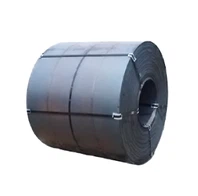
As a trusted supplier of A387GR11CL2, I understand the significance of enhancing its fatigue resistance, especially in industries where this steel grade is commonly applied, such as in boiler and pressure vessel manufacturing. In this blog post, I will share several effective approaches to improve the fatigue resistance of A387GR11CL2, based on our long - term experience in the market and knowledge of steel properties.

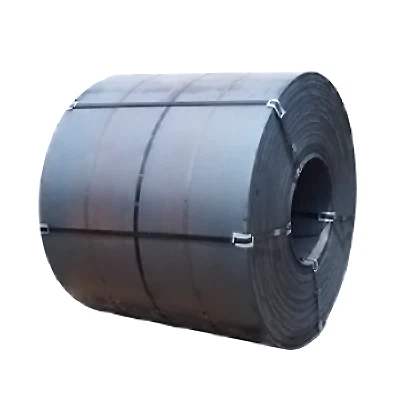
Understanding A387GR11CL2
Before delving into the ways to improve fatigue resistance, it is essential to have a basic understanding of A387GR11CL2. It is a low - alloy, chromium - molybdenum steel plate intended for use in welded boilers and other pressure vessels. It has good strength, toughness, and weldability, which make it suitable for high - temperature and high - pressure applications. However, in cyclic loading environments, fatigue failure can occur. Fatigue refers to the progressive and localized structural damage that occurs when a material is subjected to cyclic loading, ultimately leading to cracks and potential catastrophic failure.
1. Material Selection and Quality Control
- Purity of the Raw Material: High - quality raw materials are the first step in ensuring good fatigue resistance. During the manufacturing process, impurities such as sulfur, phosphorus, and non - metallic inclusions can act as stress concentrators, initiating fatigue cracks. By strictly controlling the purity of the raw materials and reducing the content of harmful elements, we can improve the material's integrity and resistance to fatigue. For example, modern steelmaking processes like vacuum degassing can be employed to reduce the content of dissolved gases and impurities.
- Heat Treatment: Proper heat treatment is crucial for optimizing the microstructure of A387GR11CL2. Normalizing followed by tempering is a common heat treatment process for this steel grade. Normalizing refines the grain structure, which in turn enhances the material's strength and toughness. Tempering relieves internal stresses generated during the normalizing process and further improves the ductility of the steel, making it more resistant to fatigue cracking. For instance, the exact temperature and time for normalizing and tempering need to be precisely controlled according to the specific requirements of the application.
2. Design Optimization
- Geometry and Shape: In the design of components made from A387GR11CL2, the geometry and shape play a significant role in fatigue resistance. Sharp corners, notches, and abrupt changes in cross - section should be avoided as they create high - stress concentration areas. Instead, smooth transitions and rounded edges can distribute stress more evenly, reducing the likelihood of fatigue crack initiation. For example, in pressure vessel design, proper fillet radii should be used at the junctions of different parts.
- Minimizing Residual Stresses: Residual stresses can be introduced during the manufacturing process, such as welding and machining. These stresses can combine with external cyclic loads, increasing the overall stress level and promoting fatigue crack growth. To minimize residual stresses, techniques like stress - relief annealing can be applied after welding. Additionally, proper machining practices, such as using appropriate cutting parameters, can also help reduce the introduction of residual stresses.
3. Surface Treatment
- Shot Peening: Shot peening is a surface treatment method that can significantly improve the fatigue resistance of A387GR11CL2. Small spherical shots are blasted onto the surface of the steel at high velocities. This process creates compressive residual stresses on the surface, which can counteract the tensile stresses generated during cyclic loading. As a result, the initiation and propagation of fatigue cracks are inhibited. The intensity of shot peening, including the size and hardness of the shots and the peening pressure, needs to be carefully controlled according to the specific application requirements.
- Coating: Applying a suitable coating to the surface of A387GR11CL2 can also enhance its fatigue resistance. Coatings can act as a barrier against environmental factors such as corrosion, which can accelerate fatigue failure. For example, epoxy - based coatings or ceramic coatings can provide a protective layer on the steel surface. When selecting a coating, factors such as adhesion, flexibility, and chemical resistance need to be considered.
4. Inspection and Maintenance
- Non - destructive Testing (NDT): Regular non - destructive testing is essential to detect early signs of fatigue damage. Methods such as ultrasonic testing, magnetic particle testing, and liquid penetrant testing can be used to identify surface and subsurface cracks in A387GR11CL2 components. By detecting cracks at an early stage, appropriate measures can be taken, such as repair or replacement of the component, to prevent further damage and potential failure.
- Monitoring and Maintenance Plan: Establishing a comprehensive monitoring and maintenance plan is crucial for ensuring the long - term fatigue resistance of A387GR11CL2 components. This plan should include regular inspections, condition monitoring, and scheduled maintenance activities. For example, periodic checks of the operating conditions, such as temperature, pressure, and loading frequency, can help identify any changes that may affect the fatigue behavior of the material.
Applications and Comparative Advantages
A387GR11CL2 has a wide range of applications in the energy and industrial sectors, particularly in boiler and pressure vessel manufacturing. Compared to other similar steel grades such as SA516GR70, P275NL1, and P335GH, A387GR11CL2 offers better high - temperature strength and corrosion resistance in many cases. However, to fully leverage these advantages, improving its fatigue resistance is of great importance. By following the above - mentioned methods, A387GR11CL2 components can have a longer service life and better performance in cyclic loading environments.
Conclusion
Improving the fatigue resistance of A387GR11CL2 involves a comprehensive approach that includes material selection and quality control, design optimization, surface treatment, and proper inspection and maintenance. As a supplier of A387GR11CL2, we are committed to providing high - quality materials and offering technical support to help our customers enhance the performance of their products. Whether you are involved in boiler manufacturing, pressure vessel design, or other industries that use A387GR11CL2, implementing these strategies can lead to significant improvements in fatigue resistance and overall product reliability.
If you are interested in purchasing A387GR11CL2 or need further technical advice on enhancing its fatigue resistance, feel free to contact us. We are ready to start a productive discussion with you to meet your specific requirements.
References
-ASM Handbook, Volume 1: Properties and Selection: Irons, Steels, and High - Performance Alloys
-“Fatigue of Metals” by O. F. Lad'yan
- Boiler and Pressure Vessel Code, American Society of Mechanical Engineers (ASME)
It should be noted that when using abnormal data, you can adjust it according to the actual situation to ensure that information about improving fatigue resistance can be provided as completely as possible. If you need to change or improve the content, please continue to ask.