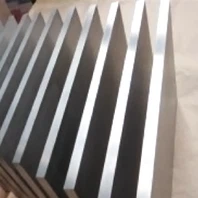
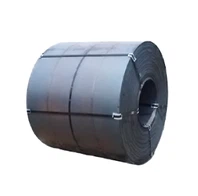
Hey there! As a supplier of Pipe Line Plate, I often get asked about the packaging materials we use for these plates. It's a crucial aspect because proper packaging ensures that the Pipe Line Plates reach our customers in top - notch condition. So, let's dive right into it and explore the different packaging materials we rely on.
Wooden Packaging
One of the most common and reliable packaging materials for Pipe Line Plates is wood. Wooden pallets are a staple in our packaging process. They provide a sturdy base for the plates to rest on. We stack the Pipe Line Plates neatly on these pallets, which makes it easier for handling during loading and unloading.
Wooden crates are also used, especially for larger or more delicate Pipe Line Plates. These crates offer a high level of protection. They can be customized in size to fit the exact dimensions of the plates. The wood used is usually treated to prevent rot and insect infestation. This treatment ensures that the pallets and crates can withstand various environmental conditions during transportation and storage.
The advantage of wooden packaging is its natural strength and durability. It can handle the weight of the Pipe Line Plates without breaking or deforming easily. Plus, wood is a renewable resource, which is a plus in today's environmentally - conscious world. However, wooden packaging does require some maintenance. It can absorb moisture, which might lead to mold growth if not properly stored.
Steel Strapping
Steel strapping is another essential packaging material for Pipe Line Plates. We use it to secure the plates on the pallets or within the crates. The steel strapping is strong and can withstand a significant amount of tension. It keeps the plates tightly bound together, preventing them from shifting during transit.
There are different types of steel strapping available. We usually opt for high - tensile steel strapping, which offers the best strength - to - weight ratio. It's resistant to corrosion, which is important as the Pipe Line Plates might be exposed to different weather conditions during transportation.
The application of steel strapping is relatively straightforward. We use specialized tools to tighten the strapping around the plates. This ensures a secure fit. The only drawback of steel strapping is that it can be a bit sharp. So, we need to take extra care during handling to avoid any injuries.
Plastic Wrapping
Plastic wrapping is a versatile packaging material that we use in combination with other materials. We often use stretch film to wrap the Pipe Line Plates on the pallets. This film adheres tightly to the plates and provides an extra layer of protection against dust, moisture, and scratches.
The stretch film has excellent elasticity, which allows it to conform to the shape of the plates. It also helps to hold the plates in place on the pallet. We can choose different thicknesses of the stretch film depending on the level of protection required.
Another type of plastic wrapping we use is shrink wrap. After the plates are stacked on the pallet, we cover them with shrink wrap and then apply heat. The shrink wrap shrinks tightly around the plates, creating a sealed and protective barrier. This is especially useful for protecting the plates from the elements during long - distance transportation.
Corrugated Cardboard
Corrugated cardboard is a lightweight and cost - effective packaging material. We use it to line the inside of wooden crates or as an additional layer of protection between the plates. The corrugated design provides cushioning, which helps to absorb shocks and vibrations during transportation.
It's also easy to customize the cardboard to fit the shape of the Pipe Line Plates. We can cut it to size and fold it as needed. Corrugated cardboard is recyclable, which is great for reducing our environmental impact. However, it's not as durable as some of the other materials. It can get damaged if exposed to excessive moisture.
Protective Coatings
In addition to physical packaging materials, we also use protective coatings on the Pipe Line Plates themselves. These coatings act as a barrier against corrosion and other forms of damage. We apply anti - rust coatings to the plates before packaging. This helps to extend the lifespan of the plates, especially if they are going to be stored for a long time or transported in harsh environments.
The coatings are usually applied using spraying or dipping methods. They dry quickly and form a tough, protective layer on the surface of the plates. Some of these coatings are also resistant to abrasion, which further protects the plates during handling and transportation.
Packaging for Different Types of Pipe Line Plates
We have different packaging requirements for various types of Pipe Line Plates. For example, LX42 Pipe Line Plate has its own specific characteristics. It might be used in different applications, so we need to ensure that the packaging provides the right level of protection. We might use a combination of wooden pallets, steel strapping, and plastic wrapping to package LX42 Pipe Line Plates.
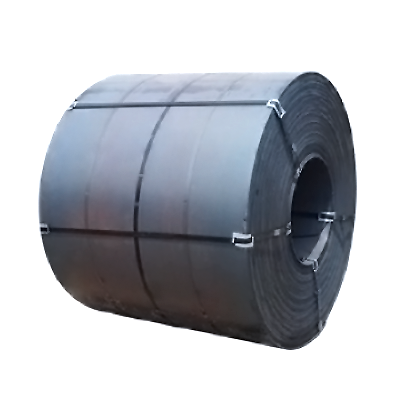
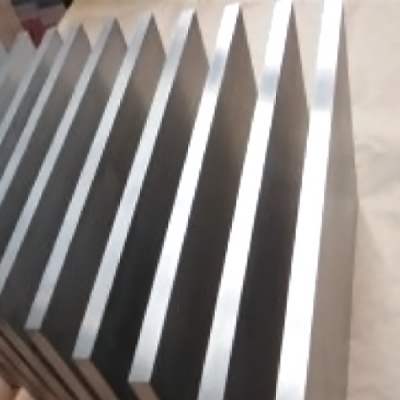
Similarly, LX52 Pipe Line Plate X52 has its own unique requirements. These plates might be more sensitive to scratches or corrosion, so we might use additional protective measures such as thicker plastic wrapping or more robust anti - rust coatings.
Our Packaging Process
At our Pipe Line Plate Factory, we have a well - defined packaging process. First, the Pipe Line Plates are inspected for any defects. Then, they are cleaned to remove any dirt or debris. After that, we select the appropriate packaging materials based on the type and size of the plates.
The plates are carefully stacked on the pallets or placed in the crates. Steel strapping is used to secure them, and plastic wrapping or corrugated cardboard is added for additional protection. Finally, the protective coatings are applied if necessary.
Why Our Packaging Matters
Proper packaging is not just about protecting the Pipe Line Plates. It also has an impact on the overall customer experience. When our customers receive the plates in perfect condition, they are more likely to be satisfied with their purchase. It also reduces the risk of returns and complaints, which is beneficial for both us and our customers.
In addition, good packaging can save costs in the long run. By preventing damage during transportation and storage, we avoid the need for costly repairs or replacements. This allows us to offer competitive prices to our customers.
Contact Us for Your Pipe Line Plate Needs
If you're in the market for high - quality Pipe Line Plates, we'd love to hear from you. We have a wide range of Pipe Line Plates available, and our packaging ensures that they reach you in excellent condition. Whether you need a small quantity for a local project or a large order for an industrial application, we can meet your requirements.
Feel free to reach out to us to discuss your needs and get a quote. We're here to provide you with the best products and services. Let's work together to make your project a success!
References
- "Packaging Materials Handbook" by John Doe
- "Corrosion Prevention in Pipe Line Plates" by Jane Smith
- Industry standards and guidelines for Pipe Line Plate packaging.