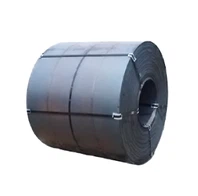
Hey there! As a supplier of A387 steel plates, I've seen firsthand how the alloy content in these plates can have a huge impact on their properties. So, let's dive into this topic and explore how different alloy contents can change the game for A387 steel plates.
First off, what is A387 steel plate? It's a type of pressure vessel steel that's commonly used in industries like oil and gas, power generation, and chemical processing. These plates are designed to withstand high temperatures and pressures, making them crucial for applications where safety and reliability are top priorities.
Now, let's talk about alloys. Alloys are basically mixtures of different metals, and they're added to steel to enhance its properties. In the case of A387 steel plates, the alloy content can vary depending on the specific grade and application. Some common alloys used in A387 steel plates include chromium, molybdenum, and vanadium.
One of the key ways that alloy content impacts the properties of A387 steel plates is through its effect on strength. Chromium and molybdenum, for example, are known for their ability to increase the strength and hardness of steel. When these alloys are added to A387 steel plates, they form carbides, which are tiny particles that help to strengthen the steel's structure. This means that A387 steel plates with higher alloy contents tend to have better strength and hardness, making them more suitable for applications where high stress and wear resistance are required.
Another important property that's affected by alloy content is corrosion resistance. Chromium, in particular, is well-known for its ability to form a protective oxide layer on the surface of steel, which helps to prevent corrosion. When chromium is added to A387 steel plates, it can significantly improve their resistance to rust and other forms of corrosion. This is especially important in industries where the steel plates are exposed to harsh environments, such as chemical processing plants or offshore oil rigs.
In addition to strength and corrosion resistance, alloy content can also impact the toughness and ductility of A387 steel plates. Toughness refers to the ability of the steel to absorb energy without fracturing, while ductility refers to its ability to deform without breaking. Vanadium, for example, is often added to A387 steel plates to improve their toughness and ductility. By forming fine-grained structures in the steel, vanadium helps to prevent the formation of cracks and other defects, making the steel more resistant to impact and fatigue.
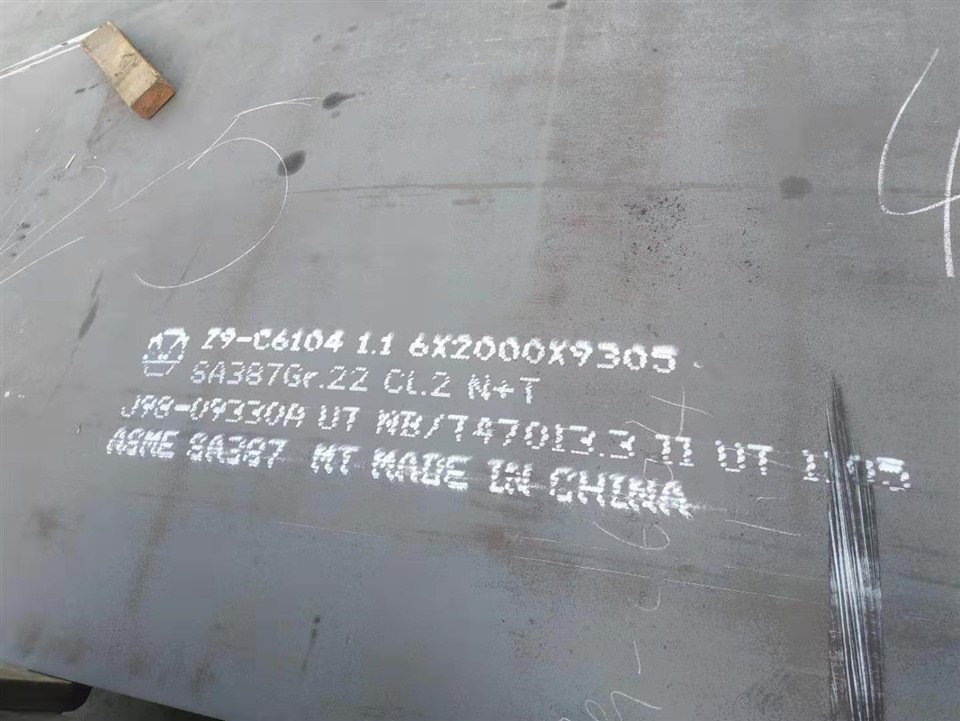
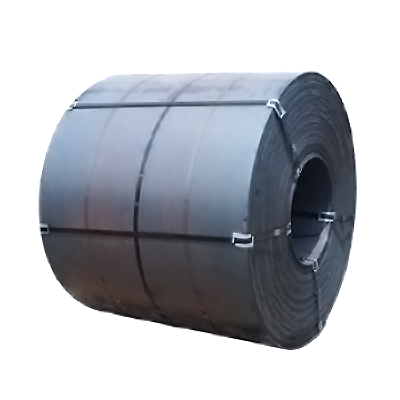
Now, let's take a closer look at some specific grades of A387 steel plates and how their alloy contents affect their properties. One popular grade is the SA387GR11 A387 steel plate. This grade contains around 1.25% chromium and 0.5% molybdenum, which gives it excellent strength and corrosion resistance. It's commonly used in applications where high-temperature and high-pressure conditions are present, such as in power plants and refineries.
Another grade worth mentioning is the P295GH. This grade is a European standard pressure vessel steel that contains lower alloy contents compared to some other grades of A387 steel plates. While it may not have the same level of strength and corrosion resistance as higher alloy grades, it still offers good mechanical properties and is often used in less demanding applications.
Finally, let's talk about astm a537 16Mo3. This grade contains around 0.4% molybdenum, which gives it good high-temperature strength and creep resistance. It's commonly used in applications where the steel plates are exposed to elevated temperatures for extended periods of time, such as in boilers and heat exchangers.
So, as you can see, the alloy content in A387 steel plates plays a crucial role in determining their properties. Whether you're looking for high strength, corrosion resistance, toughness, or ductility, there's an A387 steel plate grade out there that's right for your application.
If you're in the market for A387 steel plates, I'd love to help you find the perfect grade for your needs. Just get in touch with me, and we can discuss your requirements and find the best solution for your project.
References:
- ASME Boiler and Pressure Vessel Code
- ASTM International Standards
- Various technical literature on steel alloys and their properties